
Regular health checks are crucial for early detection of potential issues in your dog. This comprehensive 2026 guide will teach you how to perform thorough at-home examinations, recognize warning signs, and understand when veterinary intervention is necessary. By mastering these techniques, you can become your dog's first line of defense against health problems.
According to the American Veterinary Medical Association, dogs age approximately 5-7 years for every human year, making regular health monitoring essential for catching age-related issues early. Our guide combines traditional veterinary wisdom with the latest 2026 health monitoring technologies and protocols.
Table of Contents
- Why Regular Health Checks Matter
- Weekly Health Check Checklist
- Body Systems Examination Guide
- Symptom Checker: When to Worry
- Age-Specific Health Monitoring
- At-Home Health Check Tools
- Preparing for Veterinary Visits
- Emergency Signs Requiring Immediate Care
- Monthly Health Check Calendar
- Frequently Asked Questions

Why Regular Health Checks Matter
Dogs are masters at hiding pain and discomfort a survival instinct from their wild ancestors. This means health problems often progress significantly before showing obvious symptoms. Regular health checks allow you to detect issues early when they're most treatable and least expensive to manage.
Early Detection
Catch conditions like dental disease, ear infections, skin issues, and joint problems before they become severe or chronic. Early detection can add years to your dog's life.
Cost Savings
Preventive care is significantly cheaper than treating advanced conditions. Regular checks can save thousands in veterinary bills over your dog's lifetime.
Bond Strengthening
Regular handling helps your dog become comfortable with being examined, reducing stress during veterinary visits and strengthening your bond.
Baseline Establishment
Learn what's normal for YOUR dog. Knowing their normal temperature, heart rate, and gum color helps you recognize abnormalities quickly.
Pro Tip: Create a Health Journal
Start a health journal for your dog. Record weekly check results, weight, appetite, energy levels, and any unusual observations. This creates a valuable baseline and helps you track changes over time. Digital options like pet health apps can also help track this information conveniently.
Weekly Health Check Checklist
This comprehensive weekly check should take 15-20 minutes once your dog is comfortable with the process. Always use positive reinforcement with treats and praise. For nervous dogs, break it into shorter sessions over several days.
Observe General Condition
- Energy level: Normal for your dog? Any lethargy or hyperactivity?
- Appetite and thirst: Normal eating and drinking patterns?
- Weight: Use a scale weekly. Sudden weight loss/gain requires veterinary attention.
- Posture and movement: Any limping, stiffness, or difficulty standing?
- Coat and skin: Shiny or dull? Any bald patches, redness, or flakes?
Detailed Facial Check
- Eyes: Clear, bright, no discharge or redness. Pupils equal size.
- Nose: Clean, moist (but not runny). No crusting or bleeding.
- Ears: Clean, pink, no odor or discharge. Gently lift flaps to check inner ear.
- Mouth: Pink gums (not red, pale, or blue). Clean teeth, no bad breath.
- Lymph nodes: Gently feel under jaw should be pea-sized, not enlarged.
Full Body Palpation
- Coat and skin: Part hair to check skin. Look for parasites, lumps, hot spots.
- Abdomen: Gently press should be soft, not painful or distended.
- Limbs and paws: Check between toes for debris, cracked pads, nail length.
- Joints: Gently move each joint through full range of motion.
- Spine and tail: Run hands along spine checking for sensitivity.
Measure Key Metrics
- Temperature: Normal is 101-102.5°F (38.3-39.2°C). Use rectal thermometer.
- Heart rate: Normal: 60-140 bpm (small dogs faster). Feel chest behind elbow.
- Respiratory rate: Normal: 10-30 breaths/minute at rest.
- Capillary refill time: Press gum, color should return in 1-2 seconds.
- Hydration: Skin on neck should snap back quickly when pinched.
Complete Dog Health Check Kit
Essential Tool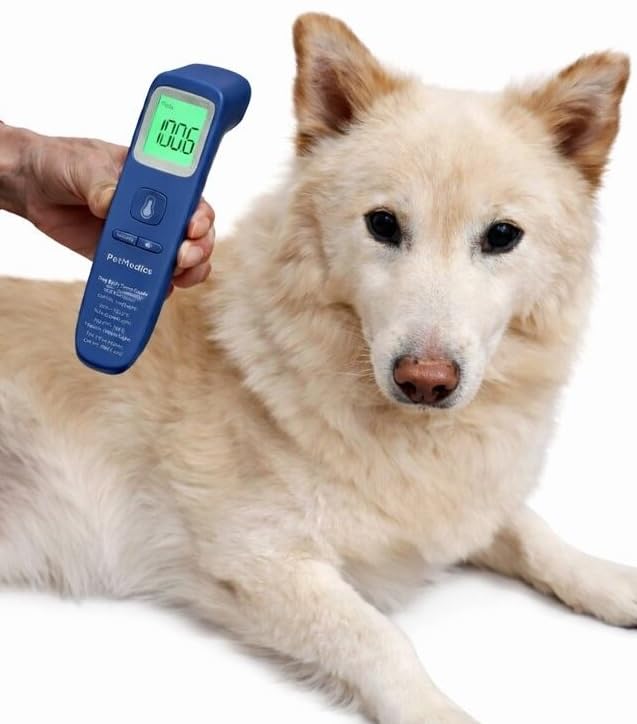
PetMedics Pet Temperature Thermometer Kit
Complete at-home health monitoring kit includes digital pet thermometer, stethoscope, nail clippers, and health journal. FDA-approved for accurate temperature readings. According to veterinary guidelines, regular temperature monitoring can help detect infections before they become serious.
Check Amazon PriceBody Systems Examination Guide
Understanding how to check each body system helps you identify specific problems. Here's what to look for in each major system:
Dental System
Check: Teeth color (should be white), gum color (pink), bad breath, tartar buildup, loose teeth.
Warning signs: Red/swollen gums, bleeding, difficulty eating, dropping food.
Prevention: Daily brushing, dental chews, professional cleanings as needed.
Auditory System
Check: Ear odor, discharge, redness, swelling, head shaking, scratching.
Warning signs: Foul odor, dark discharge, pain when touched, head tilt.
Prevention: Regular cleaning with vet-approved solution, keeping ears dry.
Ocular System
Check: Eye clarity, discharge, redness, squinting, cloudiness, vision changes.
Warning signs: Cloudy appearance, excessive tearing, rubbing eyes, bumping into objects.
Prevention: Regular cleaning, protecting from irritants, annual vet checks.
Respiratory System
Check: Breathing rate/effort, coughing, sneezing, nasal discharge, exercise tolerance.
Warning signs: Labored breathing, blue gums, persistent cough, exercise intolerance.
Prevention: Maintain healthy weight, avoid irritants, regular exercise.
Cardiovascular System
Check: Heart rate/rhythm, gum color, coughing, exercise tolerance, fainting.
Warning signs: Irregular pulse, pale/blue gums, weakness, persistent cough.
Prevention: Heartworm prevention, healthy diet, regular exercise.
Neurological System
Check: Balance, coordination, mental alertness, seizures, behavior changes.
Warning signs: Circling, head tilt, seizures, disorientation, paralysis.
Prevention: Prevent head trauma, control underlying conditions.

Symptom Checker: When to Worry
Not all symptoms require immediate veterinary attention. Use this guide to assess urgency:
| Symptom | Possible Causes | Urgency Level | Action Required |
|---|---|---|---|
| Difficulty Breathing | Heart failure, pneumonia, allergic reaction, obstruction | CRITICAL | Emergency vet immediately |
| Collapse/Unconsciousness | Shock, poisoning, heart attack, severe injury | CRITICAL | Emergency vet immediately |
| Vomiting/Diarrhea (persistent) | GI obstruction, infection, pancreatitis, poisoning | HIGH | Vet within 24 hours |
| Not Eating for 24+ Hours | Dental disease, systemic illness, pain, obstruction | HIGH | Vet within 24 hours |
| Limping/Lameness | Sprain, arthritis, fracture, ligament tear | MEDIUM | Vet within 2-3 days |
| Skin Lumps/Bumps | Cysts, lipomas, abscesses, tumors | MEDIUM | Vet within 1 week |
| Mild Cough (occasional) | Kennel cough, allergies, mild irritation | LOW | Monitor, vet if worsens |
| Occasional Itching | Dry skin, mild allergies, seasonal changes | LOW | Monitor, improve skin care |
Emergency Red Flags
These symptoms ALWAYS require immediate veterinary attention:
- Difficulty breathing or blue gums/tongue
- Collapse or inability to stand
- Seizures lasting more than 2-3 minutes
- Profuse bleeding that doesn't stop with pressure
- Signs of severe pain (whining, trembling, aggression when touched)
- Suspected poisoning (rodenticide, chocolate, medications)
- Heat stroke symptoms (excessive panting, drooling, weakness)
Always keep your veterinarian's emergency number and the nearest animal emergency clinic information readily accessible. Consider assembling a pet first aid kit for emergencies.
Age-Specific Health Monitoring
Health Checks by Life Stage
Different life stages require different monitoring priorities. Adjust your health checks based on your dog's age:
- Weekly: Growth rate, weight gain
- Monthly: Vaccination schedule tracking
- Focus: Development milestones, socialization progress
- Watch for: Congenital defects, parasites, proper nutrition
- Vet visits: Every 3-4 weeks for vaccinations
- Weekly: Weight, dental health, skin/coat
- Monthly: Complete body examination
- Focus: Preventative care, early disease detection
- Watch for: Weight gain, dental disease, allergies
- Vet visits: Annual wellness exams
- Daily: Mobility, appetite, behavior changes
- Weekly: Complete health check with vital signs
- Focus: Age-related conditions, quality of life
- Watch for: Arthritis, vision/hearing loss, cognitive decline
- Vet visits: Every 6 months for senior panels
- Daily: All vital functions, pain assessment
- Twice weekly: Complete physical examination
- Focus: Comfort, pain management, hospice care
- Watch for: Organ failure, severe arthritis, cancer
- Vet visits: Quarterly or as needed for comfort
Senior Dog Joint Support
Vet Recommended
Cosequin Maximum Strength Joint Supplement
Veterinarian-recommended joint health supplement with glucosamine, chondroitin, and MSM. Supports cartilage, joint fluid, and overall mobility in aging dogs. According to the American Kennel Club, 20% of dogs over 1 year old show signs of osteoarthritis, making joint health monitoring essential.
Check Amazon PriceAt-Home Health Check Tools
Essential Health Monitoring Equipment
These tools will help you perform comprehensive at-home health checks:
Digital Thermometer
Pet-specific rectal thermometer for accurate temperature readings.
Pet Stethoscope
Basic stethoscope for listening to heart and lung sounds.
Weight Scale
Accurate scale for tracking weight changes (baby scales work well).
Flashlight/Penlight
For examining eyes, ears, and mouth thoroughly.
Magnifying Glass
Helpful for examining skin, checking for parasites, small wounds.
Health Journal/App
For recording observations, tracking trends, and sharing with your vet.
Digital Health Monitoring
Consider using pet health monitoring apps that sync with smart collars or wearable devices. These can track activity levels, sleep patterns, and even vital signs. Some advanced systems can alert you to changes that might indicate health issues. Research from the Tufts University Veterinary Medical Center shows that digital monitoring can detect health changes up to 2 weeks before clinical symptoms appear.
Preparing for Veterinary Visits
Maximize the value of veterinary visits by being prepared. Your observations at home are crucial information for your veterinarian.
Before the Visit
- Note any symptoms, when they started, and frequency
- Bring your health journal with recent observations
- Prepare questions in advance (write them down)
- Bring recent stool sample if requested
- Note any medications/supplements with dosages
During the Visit
- Share your observations clearly and completely
- Ask for clarification if you don't understand something
- Take notes on diagnosis and treatment plans
- Ask about prognosis and what to expect
- Request written instructions for medications/treatments
After the Visit
- Follow all treatment instructions precisely
- Schedule any recommended follow-up visits
- Monitor your dog's response to treatment
- Contact your vet if symptoms worsen or don't improve
- Update your health journal with new information

Monthly Health Check Calendar
30-Day Health Monitoring Schedule
Use this calendar as a guide for regular health monitoring throughout the month:
Calendar Implementation Tips
Print this calendar or create a digital version. Check off each day as you complete the recommended check. Adjust based on your dog's specific needs and your veterinarian's recommendations. Consistency is key regular monitoring helps establish what's normal for your dog.
Emergency Signs Requiring Immediate Care
When to Skip Monitoring and Go Directly to Emergency Care
While regular health checks are important, some situations require immediate veterinary attention without waiting. Memorize these emergency signs:
Breathing Emergencies
- Gasping for air or open-mouth breathing at rest
- Blue or purple gums/tongue
- Choking sounds with pawing at mouth
- Wheezing or high-pitched breathing sounds
Neurological Emergencies
- Seizures lasting more than 3 minutes
- Sudden paralysis or inability to stand
- Severe disorientation or coma
- Head trauma with loss of consciousness
Trauma & Bleeding
- Profuse bleeding that doesn't stop with pressure
- Deep wounds exposing bone or organs
- Broken bones with obvious deformity
- Burns covering large areas of the body
Toxic Exposure
- Known ingestion of toxic substances
- Rodenticide or insecticide exposure
- Chocolate, xylitol, or grape ingestion
- Human medication ingestion
Important: If you suspect an emergency, call your veterinarian or emergency clinic while en route. They can provide guidance on immediate first aid and prepare for your arrival.
Emergency Preparedness
Keep emergency numbers readily available: your regular veterinarian, nearest 24-hour emergency clinic, and animal poison control (888-426-4435). Have a pet first aid kit prepared and know basic pet CPR. Practice loading your dog into the car quickly. These preparations can save critical minutes in an emergency. For comprehensive emergency planning, see our complete pet emergency preparedness guide.
Dog Health Check FAQs
How often should I perform a complete health check on my dog?
Perform a complete health check weekly for adult dogs. Puppies and senior dogs benefit from more frequent checks puppies every few days to track development, and seniors 2-3 times weekly to catch age-related issues early. Daily quick checks (appetite, energy, elimination) are recommended for all dogs. Always adjust frequency based on your dog's health status and your veterinarian's recommendations.
What's the best way to take my dog's temperature at home?
Use a digital rectal thermometer designed for pets. Lubricate with petroleum jelly, gently insert about 1 inch into the rectum, and hold until it beeps. Normal temperature is 101-102.5°F (38.3-39.2°C). Ear thermometers are less accurate for dogs. Always clean the thermometer after use. If your dog resists, try taking temperature after exercise when they're tired, or ask your vet to demonstrate the technique.
How can I tell if my dog is in pain if they're not vocalizing?
Dogs often hide pain. Watch for subtle signs: changes in posture (hunched back), reluctance to move or jump, decreased appetite, panting when not hot or exercised, restlessness or difficulty settling, excessive licking a specific area, unusual aggression or withdrawal, and changes in sleeping patterns. Senior dogs may show cognitive changes instead of obvious pain signals.
What should I include in my dog's health journal?
Your health journal should include: Weekly weight, appetite and water consumption notes, energy level ratings, stool quality, urination frequency, skin/coat condition, any observed lumps/bumps, behavior changes, medication/supplement logs, veterinary visit summaries, and test results. Digital apps can help track trends and share information with your veterinarian easily.
Are there breed-specific health checks I should know about?
Yes, many breeds have specific health concerns: Brachycephalic breeds (pugs, bulldogs) need regular respiratory checks; large breeds require joint and hip monitoring; deep-chested breeds need vigilance for bloat signs; breeds prone to eye issues (Cocker Spaniels, Shih Tzus) need regular eye exams; floppy-eared breeds require diligent ear care. Research your breed's specific risks and adjust your health checks accordingly.
How accurate are at-home health checks compared to veterinary exams?
At-home checks are excellent for monitoring trends and catching early changes, but they don't replace professional veterinary care. Vets have equipment for diagnostics (x-rays, blood tests), training to detect subtle abnormalities, and experience with disease patterns. Think of at-home checks as supplemental monitoring between veterinary visits. Always consult your vet about concerning findings from home checks.
What vaccinations and preventive care should be part of regular health maintenance?
Core vaccines (rabies, distemper, parvovirus, adenovirus) plus non-core based on lifestyle and location. Regular parasite prevention (fleas, ticks, heartworm), dental cleanings as needed, annual blood work for adults, biannual senior panels, and regular wellness exams. Discuss with your vet to create a personalized preventive care plan based on your dog's age, breed, and lifestyle.
How can I make health checks less stressful for my dog?
Use positive reinforcement with high-value treats. Start with brief sessions, gradually increasing duration. Pair examinations with pleasant experiences (petting, praise). Make it part of regular grooming routine. Use calming pheromone sprays if needed. For sensitive areas, desensitize slowly over multiple sessions. Stop if your dog shows significant stress consult a professional trainer if needed. The goal is cooperative care, not forced restraint.
Final Health Check Wisdom
Regular health checks are one of the most important things you can do for your dog's wellbeing. They help you catch problems early, reduce veterinary costs through prevention, and strengthen your bond with your canine companion. Remember that you know your dog best trust your instincts if something seems wrong, even if you can't pinpoint exactly what. When in doubt, consult your veterinarian. Your diligence in monitoring your dog's health can add years to their life and life to their years.