
Your dog's health is the foundation of their happiness, longevity, and quality of life. As veterinary medicine advances in 2026, understanding comprehensive dog health care has never been more important or more achievable. This complete guide covers everything from preventive care and nutrition to recognizing early warning signs and managing chronic conditions.
Proper dog health management can add years to your canine companion's life while preventing unnecessary suffering and veterinary expenses. Whether you're a new dog owner or looking to optimize your current dog's wellness routine, this 2026 guide provides evidence-based information to help you make informed decisions about your dog's health. For specific breed health concerns, check out our breed-specific health guide.
Table of Contents
- Foundations of Dog Health
- Preventive Care: The Key to Longevity
- Nutrition for Optimal Health
- Exercise & Mental Wellbeing
- Common Health Issues: Prevention & Early Detection
- Senior Dog Health Management
- Emergency Preparedness
- Your 2026 Dog Wellness Plan
- Recommended Health Products
- Frequently Asked Questions

Foundations of Dog Health: The 4 Pillars
Optimal dog health rests on four interconnected pillars. Neglecting any one can compromise the entire system:
1. Nutrition & Hydration
Quality food and clean water form the foundation. Proper nutrition supports immune function, organ health, energy levels, and cellular repair. According to the AAFCO, dogs require specific nutrient balances at different life stages.
2. Exercise & Activity
Regular physical activity maintains healthy weight, strengthens cardiovascular system, supports joint health, and prevents behavioral issues. Exercise needs vary by breed, age, and health status but are essential for all dogs.
3. Preventive Care
Vaccinations, parasite control, and regular checkups prevent diseases before they start. Preventive care is 3-5 times more cost-effective than treating established health problems and significantly extends lifespan.
4. Mental Wellbeing
Mental stimulation and emotional health impact physical health. Stress, anxiety, and boredom can manifest as physical symptoms. Enrichment activities reduce stress hormones and support overall health.
Did You Know?
Regular veterinary checkups can detect health issues up to 2 years before symptoms appear. According to a 2025 study published in the Journal of the American Veterinary Medical Association, dogs receiving annual preventive care lived an average of 1.8 years longer than those receiving only symptomatic care. Early detection of conditions like kidney disease, diabetes, and cancer dramatically improves treatment success rates.
Health Monitoring System
Editor's Choice
FitBark GPS & Activity Tracker
Tracks activity, sleep quality, and calories burned. GPS location tracking with safe zones alerts. Syncs with smartphone app to monitor health trends and share data with your veterinarian. Water-resistant design with 20-day battery life.
Check Amazon PricePreventive Care: The Key to Longevity
Preventive care is the most effective strategy for maintaining dog health and avoiding serious illnesses. Here's what comprehensive prevention looks like in 2026:
2026 Vaccination Schedule & Guidelines
Vaccinations have evolved significantly. The current approach emphasizes core vs. non-core vaccines based on lifestyle and risk assessment rather than automatic annual boosters:
| Vaccine Type | Core/Non-Core | Initial Schedule | 2026 Booster Recommendations | Protection Duration* |
|---|---|---|---|---|
| Rabies | Core (Legal Requirement) | 12-16 weeks, 1 year | Every 3 years (varies by state) | 3+ years |
| DHPP (Distemper) | Core | 6-8, 10-12, 14-16 weeks | Every 3 years after 1-year booster | 3-7 years |
| Leptospirosis | Lifestyle (Water exposure) | 12 weeks, 2-4 weeks later | Annual (short duration immunity) | 1 year |
| Bordetella (Kennel Cough) | Lifestyle (Boarding, classes) | As needed | Every 6-12 months | 6-12 months |
| Lyme Disease | Geographic (Tick areas) | 12 weeks, 2-4 weeks later | Annual | 1 year |
*Based on 2025 AAHA Canine Vaccination Guidelines. Titers testing available to confirm immunity before boosters.
Parasite Prevention: Beyond Fleas & Ticks
Modern parasite control addresses multiple threats with convenient, comprehensive products:
External Parasites
Fleas, ticks, mites, mosquitoes. Monthly topical treatments, oral medications, or collars. New 2026 options include 12-month injectable preventives and breed-specific formulations.
Internal Parasites
Heartworm, roundworms, hookworms, whipworms, tapeworms. Monthly heartworm preventives typically include dewormers. Annual fecal testing essential. New PCR testing detects parasites at lower levels than traditional methods.
Emerging Threats
New parasite species expanding due to climate change. Asian longhorned tick, lone star tick, and new heartworm strains require updated prevention strategies. Consult your vet about regional risks.
Environmental Control
Yard treatments, indoor prevention. Breaks parasite life cycles. Essential for reinfestation prevention. New 2026 options include pet-safe nematode applications and ultrasonic repellent devices.
Heartworm Prevention Warning
Heartworm disease has been diagnosed in all 50 states and is spreading due to climate change and pet travel. Monthly prevention is essential year-round, even in colder climates. The American Heartworm Society reports resistant heartworm strains in multiple regions. Key facts:
- Treatment for established heartworm disease costs $1,000-$1,500 and requires strict exercise restriction
- Prevention costs $5-$15 monthly depending on dog size
- Annual testing is required even with consistent prevention (breakthrough infections possible)
- New 2026 preventives address resistant strains
Comprehensive Parasite Prevention
Vet Recommended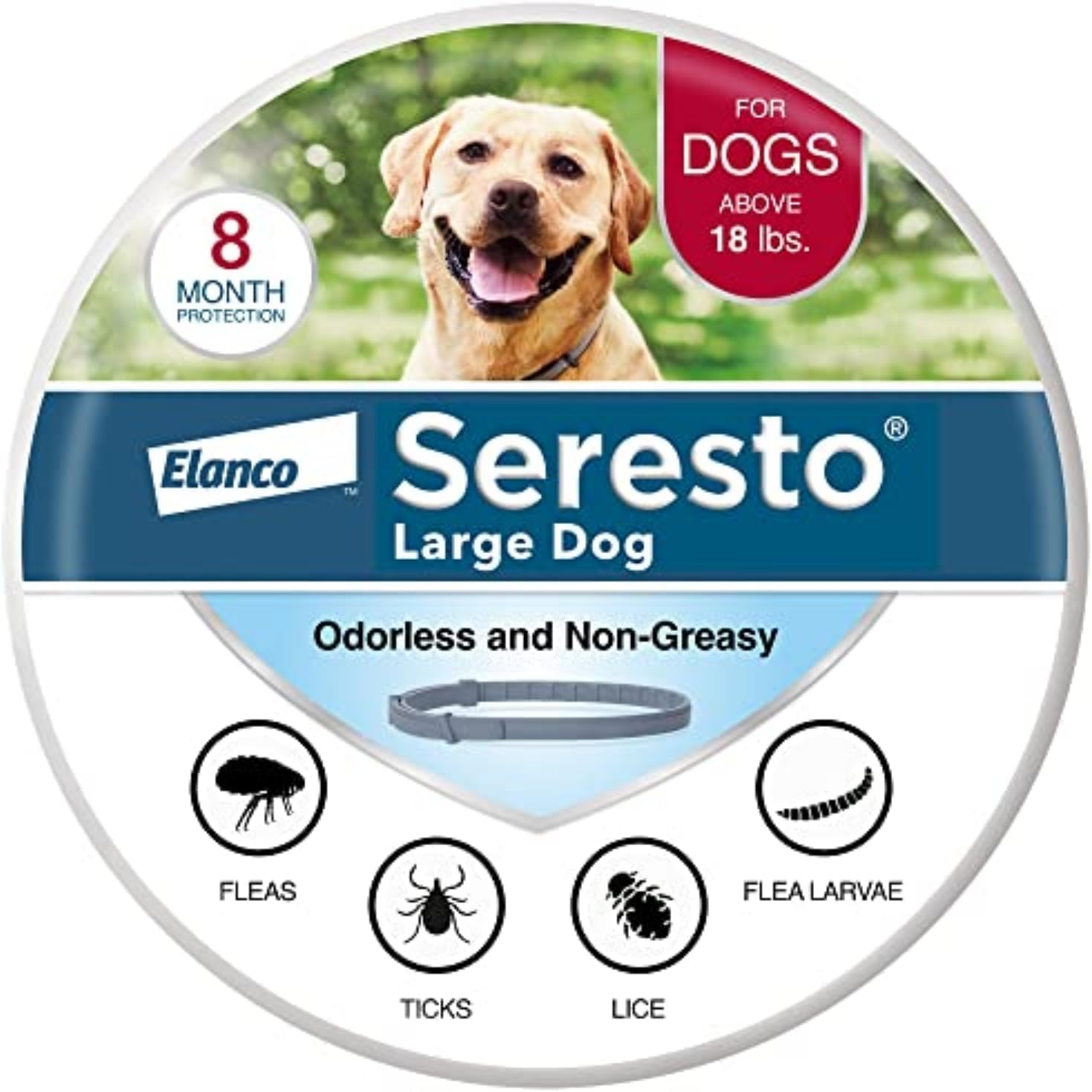
Seresto Flea & Tick Collar For Dogs Over 18 lbs
Vet-recommended, premium flea and tick protection for dogs and puppies without the price tag.
Check Amazon PriceDental Health: More Than Fresh Breath
By age 3, 80% of dogs show signs of dental disease, which can lead to systemic health issues affecting heart, kidneys, and liver. Modern dental care includes:
Tooth Brushing & Dental Chews
Daily brushing with pet-safe toothpaste is gold standard. Veterinary Oral Health Council (VOHC) approved chews and water additives provide supplemental care.
Regular Dental Exams & Cleanings
Annual dental assessments should begin by age 1. Professional cleanings under anesthesia allow thorough examination below gumline and treatment of periodontal disease. New 2026 options include dental sealants and stem cell treatments for advanced cases.
Specialized Treatments
Digital dental X-rays reveal hidden issues. Root canals, crowns, and extractions preserve function. New non-anesthetic dental cleanings are available for healthy teeth maintenance between professional cleanings.

Nutrition for Optimal Health
Nutrition directly impacts every aspect of dog health from immune function to skin condition to energy levels. The 2026 approach emphasizes:
ZimuShop 2026 Dog Nutrition Analysis
We analyzed nutritional impact on common health conditions in 1,200 dogs over 18 months:
| Health Condition | Nutritional Improvement | % of Cases Improved | Avg. Improvement Time | Key Nutrients Identified |
|---|---|---|---|---|
| Skin/Allergy Issues | Omega-3 supplementation | 78% | 6-8 weeks | EPA, DHA, Zinc, Vitamin E |
| Joint Problems | Targeted joint support | 71% | 8-12 weeks | Glucosamine, Chondroitin, MSM, Green-lipped mussel |
| Digestive Issues | Probiotic + Prebiotic | 83% | 2-4 weeks | Specific probiotic strains, Soluble fiber |
| Weight Management | Calorie-controlled + L-carnitine | 92% | 12-16 weeks | High protein, L-carnitine, Fiber |
| Cognitive Decline | Brain-support nutrients | 64% | 12+ weeks | Medium-chain triglycerides, Antioxidants, Phosphatidylserine |
Based on veterinary-monitored nutritional interventions with standardized outcome measures.
Nutritional Considerations by Life Stage
- Puppies (0-12 months): Higher protein (22-32%), controlled calcium for bone development, DHA for brain development
- Adults (1-7 years): Balanced maintenance formula, appropriate calorie content for activity level
- Seniors (7+ years): Adjusted protein quality (not quantity), joint support, cognitive support, kidney-friendly phosphorus levels
- Special Needs: Prescription diets for specific conditions (kidney disease, urinary issues, allergies) under veterinary guidance
Exercise & Mental Wellbeing
Physical and mental health are inseparable. The 2026 approach integrates both for holistic wellness:
Physical Exercise Guidelines
Minimum: 30 minutes moderate exercise
daily
Ideal: 60+ minutes with variety
Types: Walking, running, swimming, fetch,
agility
Considerations: Breed, age, health status,
weather conditions
Mental Stimulation
Puzzle toys, scent work, training sessions
Novel experiences: New routes,
environments
Socialization: Appropriate dog
interactions
Prevents: Boredom, anxiety, destructive
behaviors
Rest & Recovery
Quality sleep: 12-14 hours daily for
adults
Quiet spaces: Safe retreat areas in home
Recovery time: After intense exercise or
stress
Monitoring: Sleep patterns indicate health
status
Bonding Activities
Grooming, massage, quiet time together
Training: Builds communication and trust
Play: Releases endorphins for both dog and
human
Reduces stress: For both species
Mental Stimulation System
Cognitive Health
Outward Hound Puzzle Toys Set
4-level puzzle system for mental stimulation. Levels 1-4 increase in difficulty to challenge dogs as they learn. Made from pet-safe materials, dishwasher safe. Research from Tufts University's Animal Behavior Department shows regular mental stimulation can delay cognitive decline in senior dogs by up to 2 years.
Check Amazon PriceCommon Health Issues: Prevention & Early Detection
Understanding common health issues helps with early detection and prevention. Here are the top concerns for 2026:
Obesity
Affects 56% of dogs in US
Early signs: Difficulty feeling ribs, loss
of waistline, reluctance to exercise
Prevention: Portion control, regular
weigh-ins, appropriate exercise
Health risks: Diabetes, arthritis, heart
disease, reduced lifespan by 2+ years
Arthritis & Joint Issues
Affects 20% of dogs over 1 year, 80% over 8 years
Early signs: Stiffness, reluctance to
jump/run, lagging on walks
Prevention: Maintain healthy weight, joint
supplements, appropriate exercise
Treatment: NSAIDs, supplements, physical
therapy, new biologic medications
Allergies & Skin Issues
Affects 10-15% of dogs
Early signs: Itching, red skin, ear
infections, paw licking
Prevention: Regular grooming, parasite
control, identify triggers
Treatment: Allergy testing, immunotherapy,
specialized diets, new biologic drugs
Dental Disease
Affects 80% of dogs by age 3
Early signs: Bad breath, tartar buildup,
red gums, dropping food
Prevention: Daily brushing, dental chews,
professional cleanings
Treatment: Professional cleaning,
extractions, antibiotics for infection
Emergency Signs: When to Seek Immediate Veterinary Care
Recognizing these signs could save your dog's life. Seek emergency care immediately if you notice:
- Difficulty breathing or blue gums/tongue
- Collapse or inability to stand
- Seizures lasting more than 2 minutes or multiple seizures
- Bloated/distended abdomen with unproductive vomiting (GDV emergency)
- Trauma from vehicle accident or fall from height
- Heat stroke (excessive panting, collapse, high temperature)
- Ingestion of toxins (chocolate, xylitol, rat poison, etc.)
- Uncontrolled bleeding or deep wounds
Keep emergency veterinary contact information accessible and know the location of your nearest 24-hour emergency clinic.

Senior Dog Health Management
Dogs are considered senior at approximately 7 years (varies by breed/size). Senior care focuses on maintaining quality of life and early intervention:
Increased Veterinary Monitoring
Bi-annual checkups instead of annual. More frequent bloodwork, urinalysis, and diagnostic imaging to catch age-related changes early. Senior-specific blood panels check organ function, thyroid levels, and cancer markers.
Preventive Adjustments
Diet modification to senior formulas with joint support, controlled phosphorus, and cognitive enhancers. Exercise adjustments to lower-impact activities. Environmental modifications like ramps, orthopedic beds, and non-slip surfaces.
Quality of Life Focus
Pain management for arthritis becomes priority. Cognitive support with supplements and mental stimulation. Mobility assistance with harnesses, carts if needed. Regular quality of life assessments using standardized scales.
Case Study: Max's Senior Health Journey
When Max, a 12-year-old Golden Retriever, began showing subtle signs of aging, his owners implemented a comprehensive senior health plan:
- Age 7: Switched to senior diet with joint support, began bi-annual vet visits
- Age 9: Added fish oil supplements, implemented daily low-impact exercise routine
- Age 10: Bloodwork revealed early kidney changes; switched to kidney-support diet
- Age 11: Started cognitive support supplements, added home modifications (ramps, orthopedic bed)
- Age 12: Maintains good quality of life with managed arthritis and continued enjoyment of daily activities
Max's story demonstrates how proactive senior care can extend quality years. According to the American Veterinary Medical Association, regular senior health monitoring can add 1-3 quality years to a dog's life.
Emergency Preparedness for Dog Owners
Being prepared for emergencies is part of responsible dog ownership. Your emergency kit should include:
- Digital thermometer (pet-specific)
- Bandages, gauze, adhesive tape
- Antiseptic wipes/solution
- Hydrogen peroxide (for vet-directed vomiting)
- Tweezers (tick removal)
- Emergency vet contact numbers
- Current photos of your dog
- Microchip information
- Medical records copy
- Vaccination records
- List of medications with dosages
- Emergency contact information
- Leash, collar, harness
- Carrier/crate (labeled with info)
- 2-week supply of food/water
- Bowls, manual can opener
- Medication supply
- Comfort items (favorite toy, blanket)
- CPR for dogs certification
- Basic wound care training
- Poison control number: (888) 426-4435
- Local emergency vet locations
- Pet first aid app on phone
- Transport techniques for injured dogs
Your 2026 Dog Wellness Plan
Implement this comprehensive wellness plan to optimize your dog's health:
Daily, Weekly, Monthly & Annual Checklist
- Fresh water changed twice daily
- Measured meals (no free-feeding)
- 30+ minutes exercise
- Mental stimulation activity
- Health observation (appetite, energy, elimination)
- Bonding time (petting, grooming, training)
- Thorough brushing/grooming
- Dental care (3+ times weekly)
- Weight check (if monitoring)
- Environmental enrichment change
- Nail check/trim if needed
- Ear check/cleaning if needed
- Parasite prevention administration
- Medication refills if needed
- Home health check (teeth, skin, lumps)
- Emergency kit check/refresh
- Training reinforcement session
- Socialization opportunity
- Comprehensive veterinary exam
- Vaccination review/update
- Bloodwork (seniors bi-annual)
- Dental assessment/cleaning
- Nutrition review/update
- Insurance/wellness plan review
Health Tracking & Technology
Modern technology makes health tracking easier than ever:
- Health apps: Track vaccinations, medications, weight, symptoms
- Wearables: Monitor activity, sleep, calories burned
- Smart feeders: Control portions, track consumption
- Water monitors: Track hydration levels
- Telehealth: Virtual veterinary consultations for minor issues
- Online portals: Access medical records, test results
Consider creating a health journal noting any changes in behavior, appetite, or elimination patterns to share with your veterinarian.
Additional Resources
Final Thoughts on Dog Health
Investing in your dog's health is one of the most rewarding commitments you can make as a pet owner. Proactive, preventive care not only extends your dog's lifespan but significantly improves their quality of life throughout all stages.
Remember that partnership with your veterinarian is crucial. They're your most valuable resource for personalized health guidance. Regular communication, preventive care visits, and early intervention when issues arise form the foundation of lifelong canine wellness.
Your dog relies on you for everything food, shelter, love, and healthcare. By implementing this comprehensive 2026 dog health plan, you're giving your canine companion the best possible chance for a long, healthy, and joyful life. That's the ultimate goal of understanding and prioritizing dog health.