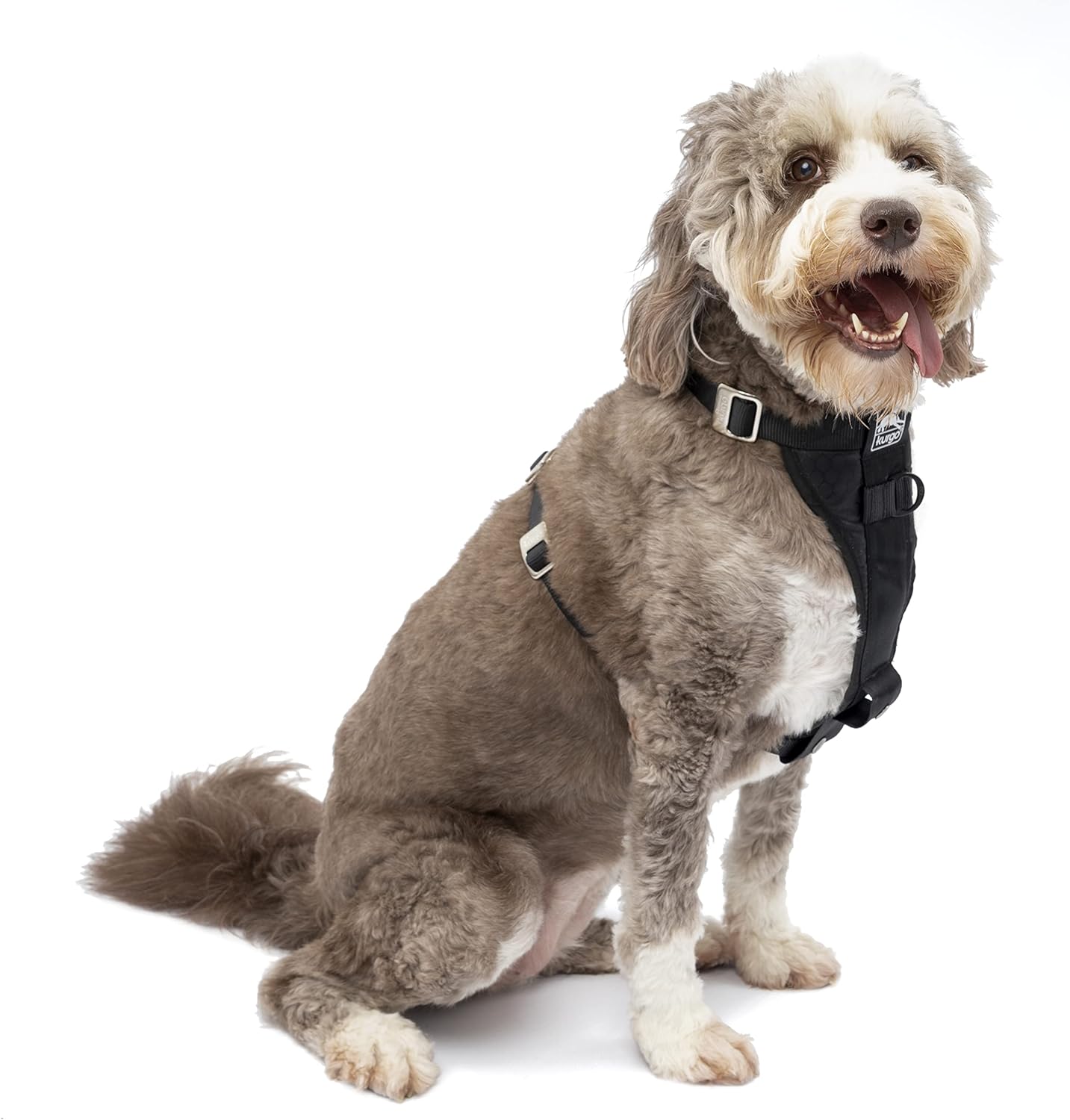
Your dog's health and safety should be your top priority as a responsible pet owner. In 2026, with new research, technologies, and understanding of canine health, we have more tools than ever to protect our furry friends. This comprehensive guide covers everything from preventive care and nutrition to emergency response and creating a safe home environment.
Understanding dog health risks and implementing proper safety measures could prevent up to 80% of common canine emergencies. Whether you're a new dog owner or looking to update your safety protocols, this guide provides the latest 2026 information and practical strategies. For specific breed health concerns, check out our breed-specific health guide.
Table of Contents
- Preventive Care: Your Dog's Health Foundation
- 2026 Vaccination Schedule & Protocols
- Nutrition's Impact on Health & Immunity
- Recognizing Common Dog Illnesses Early
- Emergency Preparedness: What Every Owner Must Know
- Canine First Aid: Step-by-Step Procedures
- Home Safety: Dog-Proofing Your Environment
- Outdoor & Travel Safety Guidelines
- Senior Dog Health: Special Considerations
- 2026 Advances in Canine Health Technology
- Essential Health & Safety Supplies
- Monthly Health & Safety Checklist
- Frequently Asked Questions

Preventive Care: Your Dog's Health Foundation
Preventive care is the cornerstone of dog health. It's far easier and more cost-effective to prevent illness than to treat it. A comprehensive preventive care plan includes regular veterinary checkups, proper nutrition, exercise, dental care, parasite prevention, and vaccinations.
According to the American Veterinary Medical Association (AVMA), dogs receiving regular preventive care live on average 1.5-2 years longer than those who only see a vet for emergencies. The key components of an effective preventive care plan include:
Regular Veterinary Visits
Adult dogs: Annual comprehensive exams
Senior dogs (7+ years): Biannual exams
Puppies: Monthly until 4 months, then every
3 months
Dental Care
Daily brushing with canine toothpaste
Annual dental cleanings as recommended
Dental chews and toys for maintenance
Parasite Prevention
Monthly preventatives for fleas, ticks,
heartworm
Regular fecal exams for intestinal
parasites
Year-round protection in most climates
Weight Management
Regular weight checks and body condition
scoring
Appropriate exercise for age and breed
Measured feeding rather than free-feeding
Preventive Care Tip
Create a health journal for your dog. Record weight, appetite, energy levels, bowel movements, and any unusual symptoms. This becomes invaluable during vet visits and helps you notice subtle changes that might indicate health issues. Download our free dog health tracker template to get started.
Essential Safety Product
Emergency Preparedness
ADVANCED PET First Aid Kit - 100+ Items
Comprehensive emergency kit with canine-specific supplies: wound care, thermometer, muzzle, emergency blanket, splint materials, and step-by-step guide. Every dog owner should have a dedicated pet first aid kit.
Check Amazon Price2026 Vaccination Schedule & Protocols
Vaccinations have evolved significantly in recent years. The 2026 vaccination protocols emphasize individualized approaches based on lifestyle, geographic location, and overall health rather than one-size-fits-all schedules.
2026 Core vs. Non-Core Vaccines
The American Animal Hospital Association (AAHA) updated their guidelines in 2025. Here's what every dog owner should know:
| Vaccine Type | Core (Recommended for All) | Non-Core (Lifestyle-Based) | 2026 Protocol Changes |
|---|---|---|---|
| Rabies | ✅ Required by law | N/A | 3-year vaccines now standard after initial series |
| Distemper/Parvo | ✅ Core for all dogs | N/A | Titer testing accepted for proof of immunity |
| Leptospirosis | ✅ Now considered core | N/A | Annual vaccination recommended due to rising cases |
| Bordetella | ❌ | ✅ Boarding, daycare, grooming | Oral and intranasal options available |
| Lyme Disease | ❌ | ✅ Tick-endemic areas | New recombinant vaccine with fewer side effects |
| Canine Influenza | ❌ | ✅ Social dogs, travel, outbreaks | Bivalent vaccine covers both H3N2 and H3N8 strains |
Consult your veterinarian for a personalized vaccination plan based on your dog's specific risk factors.
Vaccine Safety Note
While vaccines are generally safe, monitor your dog for 24-48 hours after vaccination. Common mild reactions include tenderness at injection site, mild fever, or lethargy. Contact your vet immediately if you notice facial swelling, hives, vomiting, difficulty breathing, or collapse. These could indicate a serious allergic reaction requiring emergency care.
Nutrition's Impact on Health & Immunity
Proper nutrition is your dog's first line of defense against illness. A balanced diet supports immune function, maintains healthy weight, promotes shiny coat and skin, and provides energy for an active lifestyle.

Key Nutritional Components for Health
| Nutrient | Health Benefits | Quality Sources |
|---|---|---|
| High-Quality Protein | Muscle maintenance, immune function, tissue repair | Chicken, beef, fish, eggs, lamb |
| Omega-3 Fatty Acids | Reduces inflammation, supports brain health, shiny coat | Fish oil, flaxseed, chia seeds, algal oil |
| Antioxidants | Neutralizes free radicals, supports immune system | Blueberries, spinach, carrots, sweet potatoes |
| Probiotics & Prebiotics | Supports gut health, improves nutrient absorption | Yogurt, kefir, pumpkin, specially formulated foods |
| Joint Supplements | Supports mobility, reduces arthritis symptoms | Glucosamine, chondroitin, MSM, green-lipped mussel |
Recognizing Common Dog Illnesses Early
Early detection of illness significantly improves treatment outcomes. Know these common symptoms that warrant veterinary attention:
Emergency Symptoms - Seek Immediate Veterinary Care
- Difficulty breathing or blue gums/tongue
- Collapse or inability to stand
- Seizures lasting more than 2 minutes
- Profuse bleeding that doesn't stop with pressure
- Loss of consciousness
- Temperature above 104°F (40°C) or below 99°F (37.2°C)
- Suspected poisoning (see poison emergency guide)
Common Illness Warning Signs
When to Worry About Vomiting/Diarrhea
Mild: Single episode, dog otherwise normal
- monitor closely
Moderate: Multiple episodes in 24 hours,
decreased appetite - call vet
Severe: Blood in vomit/stool, lethargy,
abdominal pain - emergency visit
Coughing & Breathing Changes
Kennel cough: Honking cough, otherwise
normal appetite/energy
Pneumonia: Productive cough, fever,
lethargy, loss of appetite
Heart disease: Cough at night/rest,
exercise intolerance, fainting
UTI vs. More Serious Issues
UTI: Frequent urination, straining,
accidents in house
Bladder stones: Blood in urine, crying
while urinating
Kidney failure: Increased thirst/urination,
vomiting, bad breath
Allergies vs. Infections
Allergies: Seasonal itching, licking paws,
ear infections
Skin infections: Redness, pustules, hair
loss, odor
Parasites: Visible fleas/ticks, "flea
dirt," intense itching
Health Monitoring Technology
2026 Innovation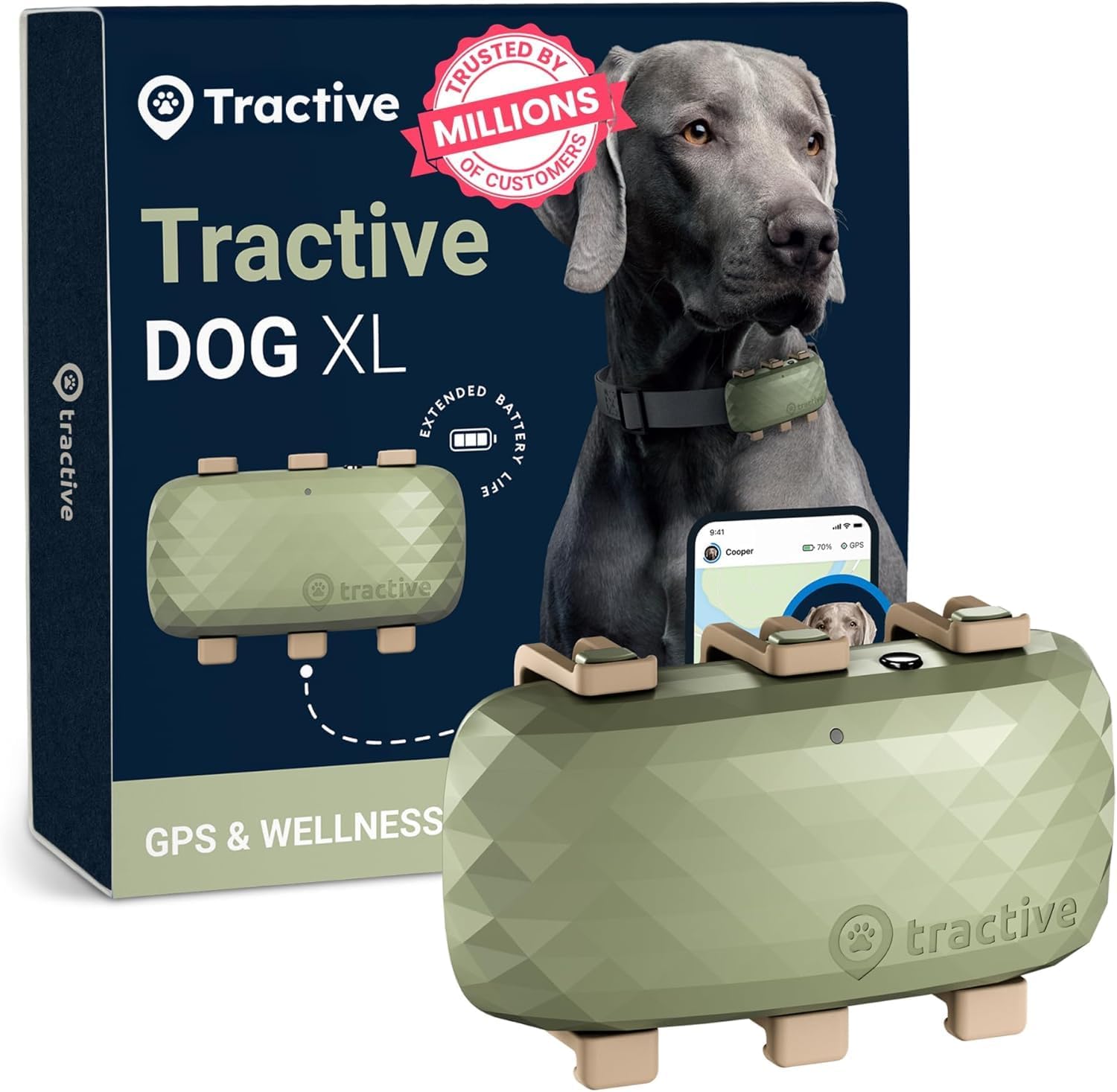
PETKIT P2 Pro Smart Health Monitor
Smart collar attachment tracks activity, sleep, calories burned, and resting heart rate. Syncs with app to detect changes in patterns that might indicate health issues. Early detection is key.
Check Amazon PriceEmergency Preparedness: What Every Owner Must Know
Being prepared for emergencies can save your dog's life. Follow these essential preparedness steps:
Emergency Contacts
Program these numbers into your phone:
• Your regular veterinarian
• Nearest 24-hour emergency clinic
• ASPCA Animal Poison Control: (888) 426-4435
• Pet emergency transport service
Medical Records Kit
Keep copies of:
• Vaccination records
• Medical history
• Current medications list
• Insurance information
• Microchip number
Emergency Go-Bag
Pack and maintain:
• 3-day supply of food/water
• Medications
• Copies of medical records
• Photo of you with your dog
• Comfort items (favorite toy, blanket)
Evacuation Plan
Practice with your dog:
• Carrier/crate training
• Car loading
• Designated safe meeting place
• Pet-friendly shelter/hotel list
• "Pets Inside" window decal
Canine First Aid: Step-by-Step Procedures
Canine CPR & Rescue Breathing
Check Responsiveness
Gently tap and call your dog's name. Check for breathing by watching chest movement and feeling for breath on your cheek.
Clear Airway
Pull tongue forward, check for obstructions. If visible and reachable, remove carefully with fingers or tweezers.
Rescue Breathing
Close mouth, extend neck to straighten airway. For small dogs: cover nose and mouth with your mouth. For large dogs: cover nose only. Give 1 breath every 3 seconds.
Check Pulse
Feel for femoral artery inside hind leg where it meets abdomen. If no pulse, begin chest compressions.
Chest Compressions
Small dogs: Compress chest with one hand
directly over heart
Large dogs: Compress widest part of chest
with both hands
Rate: 100-120 compressions per minute
Depth: 1/3 to 1/2 chest width
First Aid Limitations
First aid is not a substitute for veterinary care! Always transport to a veterinarian as soon as possible after administering first aid. Even if your dog seems to recover, internal injuries or complications may not be immediately apparent. Keep your dog calm and immobilized during transport.

Home Safety: Dog-Proofing Your Environment
Your home should be a safe haven for your dog. Follow this room-by-room safety checklist:
Kitchen Dangers
Toxic foods: Chocolate, grapes, onions,
xylitol
Hazards: Trash cans, cleaning supplies,
sharp objects
Prevention: Child locks, elevated storage,
secure trash
Bathroom Risks
Toxins: Medications, cleaning products
Dangers: Toilet bowl cleaners, razors
Prevention: Keep toilet lids closed, secure
medications
Living Room Hazards
Choking risks: Small toys, batteries,
coins
Toxins: Houseplants, essential oil
diffusers
Prevention: Cord management, plant
elevation
Yard/Garden Safety
Toxic plants: Lilies, azaleas, sago palm
Hazards: Pesticides, fertilizers, cocoa
mulch
Prevention: Fence inspection, pet-safe
products
Real Safety Lesson: Bella's Close Call
Our Labrador, Bella, nearly died from xylitol poisoning after chewing a pack of sugar-free gum left in a purse. The symptoms came on suddenly: vomiting, weakness, and collapse. Emergency treatment saved her life, but it was terrifying and expensive.
What we learned:
- Xylitol is in more products than we realized (some peanut butters, baked goods, supplements)
- Dogs have no warning symptoms before severe hypoglycemia sets in
- Immediate veterinary care is critical - every minute counts
- Now we check all ingredient labels and keep purses/bags out of reach
This experience taught us that vigilance and education are the best prevention. Download our free comprehensive toxic foods checklist for your refrigerator.
Home Safety Essential
Pet Proofing
Regalo Extra Wide Walk Through Gate
Expandable gate (28-55 inches) with walk-through door for easy access. Pressure-mounted, no tools needed. Perfect for blocking off dangerous areas like kitchens, stairs, or home offices. According to the ASPCA, proper containment is one of the most effective ways to prevent household accidents.
Check Amazon Price2026 Advances in Canine Health Technology
Technology is revolutionizing dog health and safety. Here are the most promising 2026 innovations:
Smart Microchips
New chips not only provide identification but also track temperature, detect infections early, and monitor for signs of stress or pain.
AI Symptom Checkers
Mobile apps that analyze photos/videos of symptoms and provide triage recommendations based on veterinary databases.
At-Home Testing
Saliva and urine test kits that screen for common conditions and sync results directly with your veterinarian.
Telemedicine
Widespread veterinary telehealth services for consultations, follow-ups, and prescription renewals without clinic visits.
Monthly Health & Safety Checklist
- Check food/water bowls are clean and full
- Administer medications/supplements
- Brush teeth (ideal) or provide dental chew
- Check for lumps, bumps, or injuries
- Monitor appetite, energy, and stool quality
- Thorough grooming and coat inspection
- Ear cleaning (if prone to infections)
- Nail trim if needed
- Check and refresh first aid kit
- Test emergency contacts/plan
- Weigh and record
- Administer flea/tick/heartworm prevention
- Check microchip registration information
- Inspect toys for wear/damage
- Review home safety measures
- Schedule veterinary checkup (biannual)
- Update vaccinations as needed
- Seasonal safety adjustments (heat/cold)
- Emergency kit refresh/rotation
- Training refresher courses
Additional Safety Resources
Final Thoughts on Dog Health & Safety
Protecting your dog's health and safety is an ongoing commitment that pays dividends in quality years together. While this guide covers comprehensive strategies, remember that your veterinarian is your best partner in your dog's health journey.
The most important safety measure is your attention and vigilance. You know your dog better than anyone. Trust your instincts when something seems "off." Early intervention is often the difference between a simple treatment and a serious health crisis.
By implementing these preventive measures, staying educated about new developments, and maintaining a strong relationship with your veterinary team, you're giving your dog the best possible chance at a long, healthy, and happy life. That's the ultimate goal of all our efforts in dog health and safety.