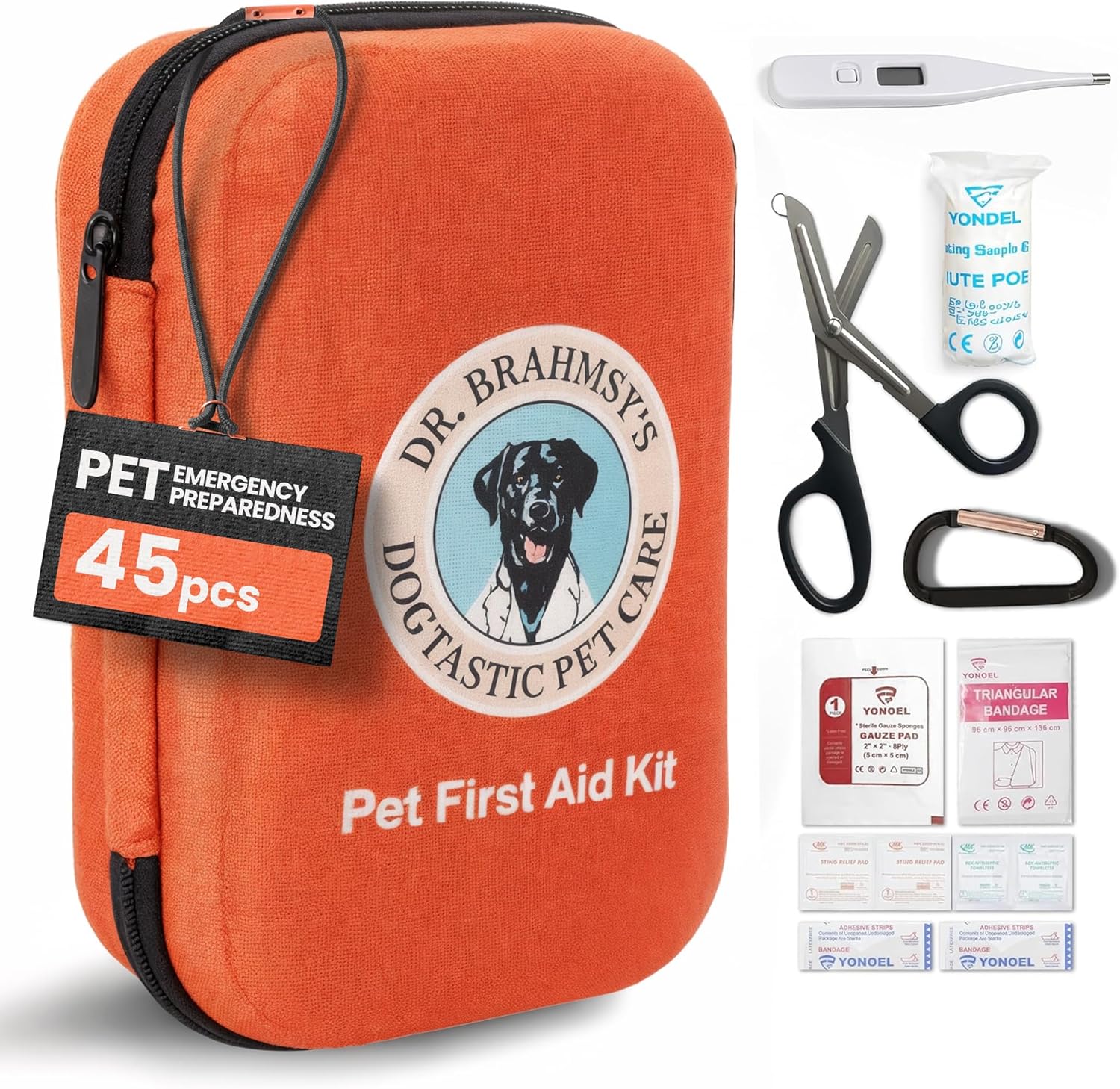
Emergencies can happen anytime, and being prepared with a well-stocked dog first aid kit could save your pet's life. According to veterinary statistics, 25% of dogs will experience a medical emergency each year, and prompt first aid can significantly improve outcomes. This comprehensive 2026 guide will walk you through everything you need to build, maintain, and use a complete canine first aid kit.
Whether you're dealing with minor cuts, burns, poisoning, or more serious emergencies, having the right supplies and knowledge is crucial. We've consulted with veterinary emergency specialists to create this up-to-date guide that reflects the latest recommendations and innovations in pet emergency care.
Table of Contents
- Why Every Dog Owner Needs a First Aid Kit
- Essential First Aid Kit Items
- Step-by-Step Kit Assembly Guide
- Handling Common Dog Emergencies
- Poison Control and Toxin Response
- Canine CPR and Rescue Breathing
- Travel and Car First Aid Kits
- Kit Maintenance and Updates
- Recommended First Aid Kit Products
- First Aid Training for Dog Owners
- Frequently Asked Questions

Why Every Dog Owner Needs a First Aid Kit
The American Veterinary Medical Association (AVMA) reports that nearly 1 in 4 pets will require emergency veterinary care each year. Common emergencies include traumatic injuries (car accidents, falls), poisoning, choking, heatstroke, and severe allergic reactions. The first 5-10 minutes after an injury are often the most critical, and proper first aid can:
- Stabilize your dog until veterinary care is available
- Prevent minor injuries from becoming major problems
- Reduce pain and suffering immediately after injury
- Improve outcomes for serious medical emergencies
- Save money by preventing complications that require expensive treatment
Did You Know?
Most veterinary emergencies happen during evenings, weekends, or holidays when regular veterinary clinics are closed. Having a well-stocked first aid kit means you're prepared regardless of when an emergency strikes. According to a 2025 study, dog owners with first aid kits were 40% more likely to provide effective initial care compared to those without prepared supplies.
Recommended First Aid Kit
Complete Kit
Pet First Aid Complete Kit by RC Pets
Comprehensive 100-piece pet first aid kit including wound care supplies, emergency tools, and a detailed instruction guide. Meets veterinary recommendations for basic pet emergency preparedness.
Check Amazon PriceEssential First Aid Kit Items
Based on recommendations from the American Veterinary Medical Association and the American Red Cross, here are the essential items for your dog's first aid kit:
Wound Care Supplies
Bandaging Materials
Sterile non-stick pads (3x3 and 4x4 inches), self-adhesive vet wrap, gauze rolls, medical tape, and elastic bandages. These are essential for controlling bleeding and protecting wounds.
Antiseptics & Cleansers
Chlorhexidine solution (2%), sterile saline solution, hydrogen peroxide (3% - for inducing vomiting only when directed by vet), and povidone-iodine solution.
Wound Treatment
Antibiotic ointment (pet-safe), styptic powder for nail bleeding, wound spray with pain relief, and hydrogel burn dressing for thermal injuries.
Specialty Items
Eye wash solution, ear cleaner, pet-safe sunscreen, and paw pad protection wax. These address specific needs that may arise during outdoor activities or travel.
Medications and Treatments
Important Medication Warning
Never give human medications to dogs without explicit veterinary guidance. Many common human drugs (ibuprofen, acetaminophen, naproxen) are toxic to dogs. Only include medications specifically recommended by your veterinarian for your dog, and always check expiration dates monthly.
| Medication Type | Purpose | Veterinary Guidance Required |
|---|---|---|
| Diphenhydramine (Benadryl) | Allergic reactions, insect bites | YES - Dosage varies by weight |
| Antidiarrheal Medication | Diarrhea control (kaolin-pectin) | YES - For specific cases only |
| Antiemetic | Vomiting control | YES - Prescription only |
| Pain Relief | Post-injury pain management | YES - Veterinary prescription only |
| Antihistamine Eye Drops | Eye irritation from allergies | YES - Pet-specific formulas only |
Tools and Equipment
Emergency Tools
Digital thermometer (rectal, pet-specific), tweezers (for ticks/splinters), blunt-end scissors, nail clippers with styptic powder, muzzle (even gentle dogs may bite when in pain), and disposable gloves.
Restraint and Transport
Soft fabric muzzle (adjustable sizes), slip leash, blanket or towel for restraint or shock prevention, improvised stretcher materials (board or blanket), and emergency contact cards.
Information and Documentation
Current vaccination records, veterinary contact information, poison control hotline numbers, pet insurance details, and recent photo of your dog (in case they get lost during an emergency).

Step-by-Step First Aid Kit Assembly Guide
Building your dog's first aid kit doesn't need to be complicated. Follow this 4-step process to create a comprehensive emergency kit:
- Choose a waterproof, durable container
- Consider separate kits for home and car
- Label clearly: "DOG FIRST AID"
- Include bright stickers for visibility
- Ensure easy access and portability
- Purchase essential items from list above
- Check expiration dates on all products
- Organize by category (wound care, tools, meds)
- Include vet-recommended medications
- Add comfort items (favorite toy, treats)
- Use clear plastic bags for categories
- Create quick-reference instruction cards
- Place most-used items on top
- Include emergency contact information
- Add a flashlight with extra batteries
- Practice accessing items quickly
- Ensure you know how to use everything
- Share kit location with family members
- Take a pet first aid course
- Schedule monthly check-ups for kit
Emergency Thermometer
Essential Tool
Pet-Temp Instant Pet Thermometer
Fast, accurate rectal thermometer specifically designed for pets. Features flexible tip for safety, fever alert, and memory function. Normal canine temperature ranges from 101-102.5°F (38.3-39.2°C).
Check Amazon PriceHandling Common Dog Emergencies
Knowing how to respond to specific emergencies is as important as having the right supplies. Here are the most common canine emergencies and how to handle them:
Bleeding Wounds
Step 1: Apply direct pressure with sterile gauze for 5-10 minutes. Step 2: If bleeding continues, apply pressure bandage. Step 3: Elevate wound if possible. Step 4: Transport to vet for wounds deeper than skin surface.
Burns
Thermal burns: Cool with lukewarm (not cold) water for 10 minutes. Chemical burns: Flush with copious water for 15 minutes. Electrical burns: Turn off power source before touching dog. Never apply butter, oils, or ice.
Choking
Step 1: Open mouth and check for visible object. Step 2: If visible, carefully remove with pliers/tweezers. Step 3: If not visible, perform canine Heimlich maneuver. Step 4: Begin CPR if breathing stops.
Heatstroke
Symptoms: Excessive panting, bright red gums, vomiting, collapse. Treatment: Move to cool area, apply cool (not cold) water to body, offer small amounts of water, use fans. Critical: Get to vet immediately - heatstroke can be fatal.
Assess and Secure
Check ABCs: Airway, Breathing, Circulation. Muzzle if necessary (even friendly dogs may bite when scared/in pain). Move to safe location away from traffic or hazards. Call for help if needed.
Provide First Aid
Control bleeding with direct pressure. Stabilize fractures with splints if trained. Prevent shock by keeping dog warm and calm. Contact veterinarian or emergency clinic.
Transport Preparation
Gather medical records and vaccination history. Prepare transport using blanket as stretcher if needed. Continue monitoring vital signs during transport. Have someone else drive if possible.
Provide Information
Describe incident and timeline accurately. Report first aid measures taken. Share medical history and medications. Provide insurance information if applicable.
Poison Control and Toxin Response
According to the ASPCA Animal Poison Control Center, they receive over 200,000 calls annually about potential pet poisonings. Common canine toxins include:
Top 10 Dog Toxins (2025 Data)
| Toxin Category | Common Examples | Percentage of Calls | Immediate Action |
|---|---|---|---|
| Human Medications | NSAIDs, antidepressants, ADHD meds | 32% | DO NOT induce vomiting unless directed |
| Human Foods | Chocolate, xylitol, grapes, onions | 23% | Identify what and how much was eaten |
| Rodenticides | Rat/mouse poisons | 11% | Bring package to vet for identification |
| Household Products | Cleaners, antifreeze, fertilizers | 9% | Check label for pet treatment instructions |
| Plants | Lilies, sago palm, azaleas | 8% | Take plant sample for identification |
Source: ASPCA Animal Poison Control Center Annual Report 2025
Poison Control Hotlines
ASPCA Animal Poison Control: (888) 426-4435
(Fee may apply)
Pet Poison Helpline: (855) 764-7661 (Fee may
apply)
Local Emergency Veterinary Clinic: Keep
number in kit and phone contacts
Prepare information: Dog's weight, toxin
name/amount, time of ingestion, symptoms observed
First Aid Guide Book
Educational Resource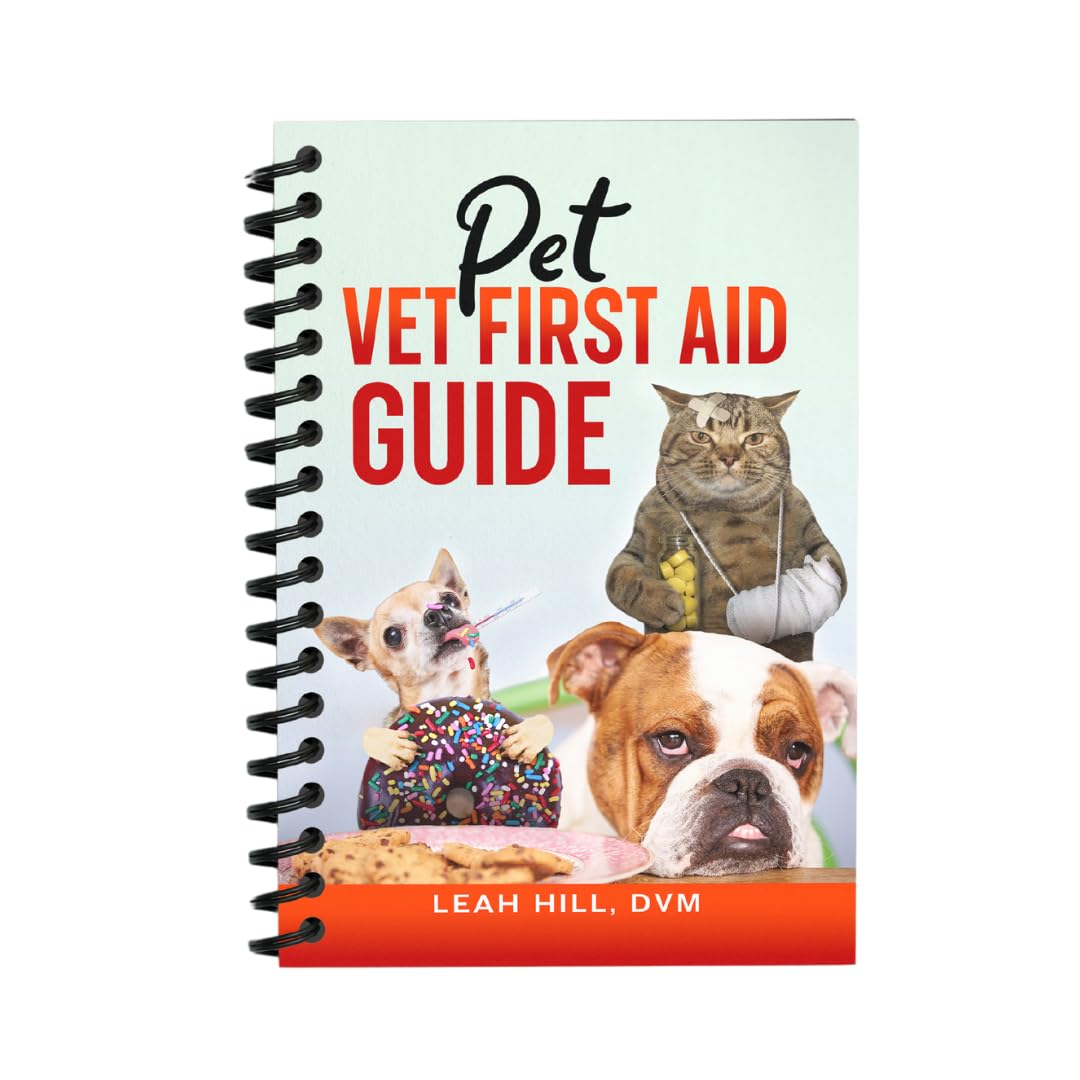
The Dog First Aid & Emergency Care Guide
Comprehensive 2026 edition with step-by-step instructions for 50+ common emergencies. Includes CPR diagrams, poisoning protocols, and emergency contact templates. Studies from the American Red Cross show that pet owners with first aid training are significantly more effective in emergencies.
Check Amazon PriceCanine CPR and Rescue Breathing
Cardiopulmonary resuscitation (CPR) for dogs differs from human CPR. Here are the basic steps, but hands-on training is strongly recommended:
Check Responsiveness
Gently shake and call your dog's name. Check for breathing by watching chest movement and feeling for breath on your cheek. Check pulse at femoral artery (inside hind leg where it meets abdomen).
Airway and Breathing
If not breathing, extend neck to straighten airway. Clear mouth of obstructions. Give 2 initial rescue breaths (seal mouth and nostrils, breathe until chest rises). For small dogs (<30 lbs): mouth-to-nose; large dogs: mouth-to-nose with hand sealing lips.
Chest Compressions
Small dogs (<30 lbs): Compress chest with one hand over heart (left side just behind elbow). Large dogs (>30 lbs): Compress widest part of chest with both hands. Rate: 100-120 compressions/minute. Depth: 1/3 to 1/2 chest width.
Compression-to-Breath Ratio
One rescuer: 30 compressions to 2 breaths. Two rescuers: 15 compressions to 2 breaths. Continue cycles until dog breathes on own or veterinary help arrives. Reassess every 2 minutes.
CPR Important Notes
- CPR success rates for dogs are low (6-8% survival to discharge)
- The goal is to maintain oxygen flow to brain until veterinary care
- CPR can cause rib fractures, especially in small dogs
- Only perform on non-breathing, pulseless dogs
- Get professional training through Red Cross or veterinary organizations
Travel and Car First Aid Kits
Your travel first aid kit should be more comprehensive than your home kit. Consider these additional items for road trips, hiking, or vacations:
Vehicle-Specific Items
Reflective emergency blanket, portable water bowl and water, spare leash and collar, rescue harness for difficult terrain, and glow sticks for nighttime visibility.
Outdoor Adventure Items
Tick removal tool, snake bite kit (controversial - consult vet), paw protection boots or wax, cooling vest for hot weather, and portable water filter.
Vacation-Specific Items
Copy of medical records, list of emergency vets along route, pet-friendly hotel directory, recent photo (in case dog gets lost), and comfort items (familiar blanket, toy).
Technology Aids
Portable phone charger, emergency apps pre-downloaded (vet finder, pet first aid), GPS tracker on collar, and digital copies of records on phone.
Kit Maintenance and Updates
A first aid kit is only useful if it's properly maintained. Follow this maintenance schedule:
| Frequency | Maintenance Tasks | Notes |
|---|---|---|
| Monthly | Check expiration dates, restock used items | Set calendar reminder for same day each month |
| Quarterly | Inspect for damage, update contact information | Check after each season change |
| Biannually | Replace water-sensitive items, update photo | Spring and fall maintenance |
| Annually | Complete inventory, take refresher course | Birthday or New Year's tradition |
| After Use | Immediately restock used items | Don't wait until next emergency |
First Aid Training for Dog Owners
Having supplies is only half the battle. Proper training ensures you can use them effectively. Consider these training options:
Training Resources
- American Red Cross Pet First Aid Course (Online and in-person)
- AVMA Emergency Care Resources
- Local Veterinary College Workshops (Check university veterinary schools)
- Pet Professional Guild First Aid Certification
Practice Drills
Conduct regular practice drills with your family:
- Monthly: Locate and open first aid kit within 60 seconds
- Quarterly: Practice mock emergency scenarios
- Biannually: Update emergency contact information
- Annually: Take pet first aid refresher course
- After vet visits: Update medical records in kit
Remember: In an emergency, you'll default to your level of training, not rise to the occasion.
Real-Life Success Story: Max's Mountain Rescue
Sarah and her Labrador Max were hiking in the Rockies when Max slipped on loose rocks, suffering a deep laceration on his leg. Thanks to her well-stocked hiking first aid kit and recent Red Cross pet first aid training:
- Immediate Action: Applied direct pressure with sterile gauze to control bleeding
- Stabilization: Used self-adhesive bandage to secure dressing during descent
- Communication: Called ahead to emergency vet using satellite phone from kit
- Transport: Used emergency blanket as improvised stretcher with hiking partner
- Outcome: Max received stitches and antibiotics, full recovery in 2 weeks
"That first aid kit and training were the best investments I ever made," Sarah reported. "The emergency vet said the proper bandaging prevented significant blood loss and infection risk during the 90-minute evacuation."
Final Thoughts on Canine First Aid Preparedness
Building and maintaining a comprehensive dog first aid kit is one of the most important responsibilities of pet ownership. While we hope you never need to use it, being prepared provides peace of mind and could save your dog's life in an emergency.
Remember that first aid is not a substitute for veterinary care but a bridge to professional treatment. Always follow up with your veterinarian after any emergency, even if your dog seems to recover completely. Some conditions (like internal injuries or toxin exposure) may not show immediate symptoms.
Start today by gathering the essential items, scheduling a first aid course, and discussing emergency protocols with your family. Your dog depends on you for their safety and wellbeing - proper emergency preparedness is a powerful way to honor that trust.