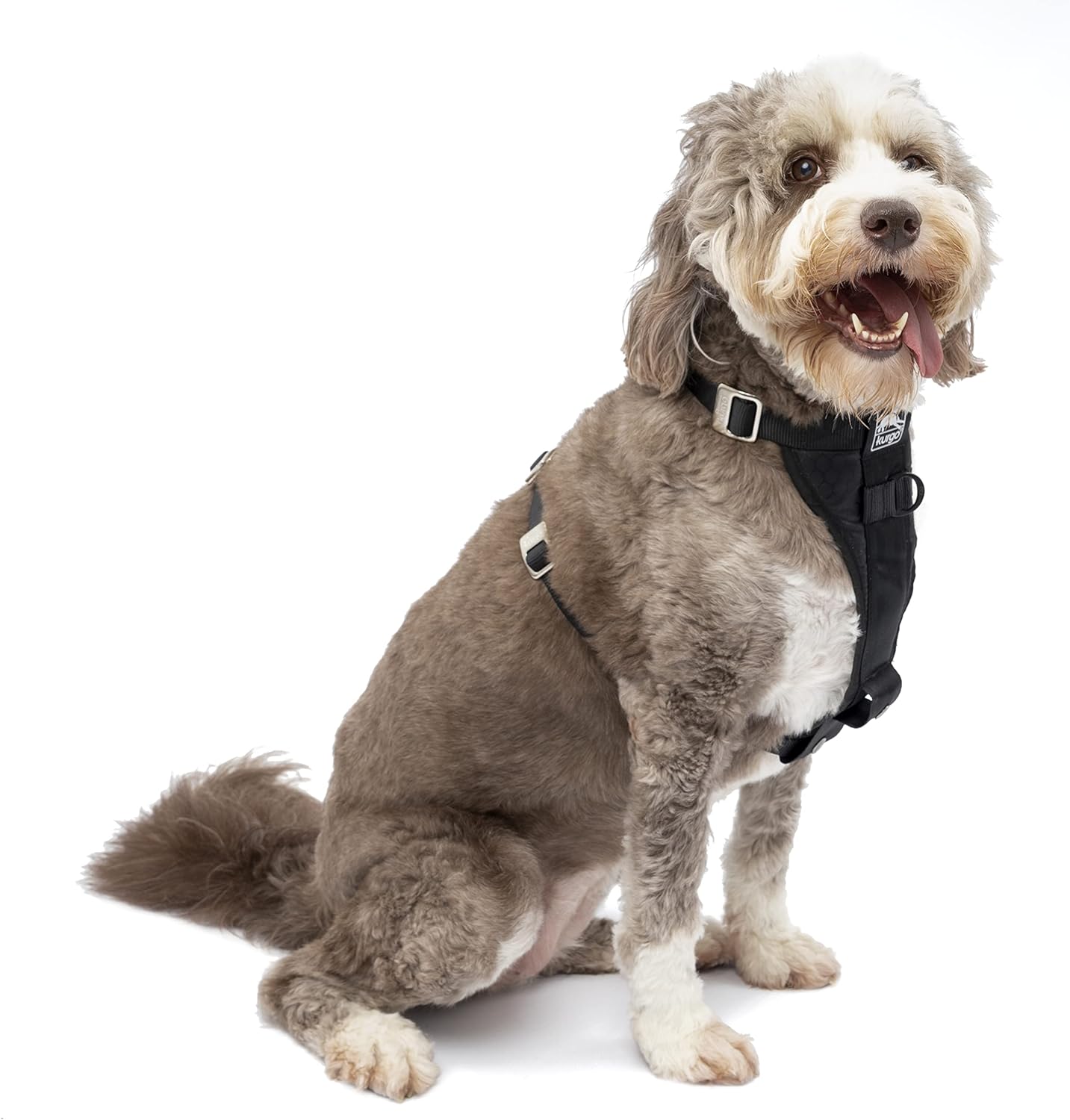
Dog safety is about more than just keeping your furry friend on a leash it's a comprehensive approach to preventing accidents, recognizing hazards, and knowing what to do in emergencies. According to the ASPCA, over 100,000 dogs experience preventable accidents in homes each year. This 2026 guide covers everything you need to know to keep your dog safe in every situation.
Whether you're a new dog owner or have had canine companions for years, safety protocols evolve with new research and technology. From smart home devices that prevent escapes to advanced first aid techniques, staying current could save your dog's life.
Table of Contents

Home Safety: Dog-Proofing Your Space
Your home should be a sanctuary for your dog, but common household items can pose serious risks. A 2025 study by the Pet Poison Helpline found that 65% of dog poisoning cases originate from items found in the home.
Kitchen Hazards
Trash cans: Secure with lids or store in
cabinets
Cleaning products: Store in locked
cabinets
Food on counters: Chocolate, grapes, onions
can be toxic
Small appliances: Unplug cords when not in
use
Living Room Dangers
Electrical cords: Use cord covers or bitter
sprays
Small objects: Toys, batteries, coins can
be swallowed
Houseplants: Many common plants are toxic
to dogs
Fireplaces: Use safety gates or screens
Bathroom & Medicine
Medications: Keep in secure cabinets (human
meds are #1 poison)
Toilet cleaners: Keep lids closed, avoid
automatic cleaners
Razors & personal care: Store out of
reach
Cleaning supplies: Lock away all chemicals
General Home Safety
Windows & balconies: Install secure
screens
Stairs: Use baby gates for puppies/senior
dogs
Sharp objects: Store tools, knives
securely
Toxic substances: Antifreeze, pesticides,
rodent poison
Dog-Proofing Checklist
- Get on your hands and knees to see hazards from dog's perspective
- Install childproof latches on lower cabinets
- Use cord organizers for electrical wires
- Keep trash cans behind closed doors or use locking lids
- Store all medications and vitamins in secure cabinets
- Remove or fence off toxic houseplants
- Install window guards if you live above ground floor
- Use pet gates to restrict access to dangerous areas
Essential Safety Product
Emergency Kit
Comprehensive Pet First Aid Kit
200+ piece pet first aid kit with emergency blanket, thermometer, wound care supplies, and pet first aid guide. Meets American Red Cross standards for pet emergency preparedness.
Check Amazon PriceToxic Foods & Household Hazards
Many common foods and substances are highly toxic to dogs. Knowing what to avoid could prevent an emergency vet visit or worse.
2026 Most Common Dog Toxins
Based on data from ASPCA Animal Poison Control Center:
| Toxin | Symptoms | Time to Effect | Action Required | Severity |
|---|---|---|---|---|
| Chocolate | Vomiting, diarrhea, rapid breathing, seizures | 6-12 hours | Immediate vet care | High |
| Xylitol (sugar-free) | Weakness, collapse, seizures, liver failure | 30-60 minutes | Emergency vet | Extreme |
| Grapes/Raisins | Vomiting, lethargy, kidney failure | 24-48 hours | Immediate vet | High |
| Onions/Garlic | Weakness, vomiting, red urine | 1-4 days | Vet within 24h | Moderate-High |
| Alcohol | Vomiting, disorientation, collapse | 30-60 minutes | Emergency vet | High |
| Medications | Varies by medication type | 30 min-4 hours | Call poison control | Varies |
Always call your veterinarian or animal poison control immediately if you suspect poisoning. Time is critical.
Immediate Action for Suspected Poisoning
- Call your vet or animal poison control immediately: ASPCA Animal Poison Control: (888) 426-4435
- Do NOT induce vomiting unless instructed by a professional (some substances cause more damage coming back up)
- Collect the substance and any vomit to bring to the vet
- Note the time of ingestion and estimated amount
- Monitor breathing and consciousness while transporting to vet
- Bring packaging or sample of the toxic substance
Keep emergency numbers posted visibly in your home and saved in your phone.
Outdoor & Travel Safety
Outdoor adventures come with unique risks. Proper preparation ensures your dog stays safe while enjoying the great outdoors.
Leash & Collar Essentials
Use a well-fitting collar with ID tags (phone number current). Consider a harness for better control. Reflective gear for low-light conditions. Always use a leash in unfenced areas even well-trained dogs can bolt after squirrels or other animals.
Vehicle Safety Standards
Never let dogs ride loose in vehicles. Use crash-tested harnesses, carriers, or barriers. The Center for Pet Safety certifies products that meet crash-test standards. Never leave dogs alone in parked cars temperatures rise dangerously fast.
Public Space Precautions
Check for toxic algae in water sources. Be aware of foxtails and burrs that can embed in skin. Provide fresh water (don't let dogs drink from stagnant water). Watch for hot pavement that can burn paw pads in summer.
Wilderness Preparedness
Pack a dog-specific first aid kit. Check for ticks regularly. Keep dogs on leash in areas with wildlife. Know the location of nearest emergency vet. Bring enough water for both of you.
Car Safety Checklist
- Secure restraint system: Crash-tested harness, carrier, or barrier
- Identification: Current tags and microchip information
- Travel kit: Water, bowl, poop bags, medications, familiar toy
- Climate control: Never leave dog in parked car (even with windows cracked)
- Frequent breaks: Stop every 2-3 hours for water and bathroom
- Emergency contacts: Vet info and emergency clinic numbers
- First aid kit: Specifically designed for pets

Emergency Preparedness
Being prepared for emergencies reduces panic and could save your dog's life. Create a comprehensive emergency plan that covers various scenarios.
Car Safety Harness
Crash Tested
PetSafe Easy Walk Harness for Dogs
Center for Pet Safety certified crash-tested harness. Converts from walking harness to car safety restraint. Suitable for dogs 18-90 lbs. According to the AAA Foundation, unsecured pets can become dangerous projectiles in accidents.
Check Amazon PriceEssential Emergency Preparedness Items
First Aid Kit Contents
Digital thermometer (normal dog temp: 101-102.5°F)
Sterile gauze pads and roll gauze
Self-adhesive bandage (vet wrap)
Antiseptic wipes and ointment
Tweezers and blunt-tip scissors
Emergency blanket
Hydrogen peroxide (only use if vet instructs)
Documentation
Current vaccination records
Medical history and conditions
Current medications with dosages
Veterinarian contact information
Emergency vet clinic addresses/numbers
Pet insurance information
Recent photo of your dog
Emergency Supplies
3-day supply of food and water
Collapsible bowls
Extra leash and collar
Familiar blanket or toy
Poop bags and cleaning supplies
Carrier or crate
Flashlight with extra batteries
Emergency Contacts
Primary veterinarian
24-hour emergency clinic
Animal poison control center
Trusted friend/family for pet care
Local animal control/shelter
Microchip company
Pet insurance hotline
Emergency Numbers to Save Now
- ASPCA Animal Poison Control: (888) 426-4435 (fee may apply)
- Pet Poison Helpline: (855) 764-7661 (fee may apply)
- Your veterinarian's emergency line
- Nearest 24-hour emergency veterinary clinic
- Microchip company recovery hotline
Program these numbers into your phone and post visibly in your home. Time saved finding these numbers could be critical.
Dog First Aid Basics Every Owner Should Know
While professional veterinary care is always best for serious issues, knowing basic first aid can stabilize your dog until you reach help.
Choking Emergency Response
Signs of choking: pawing at mouth, distress, blue gums, inability to breathe.
Check Mouth
Carefully open mouth and look for obstruction. Use pliers or tweezers to remove if visible and easily reachable. Do NOT push object deeper. Be careful of being bitten even gentle dogs may bite when panicking.
Small Dog Technique
Hold small dog with head down. Give 5 sharp blows between shoulder blades. Check mouth between attempts. If unsuccessful, perform abdominal thrusts (modified Heimlich).
Large Dog Technique
Stand behind dog, wrap arms around abdomen. Make a fist just behind rib cage. Perform quick upward thrusts. Check mouth after each thrust. Repeat until object dislodges or you reach vet.
Aftercare
Even if you successfully remove object, visit vet to check for internal damage. Objects can cause throat swelling or internal injuries that aren't immediately apparent.
Poisoning Response Protocol
Poison Response Do's and Don'ts
DO:
- Call animal poison control or vet immediately
- Collect sample of poison and any vomit
- Note time of ingestion and estimated amount
- Follow professional instructions exactly
- Transport dog to vet as directed
DON'T:
- Induce vomiting unless instructed by professional
- Give any medications without veterinary guidance
- Wait to see if symptoms develop
- Attempt home remedies from unverified sources
- Panic calm, quick action is most effective
GPS Tracking Collar
Lost Dog Prevention
Fi Smart Dog Collar Series 3
GPS tracking collar with cellular and WiFi connectivity. Activity monitoring and escape alerts. Long battery life (up to 3 months). Waterproof and durable. According to the Missing Animal Response Network, GPS collars can reduce recovery time from days to minutes.
Check Amazon PriceSeasonal & Weather Safety
Different seasons bring different safety considerations for dogs. Being aware of seasonal risks helps prevent weather-related emergencies.
| Season | Primary Risks | Prevention Tips | Emergency Signs |
|---|---|---|---|
| Summer | Heatstroke, burned paws, dehydration, toxic algae | Walk during cooler hours, check pavement temperature, provide constant fresh water | Excessive panting, bright red gums, collapse, vomiting |
| Winter | Hypothermia, frostbite, salt/chemical burns, antifreeze poisoning | Limit outdoor time, use dog coats/sweaters, wipe paws after walks | Shivering, lethargy, pale gums, ice on body |
| Spring | Allergies, foxtails, pesticides, increased parasite activity | Regular grooming, check for ticks, avoid recently treated lawns | Excessive scratching, pawing at ears, swelling, sneezing |
| Fall | Rodent poison, mushrooms, holiday hazards, decreased visibility | Keep dogs leashed, clear yard of mushrooms, use reflective gear | Vomiting, tremors, weakness, disorientation |
Real Emergency: Bella's Heatstroke
Last summer, 7-year-old Labrador Bella collapsed during a family picnic. Despite being in shade with water available, temperatures reached 95°F with high humidity. Her owners recognized the signs:
- Initial signs: Excessive panting, bright red gums, thick saliva
- Progression: Weakness, stumbling, vomiting
- Emergency: Collapse, unresponsiveness
Quick action saved Bella's life. Her family immediately moved her to air conditioning, applied cool (not cold) water to her body, placed cool towels on paw pads and groin, and rushed her to the emergency vet. Bella spent two days hospitalized but recovered fully.
"We thought we were being careful," said Bella's owner. "She had water and shade. We didn't realize how quickly heatstroke can happen. Now we're much more cautious about summer activities."
This story highlights that heatstroke can happen even when you think you're being safe. Know the signs and act immediately.
Heatstroke First Aid
- Move to cool area immediately (air conditioning if possible)
- Offer small amounts of cool water (not ice cold)
- Apply cool water to body, especially paw pads and groin
- Use fans to promote evaporation
- Check rectal temperature every 5 minutes (stop cooling at 103°F)
- Transport to vet immediately even if dog seems better
- Do NOT use ice or ice water this can cause shock
- Do NOT force water if dog is unconscious
Heatstroke is a medical emergency even with first aid, immediate veterinary care is essential.

Create Your Dog Safety Plan
A comprehensive safety plan ensures you're prepared for any situation. Use this 4-week plan to implement safety measures systematically.
4-Week Dog Safety Implementation Plan
- Conduct home safety audit from dog's perspective
- Update ID tags and microchip information
- Program emergency numbers into phone
- Purchase basic first aid supplies
- Schedule veterinary check-up if overdue
- Install childproof latches on lower cabinets
- Secure trash cans and recycling bins
- Remove or fence off toxic plants
- Organize electrical cords
- Create safe spaces in each room
- Purchase crash-tested car restraint
- Assemble travel emergency kit
- Research emergency vets in frequent travel areas
- Check yard fencing and gates for security
- Update seasonal safety supplies
- Complete pet first aid course (online or in-person)
- Assemble comprehensive emergency kit
- Create emergency contact list and post visibly
- Practice evacuation with your dog
- Review and update plan quarterly
Additional Safety Resources
Final Safety Philosophy
Dog safety isn't about living in fear it's about living prepared. The most loving thing you can do for your canine companion is to anticipate risks and have plans in place. Regular safety checks, ongoing education, and proper equipment allow you and your dog to enjoy life together with confidence.
Remember that safety measures should evolve with your dog's age, health, and lifestyle. A safety plan that works for a young, healthy dog may need adjustment as your dog ages or if health conditions develop. Regular reviews (at least quarterly) ensure your safety measures remain current and effective.
Your commitment to safety demonstrates your love and responsibility as a dog owner. By implementing the strategies in this guide, you're giving your dog the gift of protection and yourself the peace of mind that comes with preparedness.