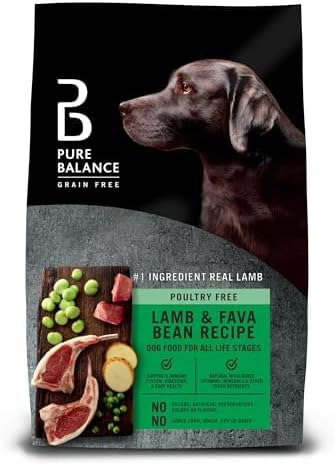
Just like humans, pets can have unique dietary requirements based on their age, health conditions, breed, and lifestyle. Understanding these special diet needs is crucial for maintaining your pet's health and wellbeing. According to the American Animal Hospital Association, nutrition is the foundation of pet health and should be assessed at every veterinary visit.
This comprehensive guide will help you identify when your pet needs a special diet, understand the different types of therapeutic foods available, and learn how to work with your veterinarian to create the best nutrition plan for your furry friend. For more information on general pet nutrition, check out our complete guide to pet nutrition.
Table of Contents

Identifying When Your Pet Needs a Special Diet
Recognizing the signs that your pet may need a special diet is the first step toward better health. According to the World Small Animal Veterinary Association, nutritional assessment should be part of every veterinary examination.
Common Signs Your Pet May Need a Diet Change
Skin and Coat Issues
Dull coat, excessive shedding, dry skin, itching, or recurrent skin infections can indicate food allergies or nutritional deficiencies.
Possible Solutions:
- Limited ingredient diets
- Novel protein sources
- Omega-3 fatty acid supplements
Digestive Problems
Chronic vomiting, diarrhea, gas, or constipation may indicate food intolerance, inflammatory bowel disease, or pancreatic issues.
Possible Solutions:
- Highly digestible diets
- Prescription gastrointestinal foods
- Probiotic supplements
Weight Issues
Unexplained weight loss or gain, difficulty maintaining ideal body condition, or obesity-related health problems.
Possible Solutions:
- Weight management formulas
- Calorie-controlled portions
- Increased fiber for satiety
Energy Level Changes
Lethargy, decreased activity, or changes in behavior may indicate nutritional deficiencies or metabolic disorders.
Possible Solutions:
- Higher quality protein sources
- Balanced vitamin/mineral supplements
- Metabolic support diets
Important Note
Always consult with your veterinarian before making significant changes to your pet's diet. Many symptoms can indicate serious medical conditions that require proper diagnosis and treatment. Your vet can recommend appropriate diagnostic tests and help you choose the right therapeutic diet for your pet's specific needs. For more guidance, check our pet health resources.
Food Allergies and Sensitivities
Food allergies and sensitivities are common reasons pets need special diets. According to a study published in BMC Veterinary Research, food allergies affect approximately 1-2% of dogs and cats, with certain breeds being more predisposed.

Common Food Allergens
- Proteins: Beef, chicken, dairy, eggs, soy, and wheat are the most common allergens in pets
- Grains: While less common than protein allergies, some pets are sensitive to corn, wheat, or soy
- Additives: Artificial colors, flavors, and preservatives can cause reactions in sensitive pets
Diagnosing Food Allergies
The gold standard for diagnosing food allergies is an elimination diet trial, which involves:
- Feeding a novel protein source (one your pet has never eaten before) or hydrolyzed protein diet for 8-12 weeks
- Eliminating all other foods, treats, and flavored medications during this period
- Slowly reintroducing potential allergens one at a time to identify triggers
Important
Elimination diets should always be conducted under veterinary supervision to ensure your pet receives balanced nutrition during the trial period. Never attempt a homemade elimination diet without guidance from a veterinary nutritionist. For help finding the right food for your pet with allergies, check our hypoallergenic food options.
Weight Management Diets
Obesity is one of the most common nutritional disorders in pets, affecting approximately 25-30% of the general pet population according to the Association for Pet Obesity Prevention. Excess weight can lead to serious health problems including diabetes, arthritis, heart disease, and reduced lifespan.
Types of Weight Management Diets
- Reduced-calorie formulas: Lower in fat and calories while maintaining essential nutrients
- High-fiber diets: Increased fiber content helps pets feel full while consuming fewer calories
- Metabolic support diets: Formulated to support healthy metabolism and promote fat loss while preserving lean muscle mass
- Prescription weight loss diets: Veterinary therapeutic diets for significant weight issues
Pro Tip
Weight loss in pets should be gradual - typically 1-2% of body weight per week. Rapid weight loss can be dangerous and may lead to other health problems. Work with your veterinarian to establish a safe weight loss plan that includes both dietary changes and increased physical activity. For weight management tools, check our weight management section.
Medical Condition-Specific Diets
Many medical conditions require specialized nutritional support. Therapeutic veterinary diets are formulated to help manage specific health issues and can be an important part of your pet's treatment plan.
Kidney Disease
Pets with kidney disease benefit from diets that are:
- Lower in phosphorus to reduce strain on the kidneys
- Moderate in high-quality protein - enough to maintain muscle mass but not excess that creates waste products
- Higher in omega-3 fatty acids to reduce inflammation
- Formulated to maintain proper electrolyte balance
According to the International Renal Interest Society, dietary management is a cornerstone of chronic kidney disease treatment in pets.
Urinary Health
Pets with urinary issues such as crystals, stones, or FLUTD (Feline Lower Urinary Tract Disease) may require diets that:
- Control urinary pH to prevent crystal formation
- Restrict certain minerals that contribute to stone formation
- Encourage water consumption through wet food or increased moisture content
Digestive Issues
For pets with gastrointestinal problems, specialized diets typically feature:
- Highly digestible ingredients to reduce digestive workload
- Prebiotics and probiotics to support healthy gut flora
- Novel or hydrolyzed proteins for pets with food sensitivities
- Increased fiber for pets with constipation or diarrhea
Diabetes
Diabetic pets benefit from diets that help regulate blood sugar levels, typically featuring:
- Complex carbohydrates that are slowly digested to prevent blood sugar spikes
- Consistent feeding schedules and portion sizes
- Higher fiber content to slow glucose absorption
- Appropriate calorie content to maintain ideal body weight

Age-Specific Nutrition
Pets have different nutritional needs at various life stages. Understanding these changing requirements is essential for lifelong health.
Puppy and Kitten Formulas
Young animals need diets that support rapid growth and development:
- Higher protein and fat content for energy and growth
- Balanced calcium and phosphorus for proper bone development
- DHA for brain and vision development
- Smaller kibble size for easier chewing
Adult Maintenance Diets
Once pets reach adulthood (typically 1-7 years depending on breed and species), they need balanced nutrition to maintain optimal health:
- Appropriate calorie content to maintain ideal body weight
- High-quality protein for muscle maintenance
- Essential fatty acids for skin and coat health
- Antioxidants to support immune function
Senior Formulas
As pets age, their nutritional needs change again:
- Fewer calories to prevent weight gain as metabolism slows
- Higher quality, easily digestible protein to maintain muscle mass
- Joint support nutrients like glucosamine and chondroitin
- Adjustments for age-related health conditions
Transition Tip
When switching between life stage formulas, transition gradually over 7-10 days by mixing increasing amounts of the new food with the old food. This helps prevent digestive upset and allows your pet to adjust to the new diet..
Breed-Specific Considerations
Certain breeds have unique nutritional requirements or predispositions to specific health issues that can be managed through diet.
Large and Giant Breeds
Large breed dogs like Great Danes, German Shepherds, and Labrador Retrievers have specific needs:
- Controlled calcium and phosphorus levels to support proper bone development
- Calorie-controlled formulas to prevent rapid growth
- Joint support nutrients to help prevent developmental orthopedic diseases
Small Breeds
Small breed dogs like Chihuahuas, Yorkshire Terriers, and Pomeranians have different requirements:
- Higher calorie density to meet energy needs in small portions
- Smaller kibble size for easier chewing
- Dental health support to combat dental issues common in small breeds
Brachycephalic Breeds
Flat-faced breeds like Bulldogs, Pugs, and Persian cats may benefit from:
- Specially shaped kibble that's easier to pick up and chew
- Highly digestible formulas to reduce gas and digestive issues
- Weight management support as these breeds are prone to obesity
Transitioning to a Special Diet
Changing your pet's food requires a gradual approach to prevent digestive upset and help your pet accept the new diet.
The 7-10 Day Transition Method
- Days 1-2: Mix 25% new food with 75% current food
- Days 3-4: Mix 50% new food with 50% current food
- Days 5-6: Mix 75% new food with 25% current food
- Days 7+: Feed 100% new food
Tips for Picky Eaters
- Warm the food slightly to enhance aroma
- Add a small amount of low-sodium broth or warm water
- Try different textures (wet vs. dry)
- Be patient - it can take several weeks for some pets to accept a new diet
Homemade and Raw Diets
Some pet owners choose to prepare homemade or raw diets for their pets with special needs. While these diets offer control over ingredients, they require careful planning to ensure nutritional adequacy.
Considerations for Homemade Diets
- Nutritional balance: Homemade diets must be carefully formulated to provide all essential nutrients in the right proportions
- Food safety: Proper handling and storage are crucial to prevent foodborne illness
- Veterinary guidance: Always work with a veterinary nutritionist when creating homemade diets
- Supplementation: Most homemade diets require specific supplements to meet nutritional needs
Safety First
Raw diets carry additional risks of bacterial contamination for both pets and humans in the household. The American Veterinary Medical Association discourages feeding raw or undercooked animal-source protein to cats and dogs due to these risks. If you choose a raw diet, follow strict food safety protocols and consult with your veterinarian.
Final Thought
Special diets can significantly improve your pet's quality of life when tailored to their specific needs. Remember that nutrition is not one-size-fits-all, and what works for one pet may not be appropriate for another. Regular veterinary check-ups, careful monitoring, and patience are key to successfully managing your pet's special dietary needs. For more resources, explore our complete blog.