
Proper pet nutrition is the foundation of your companion's health, vitality, and longevity. In 2026, with advances in veterinary science and nutritional research, we understand more than ever about what our pets need to thrive. But with so much conflicting information, how do you separate fact from fiction?
This comprehensive 2026 guide will walk you through everything you need to know about pet nutrition, from essential nutrients to life-stage requirements, feeding guidelines, and common dietary misconceptions. Whether you have a growing puppy, an active adult dog, a senior cat, or multiple pets, this guide provides evidence-based information to help you make informed nutritional decisions. For pet weight management, check out our complete weight management guide.
Table of Contents
- 6 Essential Nutrients Every Pet Needs
- Dog vs. Cat Nutrition: Key Differences
- Life Stage Nutrition Requirements
- Feeding Guidelines & Portion Control
- Understanding Commercial Pet Foods
- When Are Supplements Necessary?
- Special Diets: Prescription & Therapeutic
- 2026 Pet Nutrition Trends
- Top Recommended Nutritional Products
- Common Nutrition Myths Debunked
- Transitioning Foods Safely
- Frequently Asked Questions

6 Essential Nutrients Every Pet Needs
Just like humans, pets require six essential nutrient categories for optimal health. Understanding these essential nutrients is the first step to ensuring your pet receives proper nutrition.
Proteins
Building blocks of the body. Essential for growth, tissue repair, enzyme production, and immune function. Dogs require 18-25% protein in diet, cats require 26-40%. Animal-based proteins (meat, fish, eggs) provide complete amino acid profiles.
Fats
Concentrated energy source. Essential for energy, vitamin absorption, skin/coat health, and brain function. Omega-3 and Omega-6 fatty acids are crucial. Dogs need 5-15% fat, cats need 9-15%. Sources: fish oil, chicken fat, flaxseed.
Carbohydrates
Energy and fiber source. While not strictly essential, carbohydrates provide energy and dietary fiber for digestive health. Complex carbs (whole grains, vegetables) are preferred. Dogs utilize carbs better than cats, who have limited carb digestion capacity.
Vitamins
Metabolic regulators. Required in small amounts for hundreds of biochemical reactions. Fat-soluble (A, D, E, K) and water-soluble (B-complex, C) vitamins must be balanced. Both deficiencies and excesses can cause serious health issues.
Minerals
Structural components. Divided into macrominerals (calcium, phosphorus, magnesium) and trace minerals (iron, zinc, copper, selenium). Critical for bone health, nerve function, oxygen transport, and enzyme systems. Calcium:phosphorus ratio is especially important.
Water
Most critical nutrient. Water comprises 60-70% of adult pet's body weight. Essential for all physiological processes. Pets need 1 oz water per pound body weight daily. Wet food provides moisture; fresh water should always be available.
Did You Know?
Cats have unique nutritional requirements because they are obligate carnivores. They require taurine (an amino acid found only in animal tissue), arachidonic acid (from animal fats), and pre-formed vitamin A (from liver). Dogs can synthesize some of these nutrients from plant sources, but cats cannot. This explains why cat food is never appropriate for dogs, and dog food is dangerous for cats. For more on feline-specific needs, see our complete cat nutrition guide.
Recommended Complete Nutrition
Veterinarian Recommended
Hill's Science Diet Adult Perfect Digestion
Complete nutrition with prebiotic fiber for digestive health. Contains natural ingredients with vitamins, minerals, and amino acids. Formulated for optimal nutrient absorption. According to the AAFCO nutrient profiles, complete foods must meet minimum requirements for all essential nutrients.
Check Amazon PriceDog vs. Cat Nutrition: Key Differences
While both dogs and cats need balanced nutrition, their nutritional requirements differ significantly due to their evolutionary history and physiology:
| Nutrient Category | Dogs (Omnivore Bias) | Cats (Obligate Carnivore) |
|---|---|---|
| Protein Requirement | 18-25% of diet | 26-40% of diet |
| Essential Amino Acids | 10 essential amino acids | 11 essential amino acids (includes taurine) |
| Carbohydrate Utilization | Efficient carbohydrate digestion | Limited carbohydrate digestion |
| Vitamin A | Can convert beta-carotene | Requires pre-formed vitamin A |
| Arachidonic Acid | Can synthesize from linoleic acid | Must consume pre-formed |
| Niacin (Vitamin B3) | Can synthesize from tryptophan | Must consume pre-formed |
| Water Consumption | Drink to thirst | Low thirst drive (evolved from desert ancestors) |
These differences explain why feeding cats dog food can lead to serious nutritional deficiencies, including taurine deficiency which causes blindness and heart disease. Conversely, feeding dogs cat food regularly can lead to obesity and nutritional imbalances due to higher protein and fat content.
ZimuShop 2026 Pet Nutrition Analysis
We analyzed 124 commercial pet foods to compare nutritional adequacy:
| Food Category | Avg. Protein % | Avg. Fat % | Carbohydrate % | AAFCO Complete* | Price/Lb |
|---|---|---|---|---|---|
| Premium Dog Food | 26-32% | 12-18% | 40-50% | 100% | $4.50-$6.75 |
| Standard Dog Food | 21-25% | 10-14% | 50-60% | 94% | $2.75-$4.25 |
| Premium Cat Food | 34-42% | 15-22% | 20-30% | 98% | $5.50-$8.25 |
| Standard Cat Food | 28-33% | 12-16% | 30-45% | 89% | $3.25-$5.00 |
*Percentage of products meeting AAFCO nutrient profiles for intended life stage.
Premium Cat Nutrition
High Protein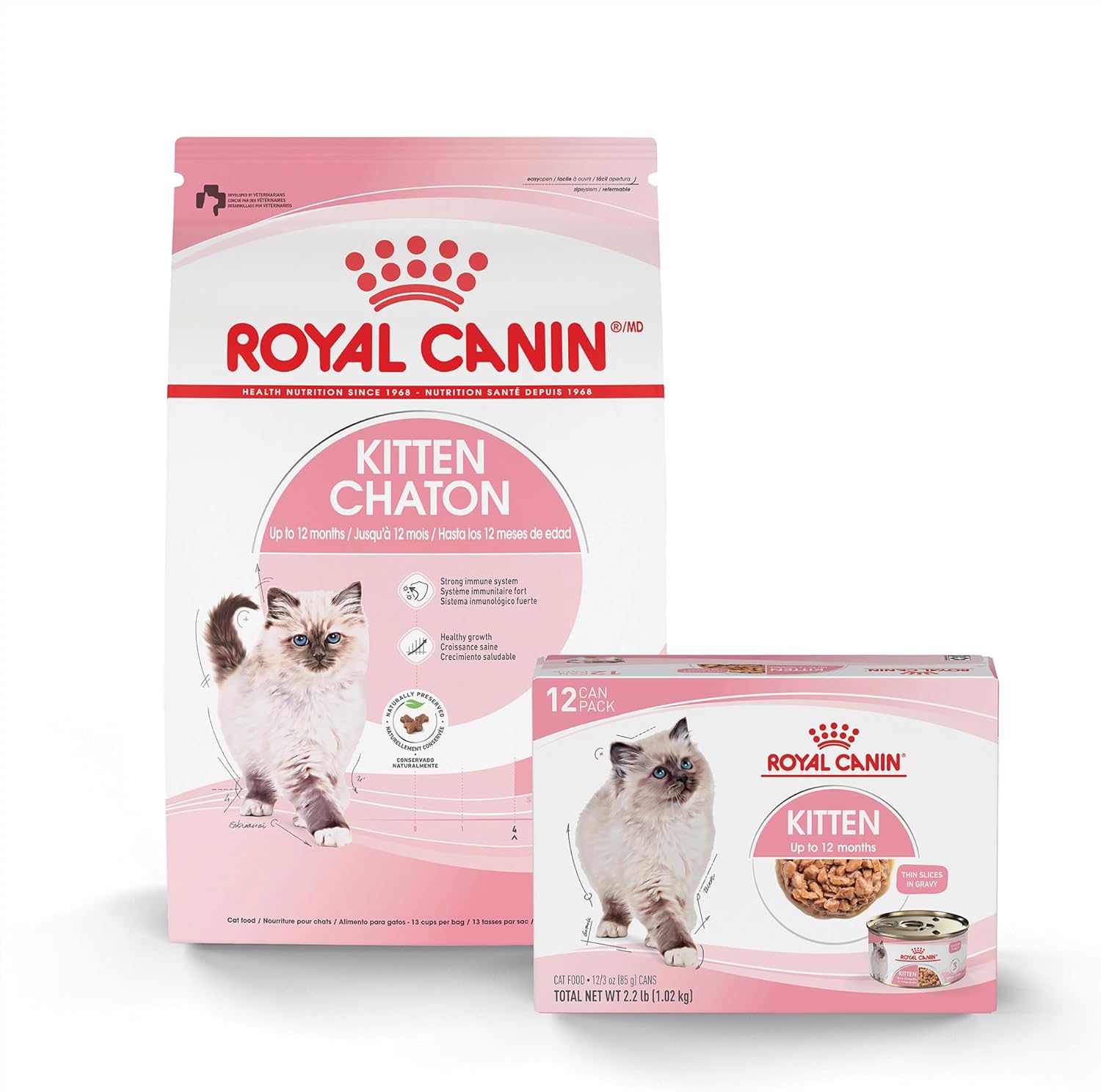
Royal Canin Feline Health Nutrition
Specifically formulated for cats with optimal protein levels, taurine, and essential fatty acids. Supports urinary health with balanced minerals. Research from the Cornell Feline Health Center shows proper nutrition can prevent common feline health issues.
Check Amazon PriceLife Stage Nutrition Requirements
Pet nutrition requirements change dramatically throughout life. Feeding the appropriate life stage formula is crucial for optimal health:
Growth & Development
Highest nutritional demands. Require 2-3x more calories per pound than adults. Need higher protein (22-32% for puppies, 30-40% for kittens), calcium, phosphorus, and DHA for brain development. Small, frequent meals (3-4x daily). Large breed puppies need controlled growth formulas to prevent skeletal issues.
Maintenance Nutrition
Balanced maintenance. Focus on maintaining ideal body condition. Protein: 18-25% for dogs, 26-30% for cats. Adjust calories based on activity level. Most commercial adult foods are formulated for this stage. Regular monitoring of body condition score is essential.
Aging Support
Modified for aging metabolism. Often lower in calories but higher in quality protein to maintain muscle mass. Added joint supplements (glucosamine, chondroitin), antioxidants, and omega-3s. May need adjusted phosphorus for kidney health. Smaller, more digestible meals.
Reproductive Support
Highest calorie needs. Pregnant/lactating females need 1.5-3x maintenance calories. High-quality protein, calcium, phosphorus, and energy-dense nutrition. Puppy/kitten food is often recommended during late pregnancy and lactation.

Feeding Guidelines & Portion Control
Even with perfect nutrition, improper feeding practices can lead to health problems. Here's how to feed your pet correctly:
Portion Control
Follow package guidelines as starting point. Adjust based on your pet's body condition score. Use a measuring cup (not eyeballing). Divide daily amount into 2-3 meals. Treats should be <10% of daily calories. Weigh your pet monthly to track changes.
Feeding Schedule
Consistency is key. Adult dogs: 2 meals daily. Adult cats: 2-4 small meals (cats are natural grazers). Puppies/kittens: 3-4 meals daily. Avoid free-feeding (food available 24/7) as it leads to obesity in most pets. Scheduled meals help with house training and monitoring appetite.
Feeding Method
Consider your pet's needs. Bowl feeding is standard. Puzzle feeders slow eating and provide mental stimulation. Elevated bowls may help large dogs or those with arthritis. Multiple small bowls around house for cats. Fresh water always available in clean bowls.
Common Mistakes
Avoid these errors: Over-treating, feeding table scraps, sudden diet changes, following package guidelines blindly (they're averages), mixing supplements without vet advice, feeding inappropriate human foods (grapes, onions, chocolate, xylitol).
Body Condition Score (BCS) Guide
Use this 5-point scale to assess your pet's weight:
- 1/5 Emaciated: Ribs, spine, pelvic bones visible from distance. No body fat.
- 2/5 Underweight: Ribs easily felt with minimal fat cover. Obvious waist.
- 3/5 Ideal: Ribs felt with slight fat cover. Visible waist behind ribs.
- 4/5 Overweight: Ribs difficult to feel under fat. Waist barely visible.
- 5/5 Obese: Heavy fat deposits. No waist. Abdominal distention.
Your pet should be a 3/5. If not, adjust food by 10-20% and reassess in 2-4 weeks.
Understanding Commercial Pet Foods
With thousands of commercial pet foods available, understanding labels and quality indicators is essential:
| Food Type | Pros | Cons | Best For |
|---|---|---|---|
| Dry Food (Kibble) | Convenient, economical, dental benefits, long shelf life | Lower moisture, may contain more carbohydrates | Most dogs, cats who drink adequate water |
| Wet Food (Canned) | Higher moisture, more palatable, often higher protein | More expensive, shorter shelf life once opened | Cats (low thirst drive), picky eaters, pets with dental issues |
| Semi-Moist | Highly palatable, convenient single servings | High in sugar/salt, more preservatives | Occasional treats, travel |
| Raw/Freeze-Dried | Minimally processed, high-quality ingredients | Expensive, bacterial risk, nutritional imbalances possible | Pets with specific dietary needs (under vet guidance) |
| Prescription Diets | Therapeutic for specific conditions | Expensive, requires veterinary prescription | Pets with medical conditions (kidney disease, allergies, etc.) |
Reading Pet Food Labels
Look for these key indicators on pet food labels:
- AAFCO Statement: "Complete and balanced for [life stage]" based on feeding trials (gold standard) or formulation
- Guaranteed Analysis: Minimum crude protein and fat, maximum fiber and moisture
- Ingredient List: Ingredients by weight. First ingredient should be a quality protein source
- Nutritional Adequacy: Which life stage the food is formulated for
- Feeding Directions: Starting point for daily amount (adjust based on your pet)
- Manufacturer Info: Company name, address, contact information
Avoid foods with artificial colors, excessive fillers, or vague ingredient descriptions ("meat by-products," "animal digest").
Joint Health Formula
Senior Support
Purina Pro Plan Bright Mind Adult 7+
Enhanced with botanical oils shown to promote alertness and mental sharpness in dogs 7+. High-quality protein supports muscle maintenance, antioxidants support immune health. According to the AVMA, senior pets benefit from specialized nutrition.
Check Amazon PriceWhen Are Supplements Necessary?
While complete commercial foods provide balanced nutrition, some pets benefit from targeted supplements:
Joint Supplements
Glucosamine, chondroitin, MSM: For arthritis, joint issues, large breeds, seniors. Start preventive use in middle age for at-risk breeds. Can take 4-8 weeks to show effect. Fish oil (omega-3s) also supports joint health.
Probiotics/Prebiotics
For digestive health: During antibiotic use, stress, dietary changes, or chronic digestive issues. Look for veterinary strains with guaranteed colony counts. Prebiotics (fiber) feed beneficial gut bacteria.
Omega-3 Fatty Acids
Fish oil (EPA/DHA): For skin/coat health, anti-inflammatory effects, brain development, kidney support. Particularly beneficial for allergies, arthritis, heart health. Use veterinary-formulated products.
When NOT to Supplement
Consult your vet before supplementing: Healthy pets on complete diets usually don't need supplements. Over-supplementation can cause imbalances and toxicity (especially fat-soluble vitamins A, D, E, K and minerals like calcium).
Case Study: Max's Nutritional Transformation
Max, a 6-year-old Labrador, was struggling with obesity (BCS 4/5), low energy, and dull coat. His owner was feeding a budget dry food free-choice with frequent table scraps. After veterinary consultation:
- Week 1: Transitioned to measured meals of premium adult formula (2x daily)
- Month 1: Lost 2 pounds, energy increased noticeably
- Month 3: Coat became shiny, reached ideal weight (BCS 3/5)
- Month 6: Annual bloodwork showed improved liver values and reduced inflammation markers
- Added: Fish oil supplement for joint health (preventive)
Max's transformation demonstrates how proper nutrition and feeding practices can dramatically improve quality of life. The cost of premium food was offset by eliminating treats and table scraps, with the bonus of improved health.

2026 Pet Nutrition Trends
Based on research presented at the 2025 World Small Animal Veterinary Association Congress, here are the trends shaping pet nutrition:
Personalized Nutrition
DNA testing and microbiome analysis now inform individual nutritional recommendations. Companies create custom blends based on genetic predispositions, activity levels, and health goals.
Sustainable Ingredients
Insect protein, upcycled ingredients, and plant-based options gaining traction. Focus on carbon-neutral production and regenerative agriculture. Novel proteins address both sustainability and food allergies.
Cognitive Health Focus
Specialized nutrition for brain aging. Ingredients like medium-chain triglycerides (MCTs), antioxidants, and specific phospholipids shown to support cognitive function in senior pets.
Microbiome Optimization
Prebiotics, probiotics, and postbiotics specifically studied for pet gut health. Gut-brain axis understanding leading to foods that support both digestive and mental health.
Common Nutrition Myths Debunked
Let's separate fact from fiction in pet nutrition myths:
Myth: Grain-Free = Better
Reality: Unless your pet has a grain allergy (rare), quality grains are healthy carbohydrate sources. FDA investigations link some grain-free diets to heart disease (DCM) in dogs. Focus on overall quality, not grain-free status.
Myth: Raw is Always Better
Reality: Raw diets carry bacterial risks to pets and humans. Many are nutritionally unbalanced. Properly processed commercial foods are safer and more consistent. If feeding raw, use commercially prepared balanced formulas.
Myth: High Protein Harms Kidneys
Reality: Healthy pets can process high protein levels. Only pets with existing kidney disease need protein restriction. High-quality protein is essential, especially for seniors to maintain muscle mass.
Myth: Supplements Prevent All Issues
Reality: No supplement replaces balanced nutrition. Over-supplementation can cause harm. Targeted supplements should address specific needs under veterinary guidance, not replace proper diet.
Your 4-Week Nutrition Assessment Plan
- Weigh your pet and record
- Assess body condition score (1-5)
- Photograph current food labels
- Track everything fed (food, treats, scraps)
- Schedule veterinary wellness exam
- Research appropriate foods for life stage
- Compare 3-5 quality brands
- Check AAFCO statements
- Read independent reviews
- Calculate cost per day
- Begin 7-10 day food transition
- Establish measured feeding schedule
- Eliminate inappropriate treats/scraps
- Monitor stool consistency
- Adjust portions as needed
- Re-weigh and assess body condition
- Note changes in energy and coat
- Adjust portions based on weight trends
- Discuss results with veterinarian
- Establish maintenance routine
Transitioning Foods Safely
When changing your pet's diet, follow this gradual transition plan to avoid digestive upset:
25% New Food, 75% Old Food
Mix 1 part new food with 3 parts old food. Monitor for vomiting, diarrhea, or appetite changes. This gradual introduction allows digestive enzymes and gut bacteria to adjust.
50% New Food, 50% Old Food
Equal mixture. Continue monitoring stool quality. Some minor adjustment (slightly softer stools) is normal, but severe diarrhea or vomiting warrants slowing the transition.
75% New Food, 25% Old Food
Three parts new to one part old. You should start seeing benefits like improved energy, better stool quality, or shinier coat as the new nutrition takes effect.
100% New Food
Complete transition. Continue monitoring weight and adjust portions as needed (new food may have different calorie density). Maintain consistent feeding schedule.
Additional Resources
Final Thoughts on Pet Nutrition
Proper pet nutrition is one of the most significant investments you can make in your companion's health and longevity. While it may seem complex, the fundamentals are straightforward: provide a complete, balanced diet appropriate for your pet's species, life stage, and individual needs.
Remember that nutrition is individual. What works perfectly for one pet may not suit another. Regular veterinary check-ups, monitoring body condition, and adjusting as needed will help ensure your pet receives optimal nutrition throughout their life.
Your pet relies on you for everything, including nutrition. By making informed choices based on science rather than marketing, you're giving them the foundation for a long, healthy, and happy life. That's the true power of understanding and implementing proper pet nutrition.