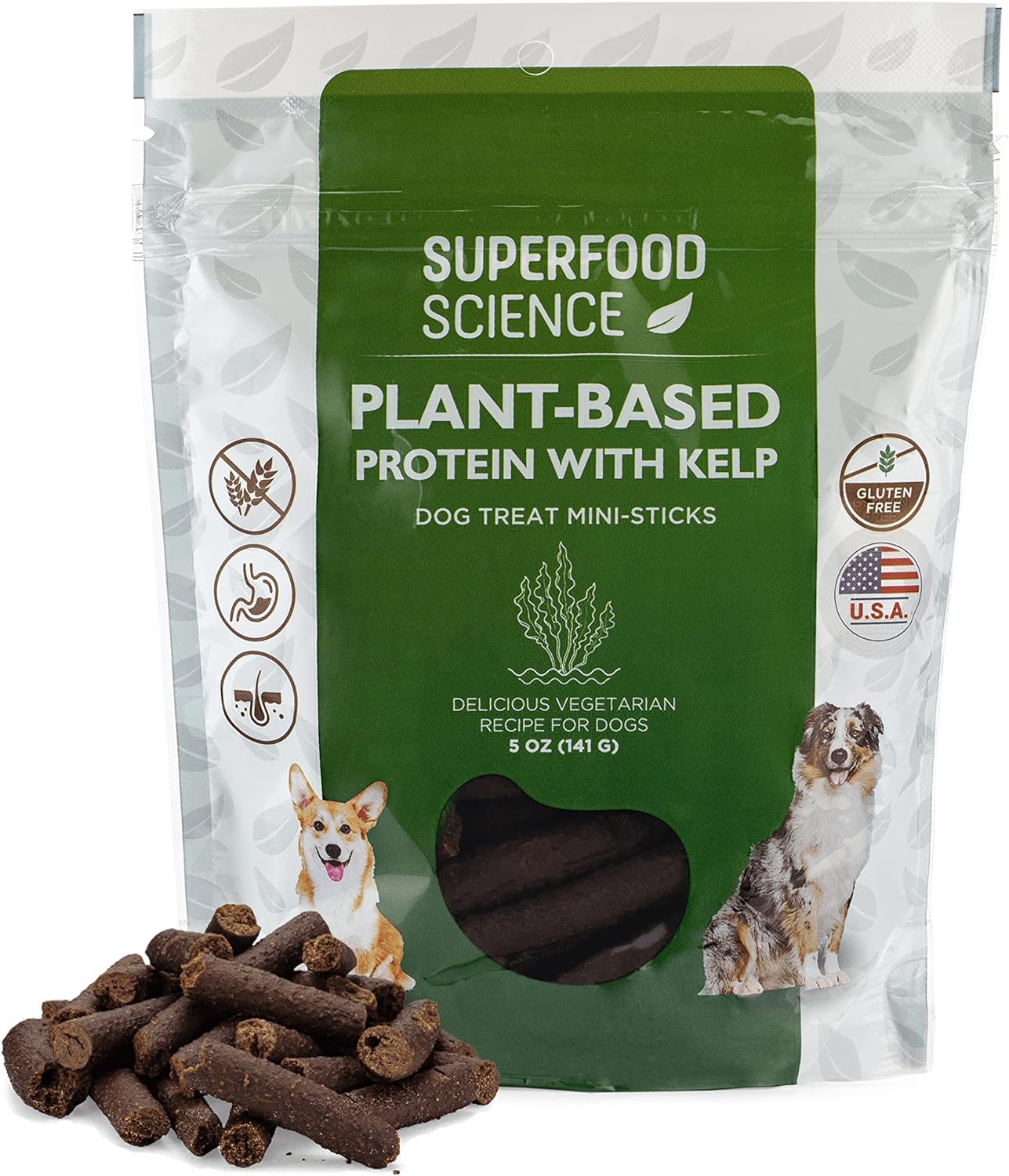
Grain-free pet food has become one of the most popular trends in pet nutrition over the past decade. Marketed as a more natural, ancestral diet for dogs and cats, these foods have captured the attention of pet owners seeking optimal health for their furry companions. But what does "grain-free" really mean, and is it the right choice for your pet?
This comprehensive guide will explore the science behind grain-free diets, examine the benefits and potential risks, and provide practical advice for making informed decisions about your pet's nutrition.
Table of Contents

What Is Grain-Free Pet Food?
Grain-free pet food is exactly what it sounds like: food formulated without common cereal grains like wheat, corn, rice, barley, oats, or rye. Instead, these foods typically use alternative carbohydrate sources such as:
Potatoes
White potatoes, sweet potatoes, or potato starch are common grain-free carbohydrate sources that provide energy and fiber.
Legumes
Peas, lentils, chickpeas, and other legumes provide protein and carbohydrates while being grain-free.
Tapioca
Derived from cassava root, tapioca is a starchy carbohydrate that helps bind ingredients together in grain-free formulas.
Other Vegetables
Pumpkin, carrots, peas, and other vegetables can serve as carbohydrate sources in grain-free diets.
It's important to note that "grain-free" doesn't mean "carbohydrate-free." All pets need some carbohydrates for energy, and grain-free foods simply use non-grain sources. For a deeper dive into pet nutrition basics, explore our pet nutrition guide.
Potential Benefits of Grain-Free Diets
When chosen appropriately for the right pet, grain-free diets can offer several potential benefits:
1. Food Allergies and Sensitivities
While true grain allergies are relatively rare in pets (affecting less than 1% of dogs and cats), some animals do have sensitivities to specific grains. The American Kennel Club notes that grain-free diets can benefit pets with confirmed grain allergies or intolerances.
2. Reduced Carbohydrate Content
Some grain-free foods have lower carbohydrate levels than their grain-containing counterparts, which may benefit pets with diabetes or those needing weight management. However, this varies greatly between brands and formulas.
3. Alternative Protein Sources
Many grain-free foods feature novel protein sources like duck, venison, or salmon, which can be beneficial for pets with common protein allergies (like chicken or beef).
Pro Tip
If you suspect your pet has a food allergy, consult with a veterinarian before switching to grain-free. They can help identify the specific allergen through elimination diets or testing. Food allergies are more commonly caused by proteins than grains.
The DCM Controversy: Understanding the Risks
In 2018, the U.S. Food and Drug Administration (FDA) released a statement about a potential link between certain grain-free diets and dilated cardiomyopathy (DCM), a serious heart condition. According to the FDA's ongoing investigation, the issue appears to be more complex than simply being "grain-free."

Current Understanding of the DCM Issue
- Not all grain-free foods are implicated: The FDA's investigation focuses on diets containing high levels of peas, lentils, legumes, or potatoes as main ingredients.
- Breed predisposition: Certain breeds like Golden Retrievers, Doberman Pinschers, and Great Danes may be more susceptible.
- Taurine deficiency: Some affected dogs showed low taurine levels, an amino acid essential for heart health.
- Multifactorial issue: Current research suggests DCM development may involve multiple factors including genetics, specific ingredients, and nutrient bioavailability.
Important Safety Note
If your pet is on a grain-free diet, especially if they're a breed predisposed to DCM, consult with your veterinarian about monitoring their heart health. Regular check-ups and discussing any dietary changes with your vet are crucial. Never abruptly change your pet's diet without professional guidance.
Who Should Consider Grain-Free Food?
Grain-free diets aren't necessarily better or worse than grain-inclusive diets—they're simply different. Here's when grain-free might be appropriate:
Pets with Confirmed Grain Allergies
If your veterinarian has diagnosed a specific grain allergy through elimination diet trials, grain-free food may be necessary.
Novel Protein Requirements
For pets allergic to common proteins, grain-free formulas often offer alternative protein sources like duck, venison, or fish.
Owner Dietary Philosophy
Some owners prefer grain-free based on personal beliefs about pet nutrition, though this should be balanced with veterinary advice.
Specific Health Conditions
Under veterinary guidance, some conditions like certain digestive issues may benefit from grain-free diets.
How to Choose a Quality Grain-Free Food
If you decide that grain-free is right for your pet, choosing a high-quality formula is essential. Here's what to look for:
Reading Pet Food Labels
Understanding pet food labels can help you make better choices. Look for:
- AAFCO Statement: Ensures the food meets minimum nutritional standards
- Named protein sources: "Chicken meal" or "salmon" rather than generic "meat meal"
- Whole food ingredients: Real meats, vegetables, and fruits early in the ingredient list
- Manufacturer transparency: Company provides detailed nutritional information
Key Ingredients to Look For
- High-quality animal proteins: Named meats like chicken, beef, fish, or lamb as first ingredients
- Healthy fats: Sources like chicken fat, fish oil, or flaxseed
- Digestible carbohydrates: Sweet potatoes, peas, or chickpeas rather than fillers
- Added taurine: Especially important in grain-free dog foods given DCM concerns
- Probiotics and prebiotics: For digestive health support
- Omega fatty acids: For skin, coat, and overall health
Ingredients to Approach with Caution
- Excessive legumes: Foods where peas, lentils, or chickpeas are multiple of the first ingredients
- Artificial preservatives: BHA, BHT, ethoxyquin
- Artificial colors and flavors: Unnecessary additives
- Generic meat meals: Unspecified sources like "animal meal" or "poultry by-product meal"

Transitioning to a Grain-Free Diet
If you and your veterinarian decide to switch to grain-free food, a gradual transition is essential to avoid digestive upset:
The 7-Day Transition Plan
Days 1-2: 25% new food, 75% old food
Days 3-4: 50% new food, 50% old food
Days 5-6: 75% new food, 25% old food
Day 7: 100% new food
Monitor your pet for any signs of digestive upset, and slow the transition if needed. Some pets with sensitive stomachs may need a 10-14 day transition period.
Grain-Free Alternatives to Consider
If you're concerned about the DCM issue but still want to avoid grains, consider these alternatives:
- Limited ingredient diets: Formulas with fewer components to minimize potential allergens
- Novel protein diets: Foods featuring uncommon protein sources your pet hasn't been exposed to
- Home-cooked or raw diets: Prepared under veterinary guidance to ensure nutritional completeness
- Hydrolyzed protein diets: Proteins broken down into smaller components that are less likely to trigger allergies
Final Recommendation
The best diet for your pet is one that meets their individual nutritional needs, supports their health goals, and is formulated by reputable companies with strong quality control. Whether you choose grain-free or grain-inclusive, focus on high-quality ingredients, appropriate life stage formulation, and your pet's specific health requirements. Regular veterinary check-ups and open communication with your vet about diet choices are the most important factors in your pet's nutritional health.