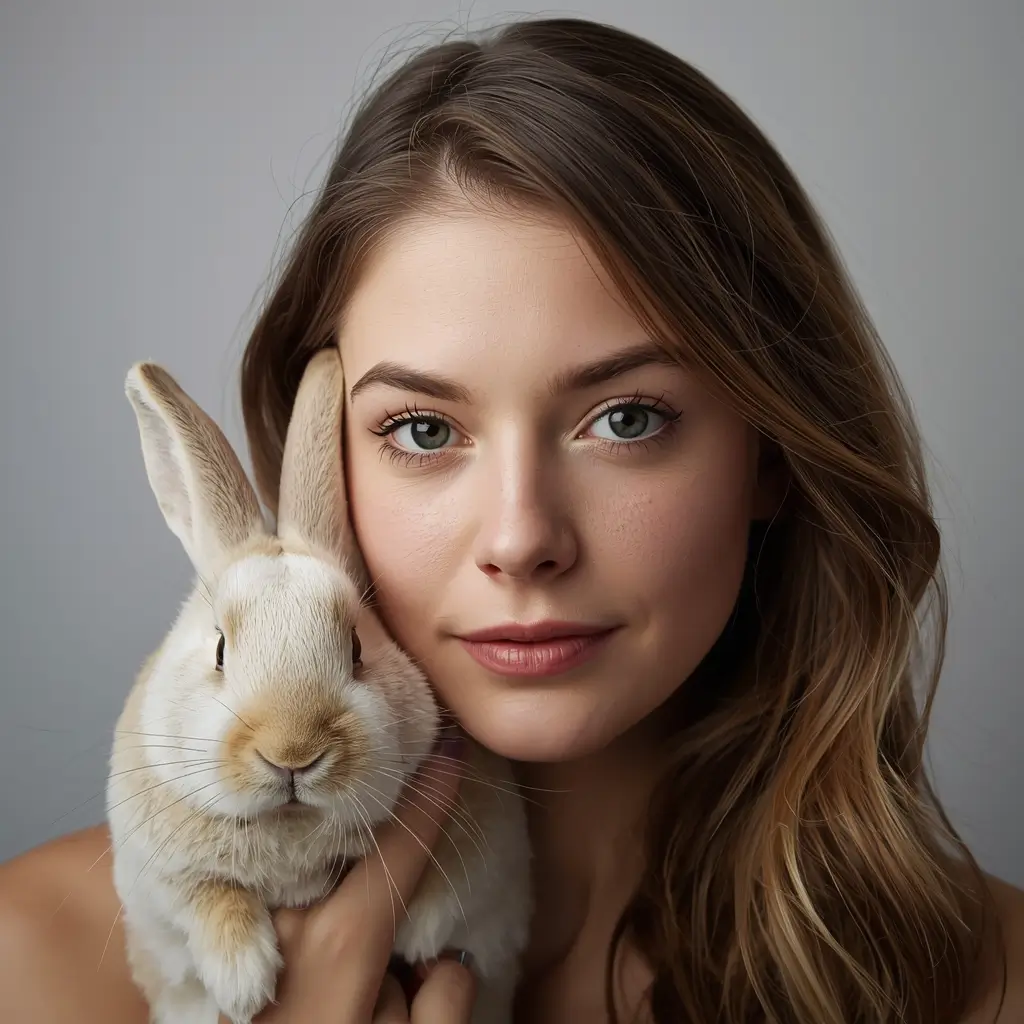
Small Pet Space Guide: Creating the Perfect Habitat

Proper space requirements are crucial for the health and wellbeing of small pets. Many common enclosures sold in pet stores are actually too small for the animals they're marketed for, leading to stress, boredom, and health issues.

This comprehensive guide will help you understand the minimum space requirements for different small pets, learn how to create enriching environments, and discover setup tips that promote natural behaviors and overall wellbeing. For more information on small pet care, check out our complete guide to small pet care.

Proper small pet habitat setup
Image credit: Unsplash
Advertisement

Why Proper Space Matters

Adequate space is not just about comfort it's essential for physical health, mental stimulation, and natural behavior expression. According to the Humane Society, proper housing is one of the most important factors in small pet welfare.

The Importance of Adequate Space

Proper space impacts multiple aspects of your small pet's life:

Physical Health

Sufficient space allows for exercise, preventing obesity and related health issues. It also reduces stress that can compromise the immune system.

Benefits:

  • Prevents obesity
  • Supports joint health
  • Reduces stress-related illness

Mental Health

Enough space enables environmental enrichment that prevents boredom, depression, and stereotypic behaviors like bar chewing or excessive grooming.

Benefits:

  • Prevents boredom
  • Reduces stress
  • Prevents destructive behaviors

Natural Behaviors

Small pets need space to express natural behaviors like running, jumping, digging, foraging, and establishing territories essential for their wellbeing.

Behaviors Supported:

  • Running & exploring
  • Foraging & digging
  • Social interactions

Social Needs

For social species like guinea pigs and rats, adequate space allows for proper social dynamics, preventing conflicts and supporting healthy relationships.

Social Species:

  • Guinea pigs
  • Rats
  • Some rabbit pairs

Pro Tip

Always research the specific needs of your pet species before purchasing an enclosure. What works for one type of small pet may be completely inappropriate for another.

Minimum Space Requirements

While specific requirements vary by species, there are general principles that apply to most small pets. The ASPCA provides excellent resources for small pet care standards.

Measuring pet enclosure space
Image credit: Unsplash
Advertisement

General Space Guidelines

  • Floor space matters most: Height is less important than uninterrupted floor space for most small pets
  • More is always better: Minimum requirements are exactly that minimums. Larger is almost always better
  • Consider social groups: Multiple animals need significantly more space than singles
  • Account for accessories: Food dishes, water bottles, hideouts, and toys reduce usable space
  • Daily exercise outside enclosure: Even large enclosures benefit from supervised playtime in secure areas

Important

Many commercial cages marketed for small pets are actually too small according to modern animal welfare standards. Always measure the actual usable floor space rather than relying on manufacturer claims. If you're unsure about proper sizing, check our enclosure calculator or consult with an exotic pet veterinarian.

Rabbit Space Requirements

Rabbits are active, social animals that require significant space for hopping, running, and playing. The House Rabbit Society provides detailed guidelines for proper rabbit housing.

Minimum Space Requirements for Rabbits

  • Single rabbit: Minimum 12 square feet (e.g., 6'x2') with additional exercise area
  • Pair of rabbits: Minimum 16-20 square feet with additional exercise area
  • Height: At least 2 feet tall to allow for standing on hind legs
  • Exercise area: At least 4 hours daily in a secure, rabbit-proofed space of 24+ square feet
  • Multiple levels: Platforms and ramps can increase usable space but don't replace floor area

Remember that these are minimums. The WabbitWiki recommends even larger spaces whenever possible, especially for larger rabbit breeds.

Guinea Pig Space Requirements

Guinea pigs are social, active animals that need ample space for running, "popcorning" (jumping for joy), and establishing social hierarchies. According to the Guinea Pig Cages community, proper space is crucial for their wellbeing.

Minimum Space Requirements for Guinea Pigs

  • Single guinea pig: Minimum 7.5 square feet (e.g., 30"x36")
  • Pair of guinea pigs: Minimum 10.5 square feet (e.g., 30"x50")
  • Group of 3-4: Minimum 13 square feet (e.g., 30"x62")
  • Height: At least 12-15 inches to prevent escape and allow for hideouts
  • Social considerations: Guinea pigs should never be kept alone as they're highly social

The RSPCA emphasizes that these are absolute minimums and larger spaces are always better for these active animals.

Hamster Space Requirements

Hamsters are nocturnal, burrowing animals with high energy levels and significant space needs. Research from the Hamster Welfare Association shows that inadequate space leads to stress and behavioral issues.

Syrian Hamster Requirements

Syrian hamsters (also known as golden or teddy bear hamsters) are the largest common pet hamster species:

  • Minimum floor space: 800 square inches (e.g., 40"x20")
  • Recommended: 1000+ square inches for optimal welfare
  • Height: At least 15-20 inches for adequate bedding depth
  • Bedding depth: Minimum 6-8 inches for burrowing, 10+ inches preferred
  • Wheel size: 11-12 inch solid-surface wheel to prevent back injuries

Dwarf Hamster Requirements

Dwarf hamsters (including Campbell's, Winter White, and Roborovski) are smaller but equally active:

  • Minimum floor space: 600 square inches (e.g., 30"x20")
  • Recommended: 800+ square inches for optimal welfare
  • Height: At least 15 inches for adequate bedding
  • Bedding depth: Minimum 6 inches for burrowing
  • Wheel size: 8-10 inch solid-surface wheel

Species Note

Some dwarf hamster species can be kept in same-sex pairs or groups if properly introduced and provided with ample space. Syrian hamsters must always be housed alone as they're strictly solitary.

Habitat Enrichment Ideas

Space alone isn't enough enrichment is essential for mental stimulation and natural behavior expression. The Animal Welfare Institute provides excellent enrichment resources for small pets.

Foraging Activities

Hide food throughout the enclosure to encourage natural foraging behaviors. Use puzzle feeders, scatter feeding, or hidden food stations.

Examples:

  • Food puzzles
  • Scatter feeding
  • Foraging toys
  • Hidden treats

Physical Structures

Provide varied levels, tunnels, platforms, and climbing opportunities to encourage exploration and physical activity.

Examples:

  • Tunnels & tubes
  • Platforms & ramps
  • Bridges & ledges
  • Climbing structures

Sensory Stimulation

Offer different textures, smells, and sounds to engage your pet's senses. Rotate items regularly to maintain novelty.

Examples:

  • Various bedding materials
  • Safe herbs & flowers
  • Different hide materials
  • Natural wood chews

Social Interaction

For social species, appropriate companionship is crucial. For solitary species, positive human interaction provides important stimulation.

Examples:

  • Appropriate companions
  • Positive handling
  • Training sessions
  • Supervised playtime

Remember to rotate enrichment items regularly to prevent boredom. What's novel and exciting one week may be ignored the next if it becomes too familiar.

Common Space Mistakes

Many well-intentioned pet owners make these common mistakes when setting up small pet habitats. Being aware of them can help you avoid potential issues.

Common Space Mistakes to Avoid

Avoid these errors to ensure your small pet has an optimal living environment:

  • Trusting commercial cage labels: Many are marketed for species they're too small for
  • Prioritizing height over floor space: Most small pets need horizontal space more than vertical
  • Overcrowding with accessories: Too many items can reduce usable space for movement
  • Ignoring social needs: Housing social species alone or solitary species together
  • Insufficient bedding depth: Not providing enough substrate for burrowing species
  • Poor ventilation: Enclosed habitats can develop ammonia buildup and respiratory issues
  • Inadequate cleaning access: Difficult-to-clean setups may lead to infrequent cleaning

DIY Space Solutions

Commercial cages often fall short of space requirements, but DIY solutions can provide excellent, affordable alternatives. The Craftsy blog offers inspiration for creative habitat solutions.

DIY small pet enclosure
Image credit: Unsplash

Popular DIY Enclosure Options

  • C&C (Cubes & Coroplast): Modular storage grids with corrugated plastic base excellent for guinea pigs and rabbits
  • IKEA hacks: Converting furniture like detolfs, linnmons, or pax units into spacious habitats
  • Bookshelf conversions: Lying bookshelves on their backs and adding plexiglass fronts
  • Large plastic bins: Modifying storage totes with ventilation good for hamsters and mice
  • Playpen attachments: Using exercise pens to create large, temporary play areas

Final Thought

Providing adequate space is one of the most important things you can do for your small pet's health and happiness. By understanding species-specific requirements, avoiding common mistakes, and incorporating proper enrichment, you can create an environment where your pet can thrive. Remember that larger is almost always better, and regular out-of-enclosure exercise is valuable even in spacious setups. For more resources, explore our small pet care guides.

Frequently Asked Questions

My pet store sold me this cage specifically for my rabbit is it really too small?

Unfortunately, many commercial cages marketed for rabbits are indeed too small according to modern animal welfare standards. The House Rabbit Society notes that most pet store cages only provide enough space for food, water, and litter box not for movement and exercise. Rabbits need space to run, jump, and explore. A proper enclosure should allow for at least 3-4 hops in any direction.

Can I use multiple levels to increase space in a small cage?

Multiple levels can provide enrichment and additional usable space, but they don't replace the need for adequate floor space. According to the Guinea Pig Cages forum, most small pets need uninterrupted horizontal space for running and playing. Levels are great for adding variety and exploration opportunities, but the base level should still meet minimum size requirements for the species.

How much out-of-cage time do small pets need daily?

Most small pets benefit from at least 2-4 hours of supervised out-of-enclosure time daily, depending on the species and their enclosure size. The Blue Cross recommends regular exercise in a safe, rabbit-proofed area. Even large enclosures can't fully replace the mental stimulation of exploring new environments. Always supervise out-of-cage time to ensure safety.

Are there any small pets that can thrive in smaller spaces?

While all pets need adequate space, some species have more modest requirements than others. Mice, for example, can do well in properly arranged vertical spaces. However, the PDSA emphasizes that "smaller" doesn't mean "small" even the smallest mammals need enough space to express natural behaviors. If space is limited, consider which species' natural behaviors align with your available area.

How often should I completely clean my small pet's enclosure?

Cleaning frequency depends on the species, enclosure size, and number of animals. The Animal Humane Society provides species-specific guidelines. Generally, spot cleaning should occur daily, with full bedding changes weekly or bi-weekly for most species. Larger enclosures may need less frequent complete cleanings as they maintain cleaner conditions longer. Always monitor ammonia levels and adjust cleaning frequency accordingly.

Can I keep different small pet species together in one enclosure?

Generally, different species should not be housed together. The VCA Hospitals advises against interspecies housing due to different social needs, communication styles, and potential disease transmission. Some exceptions exist under very specific circumstances with extremely large, carefully managed enclosures, but these require expert knowledge. It's safest and kindest to house species separately.

What's the best type of bedding for small pet enclosures?

Bedding choice depends on the species and their specific needs. The PetMD bedding guide recommends paper-based bedding for most small pets, as it's absorbent and dust-free. For burrowing species like hamsters, adequate depth is crucial at least 6-10 inches. Avoid cedar and pine shavings, as the phenols can cause respiratory issues. Always research species-specific requirements before selecting bedding.