Proper nutrition is the foundation of health for all small animals, but each species has unique dietary requirements that are often misunderstood. From rabbits needing unlimited hay to guinea pigs requiring vitamin C supplementation, getting nutrition right can prevent common health issues and extend your pet's lifespan. This comprehensive 2026 guide covers the essential nutritional needs of rabbits, guinea pigs, hamsters, ferrets, and other popular small pets.
Understanding small animal nutrition is crucial because many health problems in small pets stem from improper diets. Whether you're a new small pet owner or looking to optimize your current pet's diet, this guide provides evidence-based feeding recommendations for each species.
Table of Contents
- Rabbit Nutrition: Hay-Based Diet Essentials
- Guinea Pig Diet: Vitamin C Requirements
- Hamster Nutrition: Omnivore Balancing
- Ferret Diet: Obligate Carnivore Needs
- Other Small Pets: Chinchillas, Gerbils, Rats
- Common Nutrition Mistakes to Avoid
- Daily Feeding Schedule & Portions
- Safe Treats & Dangerous Foods
- When & What Supplements to Use
- Weight Management for Small Pets
- Transitioning to a Better Diet
- Frequently Asked Questions

Rabbit Nutrition: Hay-Based Diet Essentials
Rabbits are herbivores with a digestive system specifically adapted for processing large amounts of fibrous plant material. A proper rabbit diet is 80-90% hay, which provides essential fiber for digestive health and dental wear.
Rabbit Dietary Requirements
Unlimited Timothy Hay
80-90% of diet. Provides essential fiber for digestive motility and dental wear. Timothy, orchard, or oat hay are best. Alfalfa only for young rabbits under 6 months.
Fresh Vegetables
1-2 cups per 2 lbs body weight daily. Dark leafy greens: romaine, kale, parsley, cilantro. Introduce new veggies gradually to avoid digestive upset.
Limited Pellets
¼ cup per 5 lbs body weight daily. High-fiber, timothy-based pellets without seeds or colorful pieces. Pellets are supplemental, not a main food source.
Avoid These
Never feed: Iceberg lettuce (low nutrition), cabbage family (causes gas), seeds/nuts, grains, bread, yogurt drops, chocolate, or human treats.
Rabbit Dental Health
Rabbit teeth grow continuously throughout their life. The constant chewing of hay wears down teeth naturally. Without adequate hay, rabbits develop dental problems including overgrown teeth, abscesses, and difficulty eating. If your rabbit stops eating hay, consult a veterinarian immediately as this can indicate dental issues or other health problems.
Recommended Rabbit Food
High Fiber Formula
Oxbow Essentials Adult Rabbit Food
Timothy hay-based pellet formula with guaranteed fiber content. No seeds, nuts, or colorful pieces. Formulated by veterinarians specifically for adult rabbit nutrition. According to the House Rabbit Society, timothy-based pellets are essential for adult rabbit health.
Check Amazon PriceRabbit Feeding Schedule
Fresh Hay & Water
Refill hay rack completely. Check water bottle/bowl is clean and full. Rabbits eat most actively at dawn and dusk, so ensure hay is always available.
Vegetable Portion
Offer 1-2 cups of fresh vegetables per 2 lbs body weight. Wash thoroughly and serve at room temperature. Remove uneaten veggies after 4 hours.
Pellets & Hay Refresh
Provide measured pellet portion (¼ cup per 5 lbs). Refresh hay supply. Evening is when rabbits are most active and will eat the majority of their hay.
Guinea Pig Diet: Vitamin C Requirements
Guinea pigs, like humans, cannot synthesize their own vitamin C and require daily supplementation through fresh foods or supplements. This is the most critical aspect of guinea pig nutrition.
Guinea Pig Dietary Requirements
Vitamin C Sources
10-30 mg daily. Bell peppers (especially red), kale, parsley, broccoli. Vitamin C degrades quickly, so fresh foods must be provided daily. Supplements if needed.
Unlimited Timothy Hay
80% of diet. Essential for digestion and dental health. Alfalfa only for pregnant/nursing sows and babies under 6 months (higher calcium).
Fresh Vegetables Daily
1 cup daily per pig. Dark leafy greens, bell peppers, cilantro, parsley. High-oxalate vegetables (spinach, beet greens) only occasionally.
Fortified Pellets
⅛ cup daily per adult. Timothy-based pellets with stabilized vitamin C. Check expiration date - vitamin C loses potency over time. Store in cool, dark place.
Vitamin C Deficiency Warning
Scurvy (vitamin C deficiency) develops quickly in guinea pigs and can be fatal. Symptoms include:
- Poor coat condition and hair loss
- Swollen joints and difficulty moving
- Decreased appetite and weight loss
- Bleeding gums and loose teeth
- Increased susceptibility to infections
If you suspect vitamin C deficiency, consult an exotic veterinarian immediately. Prevention through proper diet is essential.

Hamster Nutrition: Omnivore Balancing
Hamsters are omnivores requiring a balanced mix of seeds, grains, vegetables, and occasional protein sources. Commercial hamster mixes should be supplemented with fresh foods for optimal nutrition.
Hamster Dietary Requirements
| Food Type | Percentage | Examples | Frequency |
|---|---|---|---|
| Commercial Mix | 70% | Lab block or seed mix with pellets | Daily, 1-2 tbsp |
| Fresh Vegetables | 20% | Carrots, broccoli, cucumber, bell peppers | Daily, teaspoon-sized portions |
| Protein Sources | 10% | Mealworms, cooked egg, plain chicken | 2-3 times weekly |
| Treats | <5% | Fruit, nuts, yogurt drops | Occasionally |
Hamster Feeding Tips
- Provide variety: Hamsters benefit from diverse diet to prevent selective eating
- Monitor seed mix consumption: Some hamsters pick out favorites and leave less palatable but nutritious items
- Fresh water daily: Use sipper bottle and check it's working properly
- Remove uneaten fresh food: Within 4 hours to prevent spoilage
- Adjust portions: Syrian hamsters need more food than dwarf species
- Chew toys: Provide wooden chews for dental health
Hamster-Specific Considerations
Syrian Hamsters
Larger species requiring more protein. Provide 1-2 tablespoons of commercial mix daily plus fresh foods. Watch for obesity - limit high-fat seeds and treats.
Dwarf Hamsters
Prone to diabetes (especially Campbell's and Winter Whites). Limit fruits and sugary vegetables. Monitor for excessive drinking and urination.
Protein Requirements
Essential for all hamsters. Offer mealworms, cooked egg, or plain cooked chicken 2-3 times weekly. Pregnant/nursing females need daily protein.
Foraging Behavior
Scatter feeding encourages natural foraging. Spread food through bedding rather than using bowl. Provides mental stimulation and prevents boredom.
Balanced Hamster Food
Lab Block Formula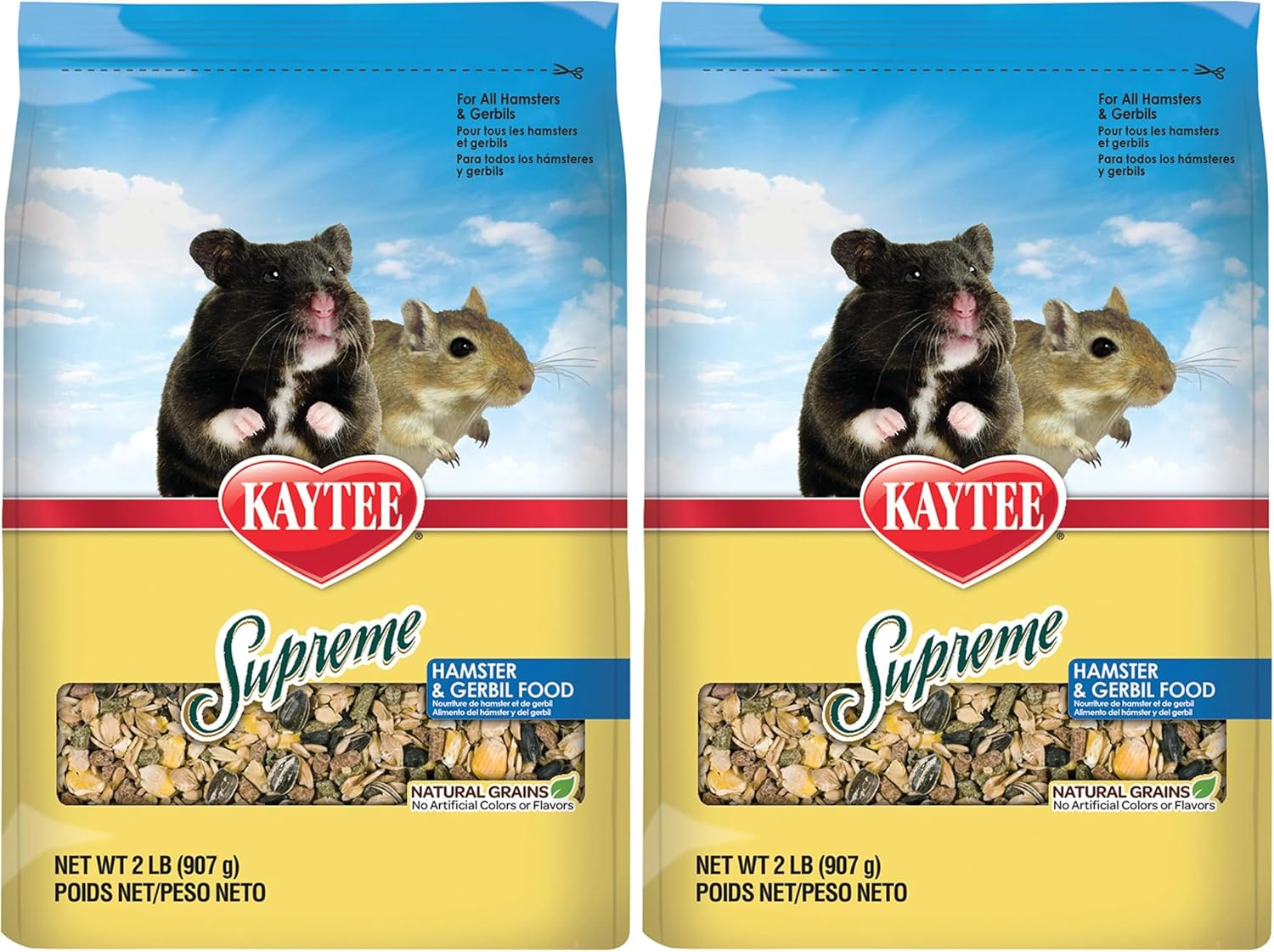
Oxbow Essentials Hamster & Gerbil Food
Uniform kibble prevents selective feeding. Fortified with essential vitamins and minerals. Timothy hay-based for digestive health.
Check Amazon PriceFerret Diet: Obligate Carnivore Needs
Ferrets are obligate carnivores with a digestive system adapted for processing animal protein and fat. They have a very short digestive tract and cannot properly digest carbohydrates, fiber, or plant-based proteins.
Ferret Dietary Requirements
High Animal Protein
32-40% protein minimum. Must be animal-based (chicken, turkey, lamb, etc.). Plant proteins (soy, corn) are poorly digested and can cause health issues.
High Fat Content
18-22% fat minimum. Animal fats provide essential fatty acids and energy. Low-fat diets cause poor coat condition and energy deficiencies.
No Carbohydrates
Avoid grains, fruits, vegetables. Ferrets lack the digestive enzymes to process carbohydrates. These can cause insulinoma, obesity, and digestive issues.
Fresh Water Always
Clean water available 24/7. Ferrets have high metabolic rates and need constant hydration. Use heavy bowls or sipper bottles they can't tip over.
Ferret Feeding Options
| Diet Type | Pros | Cons | Best For |
|---|---|---|---|
| High-Quality Kibble | Convenient, balanced nutrition, long shelf life | Some contain fillers, dental issues possible | Most pet owners, busy households |
| Raw Diet | Most natural, excellent dental health, shiny coat | Time-consuming, bacterial risk, balancing difficult | Experienced owners, dedicated time |
| Freeze-Dried Raw | Convenient raw option, balanced, safe storage | Expensive, must rehydrate properly | Owners wanting raw benefits with convenience |
| Wet/Canned Food | Higher moisture, palatable for sick ferrets | Dental issues, spoils quickly, often contains carbs | Supplemental, sick/elderly ferrets |
Other Small Pets: Chinchillas, Gerbils, Rats
Less common small pets also have specific nutritional requirements that must be met for optimal health.
Chinchilla Nutrition
Herbivores similar to rabbits but with even more specific needs:
- Unlimited timothy hay: 90% of diet
- Limited pellets: 1-2 tablespoons daily of chinchilla-specific pellets
- No fresh vegetables/fruits: Can cause deadly bloating
- Occasional treats: Rose hips, dried herbs (1-2 times weekly)
- Critical: No nuts, seeds, or high-fat treats (cause liver disease)
Gerbil Nutrition
Omnivores similar to hamsters with some differences:
- Commercial gerbil mix: 1 tablespoon daily
- Fresh vegetables: Small amounts daily (carrot, broccoli)
- Protein: Mealworms or cooked egg 2-3 times weekly
- Special need: Higher fat requirement than hamsters
- Foraging: Scatter feed to encourage natural behavior
Rat Nutrition
Highly intelligent omnivores with diverse nutritional needs:
- Lab block: Primary food source to prevent selective eating
- Fresh foods: Wide variety daily (vegetables, fruits, grains)
- Protein: Essential - cooked meat, eggs, legumes daily
- Social eating: Rats enjoy eating with their human companions
- Prevention: Limit high-fat treats to prevent obesity

Common Nutrition Mistakes to Avoid
Feeding Species-Inappropriate Food
Giving rabbit food to guinea pigs (lacks vitamin C), dog food to ferrets (wrong protein/fat ratio), or bird seed to hamsters (nutritionally incomplete). Always use species-specific formulas.
Overfeeding Pellets/Treats
Pellets are supplemental, not primary food for herbivores. Treats should be less than 5% of diet. Overfeeding leads to obesity, selective eating, and nutritional imbalances.
Inadequate Hay Supply
Hay should be available 24/7 for rabbits, guinea pigs, and chinchillas. It's essential for dental health, digestive function, and preventing boredom. Poor quality or moldy hay can cause serious health issues.
Sudden Diet Changes
Small animals have sensitive digestive systems. Any diet change should be gradual over 7-14 days. Sudden changes can cause gastrointestinal stasis (rabbits) or diarrhea (most species).
ZimuShop 2026 Small Animal Nutrition Survey
We surveyed 1,243 small animal owners to identify common feeding practices and issues:
| Species | Correct Diet Knowledge | Common Mistake | Health Issues Related to Diet |
|---|---|---|---|
| Rabbits | 67% | Overfeeding pellets, inadequate hay | Dental disease (42%), GI stasis (28%) |
| Guinea Pigs | 58% | Insufficient vitamin C sources | Scurvy symptoms (31%), urinary stones (19%) |
| Hamsters | 72% | Seed mix selective eating | Obesity (26%), dental issues (18%) |
| Ferrets | 45% | Feeding inappropriate food (cat/dog) | Insulinoma (34%), poor coat (41%) |
Based on responses from small pet owners across North America, 2025-2026.
Premium Timothy Hay
Essential for Herbivores
Oxbow Western Timothy Hay
Premium second-cut timothy hay with optimal fiber content. Fresh, green, and fragrant. Essential for rabbits, guinea pigs, and chinchillas. According to the House Rabbit Society diet guide, timothy hay should comprise 80-90% of a rabbit's diet.
Check Amazon PriceDaily Feeding Schedule & Portions
Establishing a consistent feeding routine helps monitor appetite (an early indicator of illness) and prevents overfeeding.
| Species | Morning | Evening | 24/7 Available |
|---|---|---|---|
| Rabbit | Fresh veggies (1 cup/2 lbs), check hay | Pellets (¼ cup/5 lbs), hay refresh | Unlimited timothy hay, fresh water |
| Guinea Pig | Vitamin C veggies, check hay/water | Pellets (⅛ cup), hay refresh | Unlimited timothy hay, fresh water |
| Hamster | Check food/water, remove old fresh food | Main feeding (1-2 tbsp mix), fresh veggies | Fresh water, occasional chew toys |
| Ferret | Check food/water, kibble always available | Treat training, food puzzle refresh | High-quality kibble, fresh water |
| Chinchilla | Check hay/water, remove soiled bedding | Pellets (1-2 tbsp), hay refresh | Unlimited timothy hay, fresh water |
Feeding Monitoring Checklist
- Daily: Check water availability and cleanliness
- Daily: Monitor appetite and fecal output
- Daily: Remove uneaten fresh food within 4 hours
- Weekly: Weigh your pet to track weight changes
- Weekly: Clean food and water containers thoroughly
- Monthly: Check teeth (herbivores) for overgrowth
- Seasonal: Adjust portions for activity level changes
Safe Treats & Dangerous Foods
Treats should comprise less than 5% of total diet. Always introduce new foods gradually and monitor for adverse reactions.
Rabbit Safe Treats
Occasional fruits: Apple (no seeds), banana
(tiny piece), berries (1-2 weekly)
Herbs: Parsley, cilantro, mint (small
amounts)
Avoid: Iceberg lettuce, cabbage, beans,
nuts, seeds
Guinea Pig Safe Treats
Vitamin C rich: Bell peppers (daily), kiwi,
orange slice (weekly)
Herbs: Parsley, cilantro, dill
Avoid: Potatoes, rhubarb, dairy products,
meat
Hamster Safe Treats
Protein: Mealworms, plain cooked
chicken/egg
Vegetables: Carrot, broccoli, cucumber
(small pieces)
Avoid: Citrus fruits, onions, garlic, raw
beans
Ferret Safe Treats
Meat-based: Freeze-dried chicken, salmon
oil (tiny amount)
Egg: Cooked egg yolk (weekly)
Avoid: Fruits, vegetables, grains, dairy,
sugar
Toxic Foods for All Small Pets
These foods are dangerous and should never be fed to any small animal:
- Chocolate: Contains theobromine, toxic to all pets
- Caffeine: Coffee, tea, energy drinks - causes heart issues
- Alcohol: Even small amounts can be fatal
- Onions & Garlic: Cause anemia in many species
- Avocado: Contains persin, toxic to most animals
- Raw potatoes: Contain solanine, especially in green parts
- Rhubarb: Oxalic acid is toxic
- Xylitol: Artificial sweetener found in sugar-free products
When in doubt, don't feed it. Stick to known safe foods for your specific pet.
When & What Supplements to Use
Most small animals receiving a balanced diet don't need supplements, but there are specific situations where they're beneficial or necessary.
| Supplement | For Which Species | When Needed | Form & Dosage |
|---|---|---|---|
| Vitamin C | Guinea pigs only | Daily if not getting enough from fresh foods | Liquid or tablet, 10-30 mg daily |
| Probiotics | All during stress/illness | After antibiotics, during GI issues, stress | Species-specific powder, follow label |
| Calcium | Pregnant/nursing females | Only with veterinary guidance | Liquid calcium, exact dosage from vet |
| Joint Supplements | Senior animals | Arthritis or mobility issues | Glucosamine/chondroitin, vet-recommended |
| Omega Fatty Acids | All for skin/coat | Dry skin, dull coat, during shedding | Fish/flax oil, tiny amounts 1-2x weekly |
Supplement Safety Guidelines
- Consult your veterinarian before starting any supplement
- Use species-specific formulas - human supplements may contain inappropriate ingredients
- Start with lowest dose and monitor for adverse reactions
- Store properly - many supplements degrade with heat/light
- Check expiration dates - expired supplements can be ineffective or harmful
- Never overdose - more is not better and can cause toxicity
Weight Management for Small Pets
Obesity is common in small pets and leads to serious health issues. Regular weight monitoring and portion control are essential.
Regular Weighing
Weigh weekly using a kitchen scale. Record weights to track trends. Sudden weight loss can indicate illness even before other symptoms appear.
Portion Control
Measure all food rather than free-feeding. Adjust portions based on weight, age, and activity level. Senior pets usually need less food.
Increase Exercise
More playtime, larger enclosures, exercise wheels (appropriate size), foraging activities. Mental stimulation reduces stress eating.
Limit Treats
Treats should be less than 5% of total diet. Use healthy options like herbs or small pieces of vegetables rather than commercial treats.
Cocoa's Weight Loss Journey
When we adopted Cocoa, our 5-year-old rabbit, he was significantly overweight at 8.2 lbs (ideal weight 5.5-6 lbs). His previous owners fed unlimited pellets and treats. Here's how we helped him lose weight safely:
- Veterinary check: Rule out medical causes of obesity
- Gradual diet change: Reduced pellets from unlimited to ¼ cup daily over 3 weeks
- Increased hay: Provided variety of hays to encourage eating
- Measured vegetables: 2 cups daily of low-calorie greens
- Daily exercise: 2+ hours of supervised hopping time
- Weekly weigh-ins: Tracked progress, adjusted portions as needed
After 6 months, Cocoa reached 5.8 lbs. His energy increased dramatically, and he developed fewer gastrointestinal issues. The key was consistency and patience - healthy weight loss for rabbits should be gradual.
Transitioning to a Better Diet
When changing your pet's diet, always transition gradually over 7-14 days to avoid digestive upset.
14-Day Diet Transition Plan
- 75% old food, 25% new food
- Monitor appetite and fecal output
- Ensure hay/water intake remains normal
- Watch for signs of digestive upset
- Weigh pet at start for baseline
- 50% old food, 50% new food
- Continue close monitoring
- Gradually introduce new vegetables (if applicable)
- Adjust portions if weight changes significantly
- Consult vet if any concerning symptoms
- 25% old food, 75% new food
- Pet should be adjusting well to new diet
- Appetite and energy levels should be normal
- Fecal output should be consistent
- Continue monitoring water consumption
- 100% new food
- Complete transition
- Weigh pet to assess any changes
- Establish new feeding routine
- Schedule follow-up with vet if needed
Transition Warning Signs
If you notice any of these during diet transition, slow down or consult your veterinarian:
- Decreased appetite or refusal to eat
- Changes in fecal output: Smaller, fewer, or misshapen droppings
- Diarrhea or soft stools
- Lethargy or decreased activity
- Weight loss beyond 10% of body weight
- Signs of pain: Tooth grinding, hunched posture
For herbivores, any decrease in hay consumption requires immediate veterinary attention as it can indicate dental problems or gastrointestinal stasis.
Additional Resources
Final Thoughts on Small Animal Nutrition
Proper nutrition is the most important aspect of small animal care and the foundation for a long, healthy life. While each species has specific requirements, some universal principles apply:
- Research before you acquire: Understand your pet's needs before bringing them home
- Quality over quantity: Invest in high-quality hay, pellets, and fresh foods
- Consistency matters: Establish and maintain a regular feeding schedule
- Monitor closely: Appetite and fecal output are early health indicators
- When in doubt, consult an expert: Find a veterinarian experienced with your specific pet
- Prevention is easier than treatment: Proper diet prevents many common health issues
Remember that small animals have faster metabolisms and more sensitive digestive systems than larger pets. What works for one species may be harmful to another. Always tailor your feeding approach to your specific pet's needs, considering their age, health status, and activity level.
For more species-specific care information, explore our complete small pet care section. Your dedication to proper nutrition is the best gift you can give your small companion for a happy, healthy life together.