Travel anxiety affects up to 75% of dogs and a significant percentage of cats, making car rides and trips stressful experiences for both pets and owners. According to research published in the Journal of Veterinary Behavior, travel-related stress can manifest in various ways and significantly impact your pet's wellbeing during journeys.
This comprehensive guide will help you understand the signs of travel anxiety, identify its causes, and implement effective solutions to make travel a positive experience for your furry companion. Understanding your pet's communication signals is the first step in recognizing when they're experiencing stress.
Table of Contents

Recognizing Signs of Travel Anxiety
Travel anxiety manifests differently in pets, but there are common symptoms to watch for. Early recognition allows for timely intervention and prevention of more severe anxiety responses. The ASPCA's travel safety guide provides excellent resources for identifying stress signals in pets.
Travel Anxiety Signs in Dogs
Physical Symptoms
Visible physical reactions that indicate your dog is experiencing travel stress:
Common Examples:
- Excessive panting or drooling
- Shaking or trembling
- Pacing or inability to settle
- Whining, barking, or howling
- Excessive yawning or lip licking
Behavioral Changes
Changes in behavior that indicate anxiety or discomfort during travel:
Common Examples:
- Refusing to enter the vehicle
- Trying to escape or hide
- Destructive behavior (chewing seats)
- Restlessness or hyperactivity
- Freezing or refusal to move
Physiological Responses
Bodily functions affected by travel anxiety and stress:
Common Examples:
- Motion sickness (vomiting)
- Diarrhea or loss of bowel control
- Loss of appetite
- Excessive shedding
- Dilated pupils
Travel Anxiety Signs in Cats
Cats often show more subtle signs of travel anxiety, which can include:
- Vocalization: Excessive meowing, yowling, or growling
- Hiding: Attempting to burrow under seats or in carrier corners
- Freezing: Remaining completely still for extended periods
- Panting: Open-mouth breathing (a serious sign of distress in cats)
- Elimination: Urinating or defecating outside the litter box
- Aggression: Hissing, scratching, or biting when approached
Pro Tip
Start observing your pet's behavior at least 30 minutes before travel. Many pets show anticipatory anxiety when they recognize travel cues (like seeing suitcases or hearing car keys). Understanding these early warning signs can help you intervene before anxiety escalates. For cats, consider using feline calming products specifically formulated for their unique needs.
Common Causes of Travel Anxiety
Understanding the root causes of travel anxiety is essential for developing effective solutions. According to veterinary behaviorists, most travel anxiety stems from one or more of these factors:

Primary Causes of Travel Anxiety
Motion Sickness
The physical discomfort of motion sickness creates negative associations with travel. More common in younger animals but can affect pets of any age.
Solutions:
- Anti-nausea medications (vet prescribed)
- Travel on empty stomach (except small water)
- Proper ventilation in vehicle
- Smooth driving techniques
Negative Associations
If a pet's only car experiences are vet visits, grooming, or other stressful destinations, they'll naturally dread car travel.
Solutions:
- Create positive associations with car
- Take fun trips to parks or friends' houses
- Never use car as punishment area
- Gradual desensitization training
Lack of Control
Pets feel vulnerable when confined and unable to escape perceived threats. The unfamiliar motion and sounds exacerbate this feeling.
Solutions:
- Secure, comfortable confinement
- Familiar items from home
- Ability to see outside or not (depends on pet)
- Regular breaks on long trips
Important Safety Note
Never sedate your pet for travel without veterinary consultation. Improper sedation can be dangerous, especially for brachycephalic breeds (flat-faced dogs and cats) and animals with certain health conditions. Always consult your veterinarian before using any calming medications or supplements. For safe alternatives, check our natural calming products section.
Pre-Travel Preparation & Desensitization
Proper preparation is the most effective way to prevent travel anxiety. The Humane Society's travel guide recommends starting preparation weeks before any major trip.
Gradual Desensitization Training
This systematic approach helps pets build positive associations with car travel:
2-Week Desensitization Plan
Week 1: Sit with your pet in the parked car with engine off for 5-10 minutes daily. Offer treats, play, or feed meals in the car. Never force entry - make it their choice to enter.
Week 2: Start the engine but don't drive. Gradually increase engine-on time from 1 to 10 minutes over several days. Then take very short drives (around the block) and immediately return home for treats and praise.
Ongoing: Gradually increase drive duration, always ending with positive experiences. Vary destinations to include fun places like parks or pet-friendly stores.
Pre-Travel Checklist
- Exercise: Provide vigorous exercise 1-2 hours before travel to burn off excess energy
- Feeding: Withhold food for 3-4 hours before travel (small amounts of water okay)
- Potty break: Ensure your pet eliminates right before departure
- Familiar items: Bring favorite toys, blankets, or bedding with home scents
- Secure confinement: Use appropriate carriers, seat belts, or barriers for safety
- Identification: Ensure collar tags and microchip information are current
During the Journey: Calming Strategies
Implementing these strategies during travel can significantly reduce anxiety:

Environmental Management
Temperature & Ventilation
Maintain comfortable temperature (68-72°F) with adequate airflow. Avoid direct airflow on your pet, which can cause anxiety.
Noise Management
Play calming music at low volume (classical or specially designed pet calming tracks). Consider white noise to mask traffic sounds.
Visual Management
Some pets calm with window views, others become more anxious. Use adjustable window covers based on your pet's preference.
Behavioral Strategies During Travel
- Calm demeanor: Your anxiety affects your pet. Stay calm and speak in soothing tones
- Ignore anxious behavior: Don't reinforce anxiety with attention (positive or negative)
- Reward calm behavior: Quietly praise and treat when your pet is relaxed
- Interactive toys: Food puzzle toys or long-lasting chews can provide distraction
- Regular breaks: Stop every 2-3 hours for potty breaks, water, and short walks
- Comfort items: Items with your scent can be particularly soothing
Driving Tips
Drive smoothly - avoid sudden acceleration, braking, and sharp turns. Take corners gently and maintain steady speeds when possible. These driving techniques are especially important for pets prone to motion sickness. If your dog has learned basic obedience commands, you can use "settle" or "place" cues to encourage calm behavior during travel.
Natural Calming Remedies
Several natural options can help reduce travel anxiety without medication. Research published in the Journal of Veterinary Science has shown promising results for several natural calming agents.
Effective Natural Calming Options
Pheromone Products
Synthetic versions of calming pheromones (Adaptil for dogs, Feliway for cats) can reduce anxiety. Available as sprays, diffusers, or collars.
How to Use:
- Spray carrier/vehicle 15 minutes before travel
- Apply to bedding or bandana
- Use diffuser in car if plugged into outlet
- Start using 2-3 days before travel
Calming Supplements
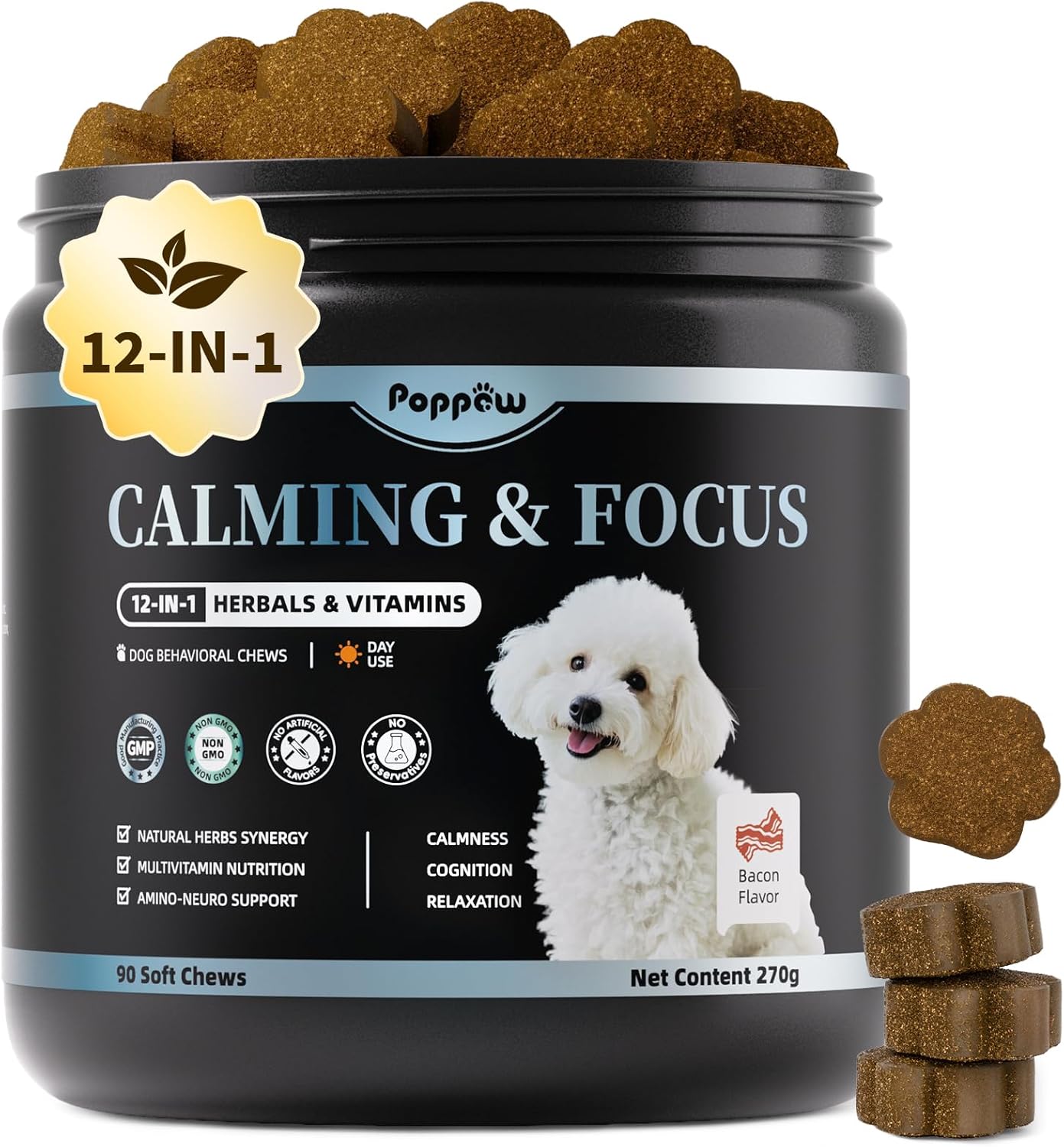
Ingredients like L-theanine, melatonin, chamomile, and valerian root have shown efficacy in reducing anxiety in clinical studies.
Common Options:
- L-theanine (from green tea)
- Melatonin (for sleep regulation)
- Chamomile (mild sedative properties)
- Valerian root (natural sedative)
- CBD products (consult vet first)
Pressure Wraps
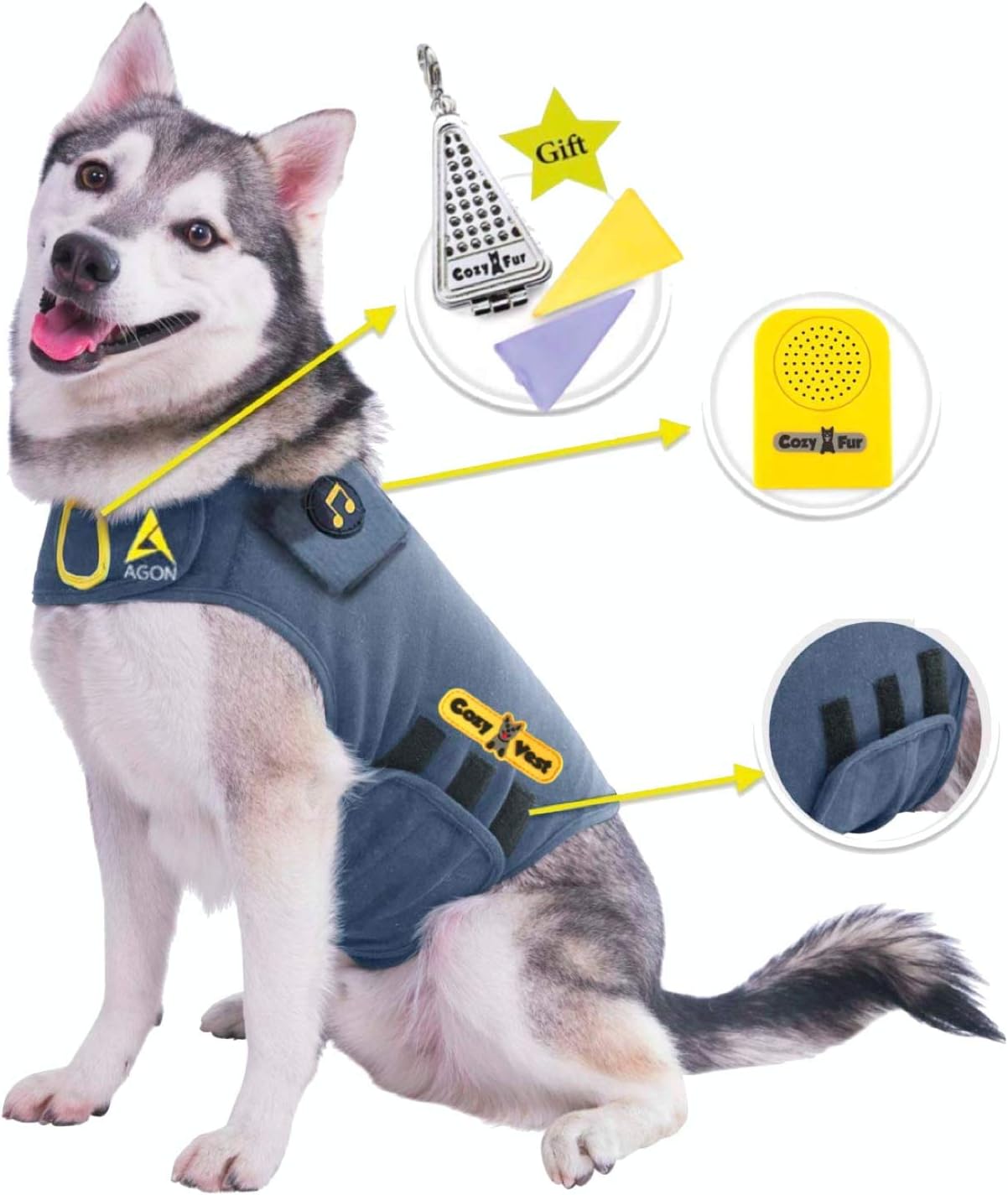
Products like Thundershirt apply gentle, constant pressure that can have a calming effect similar to swaddling a baby.
Effectiveness:
- Works for 80% of dogs (per manufacturer)
- Also available for cats
- Can be combined with other methods
- Introduce before travel day
Supplement Safety
Always consult your veterinarian before giving any supplements, especially if your pet has health conditions or takes other medications. Start with low doses and monitor for side effects. Quality varies significantly between brands - choose reputable manufacturers with third-party testing. Check our supplement guide for vetted recommendations.
When to Seek Professional Help
If your pet's travel anxiety is severe or doesn't improve with these strategies, professional help may be needed. According to the American Veterinary Society of Animal Behavior, severe anxiety warrants professional intervention.
Signs You Need Professional Help
- Self-injury from anxiety (excessive scratching, chewing)
- Complete refusal to enter vehicle despite gradual training
- Aggression toward people or other pets during travel
- Panic attacks (uncontrollable shaking, vocalization)
- Anxiety that persists for hours after travel ends
- No improvement after 4-6 weeks of consistent training
Types of Professional Help Available
- Veterinary behaviorist: Board-certified specialist in animal behavior
- Certified professional dog trainer (CPDT): Specializing in anxiety issues
- Fear Free Certified Professional: Trained in reducing fear, anxiety, and stress
- Your regular veterinarian: Can rule out medical causes and prescribe medication if needed
Emergency & Long-Distance Travel Tips
Sometimes travel can't be avoided or planned gradually. Here are strategies for unexpected or extended travel:
Emergency Travel Preparation
Create a pet emergency travel kit that includes:
- 3-day supply of food and water
- Portable bowls and can opener if using canned food
- Basic first aid supplies and any regular medications
- Copies of vaccination records and medical history
- Recent photo of your pet (in case you get separated)
- Comfort items (favorite toy, blanket with home scent)
- Extra leash, collar with ID tags, and harness
- Waste disposal bags and cleaning supplies
Long-Distance Travel Considerations
- Accommodation planning: Research pet-friendly hotels in advance
- Exercise schedule: Plan for regular exercise breaks every 2-3 hours
- Climate considerations: Account for temperature changes along your route
- Hydration: Offer small amounts of water at every stop
- Identification: Consider temporary travel tags with your mobile number
- Health certificates: Some states/countries require them
Final Travel Advice
Every pet is unique - what works for one may not work for another. Be patient and willing to experiment with different strategies. Remember that some anxiety improvement is better than none, and small successes should be celebrated. Travel should be a positive experience that strengthens your bond with your pet. For more resources on pet behavior and health, explore our complete blog collection or check our travel product recommendations for tested solutions.