
Pet food labels contain valuable information about what you are feeding your furry friend, but they can be confusing and misleading. Learning how to read pet food labels is essential for making informed decisions about your pet's nutrition. This comprehensive 2026 guide will teach you to decode ingredient lists, understand guaranteed analysis, and recognize marketing claims versus nutritional reality.
By mastering label reading, you will be able to distinguish between high-quality nutrition and clever marketing, potentially saving thousands in veterinary bills and ensuring your pet lives a longer, healthier life. Whether you are choosing between commercial brands or evaluating specialty diets, this guide provides the knowledge you need. For related information, see our complete dog food guide and cat nutrition basics.
Table of Contents
- Pet Food Label Anatomy: 8 Key Sections
- Ingredient List Decoder: What Comes First Matters
- Guaranteed Analysis: Beyond the Percentages
- Nutritional Adequacy Statement: The AAFCO Seal
- Marketing Claims: Truth vs. Hype
- Cat vs. Dog Food Labels: Key Differences
- 2026 Label Changes: What's New
- Red Flags: Warning Signs on Labels
- Comparison Tools: Side-by-Side Analysis
- Top 3 Transparent Pet Food Brands
- Quick Decoder Chart for Shopping
- Frequently Asked Questions

Pet Food Label Anatomy: 8 Key Sections
Every pet food label contains specific sections required by law. Understanding these 8 key sections will transform how you shop for pet food:
The Complete Label Breakdown

The most visible section, often featuring marketing claims.
Total product weight, helping calculate cost per pound.
Ingredients in descending order by weight before processing.
Minimum percentages of crude protein and fat, maximum percentages of crude fiber and moisture.
Pro Tip: The "95% Rule"
When a product name includes phrases like "Beef for Dogs" or "Tuna Cat Food," the named ingredient must comprise at least 95% of the product weight (excluding water). For "Beef Dinner" or "Tuna Entree," the requirement drops to 25%. This explains why premium foods often have simpler names like "Chicken" rather than "Chicken Dinner with Gravy." For more on this, check the FDA's pet food labeling guide.
Ingredient List Decoder: What Comes First Matters
The ingredient list shows components in descending order by weight before processing. This means water-heavy ingredients (like fresh chicken) appear higher than dehydrated ingredients (like chicken meal), even though the latter provides more actual protein.
Understanding Ingredient Terminology
Named Protein Sources
What to look for: "Chicken," "beef," "salmon," "lamb meal," "chicken by-product meal" (specific). These indicate identifiable protein sources. Named meat meals are concentrated protein (about 300% more protein than fresh meat).
Vague Protein Sources
Red flags: "Meat," "poultry," "animal," "fish meal" (unspecified). These could come from multiple unknown sources and vary in quality batch to batch. They are less expensive but less consistent.
Quality Carbohydrates
Good options: Whole grains (brown rice, oats, barley), sweet potatoes, peas, lentils. These provide energy, fiber, and nutrients. Contrary to popular belief, quality grains are beneficial for most pets.
Fillers & By-Products
Avoid as primary ingredients: Corn gluten meal, wheat middlings, soybean meal, generic "animal fat." These are inexpensive fillers with lower nutritional value. By-products can be nutritious but vary in quality.
Recommended Transparent Brand
Clear Labeling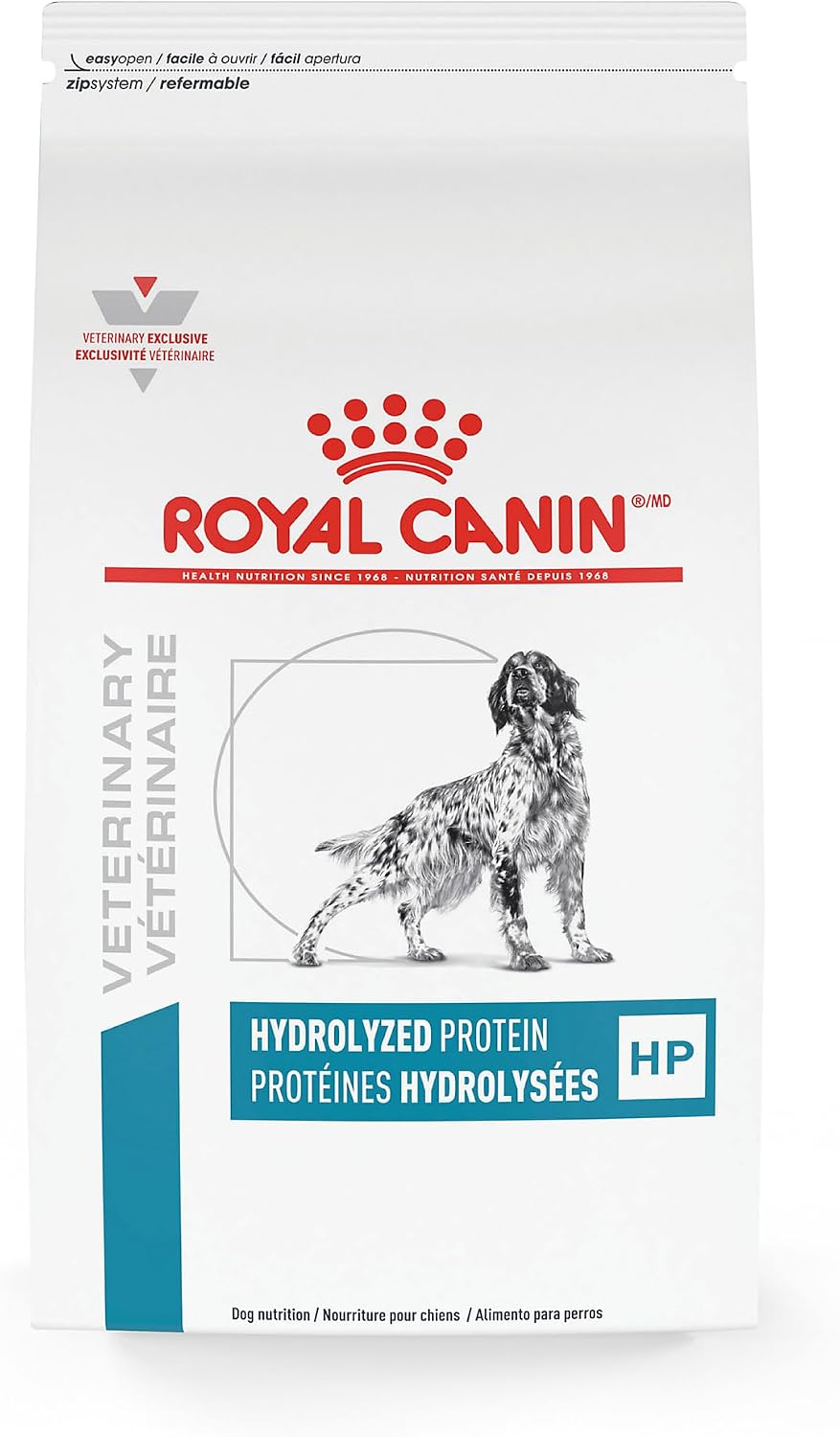
Royal Canin Veterinary Diet
Veterinarian-formulated with precise ingredient declaration. Each component is clearly identified with its nutritional purpose.
Check Amazon PriceGuaranteed Analysis: Beyond the Percentages
The guaranteed analysis shows minimums and maximums for key nutrients, but these percentages can be misleading without context. Here is how to interpret them correctly:
ZimuShop 2026 Label Analysis Study
We analyzed 200 pet food labels to create this comparison of how different formats report nutrients:
| Nutrient | Dry Food (Kibble) | Wet Food (Canned) | Conversion to Dry Matter | What It Means |
|---|---|---|---|---|
| Crude Protein | 26% (min) | 9% (min) | Wet: 45% DM • Dry: 26% DM | Wet food appears lower but comparable on dry matter basis |
| Crude Fat | 15% (min) | 5% (min) | Wet: 25% DM • Dry: 15% DM | Fat percentages must be compared on dry matter basis |
| Crude Fiber | 4% (max) | 1.5% (max) | Wet: 6.7% DM • Dry: 4% DM | Maximum levels, not actual content |
| Moisture | 10% (max) | 78% (max) | Not converted | Key for calculating dry matter percentages |
*Dry Matter (DM) basis removes water content for accurate nutrient comparison between wet and dry foods.
How to Calculate Dry Matter Basis
To accurately compare wet and dry foods, use this formula:
Dry Matter Calculation Formula
Step 1: Find moisture percentage (e.g., 10%
for dry, 78% for wet)
Step 2: Calculate dry matter: 100% - moisture
% = dry matter %
Step 3: Convert nutrient: (Nutrient % ÷ Dry
matter %) × 100 = Dry matter %
Example: Wet food with 9% protein and 78%
moisture:
Dry matter = 100 - 78 = 22%
Protein DM = (9 ÷ 22) × 100 = 40.9% protein on dry matter
basis
Nutritional Adequacy Statement: The AAFCO Seal
The AAFCO (Association of American Feed Control Officials) statement indicates whether a food meets minimum nutritional requirements. Look for these key phrases:
"Animal feeding tests using AAFCO procedures"
The food was actually fed to pets and met requirements. This is the gold standard for nutritional adequacy.
"Formulated to meet AAFCO nutrient profiles"
The food was designed to meet requirements through formulation, but not necessarily tested on animals. Still indicates complete nutrition.
"For intermittent or supplemental feeding only"
The food is not nutritionally complete. Should only be fed occasionally or with other foods to balance nutrition.
"For growth," "for maintenance," "for all life stages"
Indicates which life stage the food supports. "All life stages" meets highest requirements (growth), which may be excessive for adults.

Marketing Claims: Truth vs. Hype
Pet food marketing uses powerful emotional triggers. Understanding what these terms actually mean versus what they imply is crucial for making informed choices.
Natural, Organic, Human-Grade: Decoded
| Marketing Term | Legal Definition | What It Actually Means | What It Doesn't Guarantee |
|---|---|---|---|
| Natural | AAFCO: No artificial flavors, colors, or preservatives | Ingredients are from plant, animal, or mined sources | Nutritional quality, sourcing ethics, or health benefits |
| Organic | USDA: ≥95% organic ingredients (similar to human food) | Ingredients grown without synthetic pesticides/fertilizers | Higher nutritional value or better taste for pets |
| Human-Grade | Entire product meets FDA human food standards | Every ingredient edible by humans | Complete nutrition or specific health benefits |
| Holistic | No legal definition in pet food | Marketing term only - no regulatory meaning | Anything - it's an unregulated claim |
| Premium/Super Premium | No legal definition | Marketing term suggesting higher quality | Actual quality - check ingredients and AAFCO statement |
Grain-Free & Limited Ingredient: The Reality
The grain-free trend exploded based on marketing suggesting grains are fillers, but the reality is more nuanced:
FDA Investigation Alert
Since 2018, the FDA has investigated potential links between grain-free diets and canine dilated cardiomyopathy (DCM), a serious heart condition. While not conclusively proven, the investigation continues. Most dogs tolerate quality grains well, and grain-free diets often replace grains with legumes (peas, lentils, potatoes) that may affect taurine absorption. Unless your pet has a diagnosed grain allergy (less than 1% of dogs), grain-free may offer no benefit. For the latest information, see the FDA's ongoing DCM investigation.
Quality Grain-Inclusive Option
Vet Recommended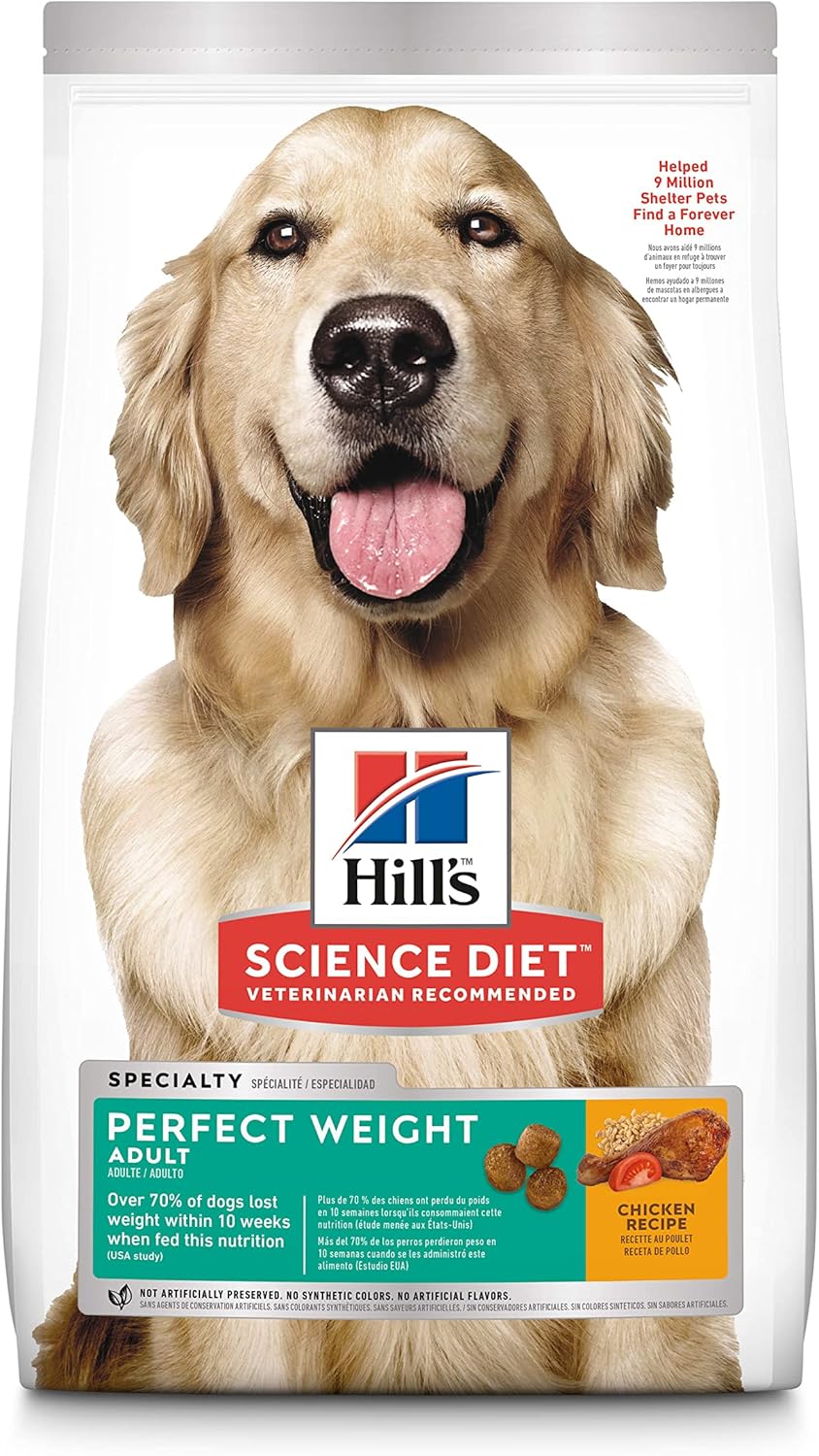
Hill's Science Diet Adult with Grains
Formulated with high-quality protein and wholesome grains. Contains natural fibers for digestive health and antioxidants for immune support. According to research from Tufts University, appropriate grain selection can enhance nutrient absorption in pets.
Check Amazon PriceCat vs. Dog Food Labels: Key Differences
Cats and dogs have different nutritional requirements, reflected in their food labels:
Cat Food Specifics
- Higher protein requirements: Minimum 26% for maintenance vs 18% for dogs
- Taurine essential: Must be added to cat food (cats cannot synthesize)
- Arachidonic acid needed: From animal fats (cats cannot convert plant sources)
- Vitamin A preformed: Must come from animal sources
- Lower carbohydrate tolerance: Cats are obligate carnivores
Dog Food Specifics
- More flexible protein: Can utilize plant proteins more efficiently
- No taurine requirement: Dogs synthesize taurine from amino acids
- Higher carb tolerance: Dogs are omnivores with carnivorous bias
- Vitamin A from plants: Can convert beta-carotene
- Linoleic acid essential: Omega-6 fatty acid requirement
Never Feed Cross-Species
Critical warning: Cat food is dangerous for dogs (too much protein/fat, lacks proper nutrients). Dog food is dangerous for cats (deficient in taurine, arachidonic acid, vitamin A). Even occasional feeding can cause nutritional imbalances.
All Life Stages Myth
Food labeled "for all life stages" meets the highest requirements (growth/reproduction), which means it has excess calories, calcium, and phosphorus for adult pets. This can contribute to obesity and kidney strain. Choose life-stage specific formulas when possible.
2026 Label Changes: What's New
Regulatory updates in 2025-2026 have introduced several important label changes:
Country of Origin Transparency
Manufacturers must now list the country of origin for primary ingredients. Previously only final manufacturing location was required. This helps consumers avoid ingredients from regions with questionable safety standards.
Enhanced Nutrient Disclosure
Optional "typical analysis" section showing average nutrient values (not just minimums/maximums). More companies are voluntarily including amino acid profiles and fatty acid ratios.
Calorie Statement Format
Calories must now be expressed as kilocalories per kilogram AND per common measuring unit (cup/can). This standardization makes comparison between brands easier.
DCM Warning Statements
For formulas with high legume/potato content, some manufacturers are adding voluntary statements about the FDA DCM investigation. Not required but becoming more common.
A Real-World Label Investigation
When comparing two premium dog foods for my Labrador, I discovered how labels can be misleading:
Brand A ($85/bag): "Premium Grain-Free Salmon Recipe" - First ingredient: "Salmon," but the guaranteed analysis showed only 24% protein. When I calculated dry matter: 24% ÷ 90% DM = 26.7% actual protein. The beautiful packaging featured wild salmon but fine print revealed some farmed salmon.
Brand B ($65/bag): "Adult Dog Food with Chicken" - First ingredient: "Chicken meal," guaranteed analysis: 28% protein. Dry matter: 28% ÷ 90% DM = 31.1% actual protein. Less glamorous packaging but clearer ingredient sourcing.
Result: Brand B provided 16% more protein per dollar, with more transparent sourcing. This experience taught me that label literacy saves money and improves nutrition.
Red Flags: Warning Signs on Labels
Certain phrases and omissions should trigger caution when evaluating pet food labels:
No AAFCO Statement
The food is not nutritionally complete. May be missing essential nutrients. Only suitable for supplemental feeding.
"Flavor" Without the Ingredient
"Beef flavor" may contain no actual beef - just flavorings. The ingredient creating the flavor must be named elsewhere on the label.
Artificial Colors
Red 40, Blue 2, Yellow 5, etc. serve no nutritional purpose and may cause allergies. Pets are colorblind to these hues.
Multiple Preservatives
BHA, BHT, ethoxyquin - while approved, some studies suggest potential health concerns. Natural alternatives (vitamin E, rosemary) are preferable.
The "Mystery Meat" Test
If you cannot identify what an ingredient actually is without a chemistry degree, be cautious. Ingredients should be recognizable food items. "Pyridoxine hydrochloride" is vitamin B6 - fine. "Animal digest" is a mystery slurry - less fine. "Dried fermentation products" could be probiotics - good. "Mechanically separated chicken" is specific - okay. When in doubt, look it up or choose a brand with clearer labeling.
Limited Ingredient Diet
Hypoallergenic
Blue Buffalo Basics Limited Ingredient
Single protein source (turkey) with easily digestible carbohydrates. No chicken, beef, corn, wheat, soy, dairy, or eggs. Formulated for dogs with food sensitivities. The AVMA recommends consulting your veterinarian before starting any elimination diet.
Check Amazon PriceComparison Tools: Side-by-Side Analysis
When comparing two or more pet foods, use this systematic approach:
ZimuShop Pet Food Comparison Worksheet
Copy this table to compare up to 3 foods side-by-side:
| Comparison Point | Food A | Food B | Food C |
|---|---|---|---|
| Price per pound | $___ | $___ | $___ |
| First 3 ingredients |
1. ___ 2. ___ 3. ___ |
1. ___ 2. ___ 3. ___ |
1. ___ 2. ___ 3. ___ |
| Protein % (DM basis) | ___% | ___% | ___% |
| Fat % (DM basis) | ___% | ___% | ___% |
| AAFCO Statement | ✓ or ✗ | ✓ or ✗ | ✓ or ✗ |
| Life Stage | ___ | ___ | ___ |
| Artificial additives? | Yes/No | Yes/No | Yes/No |
*Click cells to edit. Print or screenshot for store comparisons.
Quick Decoder Chart for Shopping
Print this quick reference guide for your next pet food shopping trip:
LOOK FOR THESE
- Named animal protein first
- Specific meat meals (chicken meal)
- Whole grains or quality alternatives
- Natural preservatives (vitamin E, C)
- AAFCO feeding trial statement
- Life stage appropriate
- Clear calorie statement
AVOID THESE
- Generic terms (meat, animal)
- Artificial colors (Red 40, etc.)
- BHA, BHT, ethoxyquin
- No AAFCO statement
- "Flavor" without ingredient
- Excessive fillers first
- Undefined by-products
UNDERSTAND THESE
- "Natural" = no artificial additives
- "Organic" = ≥95% organic ingredients
- "Grain-free" ≠ healthier for most pets
- "Holistic" = marketing term only
- "Premium" = no legal definition
- By-products can be nutritious
- Meat meals are concentrated protein
CALCULATE THESE
- Price per pound
- Dry matter percentages
- Calories per cup/can
- Feeding cost per day
- Protein:fat ratio
- Cost per 1000 kcal
- Monthly feeding cost
Smart Shopping Strategy
- Research at home: Compare labels online before going to the store
- Bring your decoder: Take this guide or your notes shopping
- Check dates: Look for manufacturing/expiration dates
- Feel the bag: Ensure it's properly sealed with no damage
- Start small: Buy the smallest size first to test tolerance
- Track results: Monitor stool, energy, coat after switching
- Consult your vet: Bring labels to your next appointment

Additional Resources
Final Thoughts on Label Literacy
Learning to read pet food labels is one of the most valuable skills you can develop as a pet owner. While it may seem overwhelming at first, with practice you will be able to quickly assess quality, value, and appropriateness for your pet.
Remember that the most expensive food is not always the best, and the most appealing marketing does not guarantee optimal nutrition. Focus on ingredient quality, nutritional completeness, and your pet's individual needs rather than trends or clever packaging.
Your pet relies on you for their nutrition. By becoming label-literate, you are taking an important step toward ensuring they receive the best possible care.
Happy, healthy feeding!