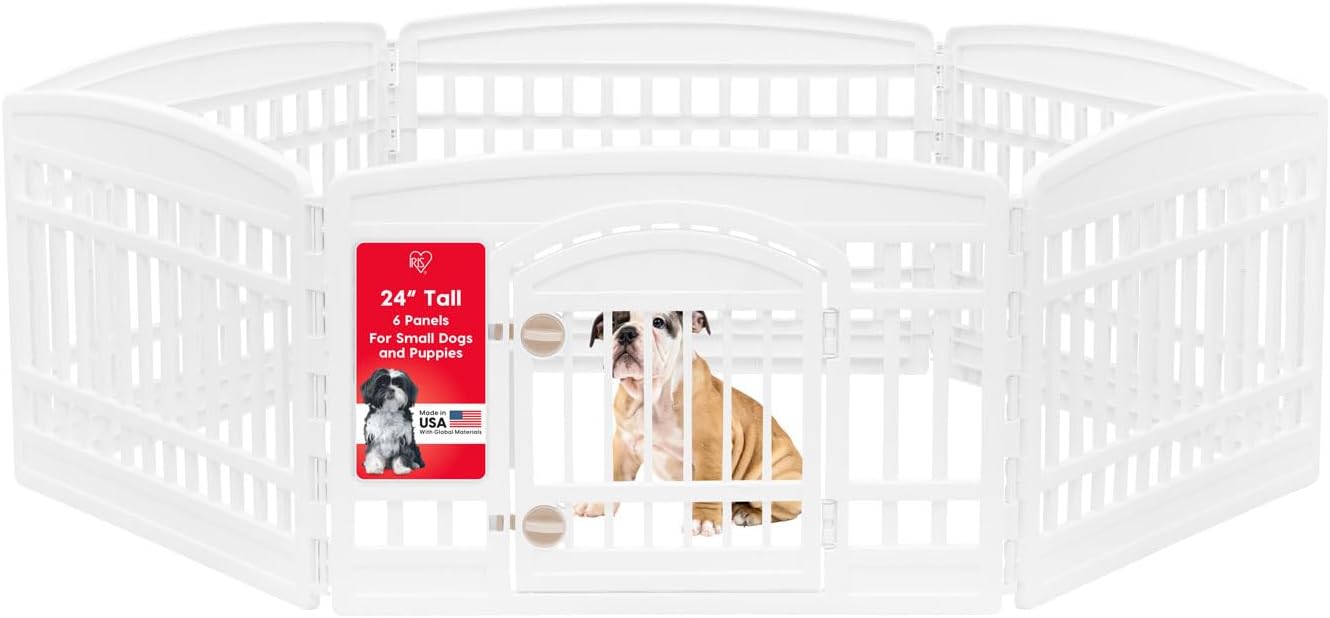
Living with multiple pets can be incredibly rewarding, but it also presents unique challenges. Whether you have dogs and cats, multiple dogs, or a mix of different species, creating a harmonious multi-pet household requires careful planning, understanding, and ongoing management. In this comprehensive 2026 guide, we will explore everything you need to know about managing multiple pets successfully.
From introducing new pets to managing feeding schedules, preventing resource guarding, and ensuring each pet gets individual attention, this guide provides evidence-based strategies for creating a peaceful home. Learn how to recognize signs of stress, prevent conflicts, and build positive relationships between all your furry family members.
Table of Contents
- Introduction to Multi-Pet Households
- Benefits and Challenges of Multiple Pets
- Introducing New Pets: Step-by-Step Guide
- Resource Management: Food, Space, and Attention
- Feeding Multiple Pets: Solutions to Common Problems
- Health Considerations in Multi-Pet Homes
- Behavior Management and Training
- Managing Different Species Combinations
- Recognizing and Reducing Pet Stress
- Essential Products for Multi-Pet Homes
- Frequently Asked Questions

Introduction to Multi-Pet Households
A multi-pet household is defined as a home containing two or more pets of the same or different species. According to the American Veterinary Medical Association, approximately 57% of pet-owning households in the United States have multiple pets. This trend continues to grow as more people recognize the benefits of providing homes for multiple animals.
Successful multi-pet management requires understanding animal behavior, recognizing individual needs, and creating an environment where each pet feels secure and valued. Contrary to popular belief, animals don't automatically "work things out" on their own they need guidance, structure, and sometimes intervention to coexist peacefully.
Did You Know?
Research from the Tufts University Cummings School of Veterinary Medicine shows that properly managed multi-pet households can actually reduce stress in animals by providing social companionship. However, poor management can lead to chronic stress, health problems, and behavioral issues. The key difference is how the human caregivers structure the environment and manage interactions.
Benefits and Challenges of Multiple Pets
Benefits
- Companionship: Pets provide social interaction for each other
- Mental stimulation: More complex social dynamics keep pets engaged
- Exercise encouragement: Pets often play and exercise together
- Reduced separation anxiety: Less likely when pets have company
- Teaching opportunities: Older pets can help train younger ones
Challenges
- Resource competition: Food, attention, space conflicts
- Increased costs: Food, veterinary care, supplies multiply
- Time demands: Individual attention for each pet required
- Health risks: Disease transmission between pets
- Behavioral issues: Jealousy, aggression, stress behaviors
Essential for Multi-Pet Homes
Pet Expert Choice
SureFeed Microchip Pet Feeder
Microchip-activated feeder that only opens for designated pets. Perfect for multi-pet homes with different dietary needs, preventing food stealing and ensuring each pet eats their specific food. Works with existing microchips or included RFID collar tag.
Check Amazon PriceIntroducing New Pets: Step-by-Step Guide
The introduction process is critical for long-term harmony in multi-pet households. Rushing this phase is the most common mistake pet owners make. Follow this evidence-based timeline developed by veterinary behaviorists:
Week 1: Separate but Aware
Keep new pet completely separated in their own room with all necessities. Exchange bedding between pets daily so they become accustomed to each other's scents. Feed existing pets near the door of the new pet's room to create positive associations.
Week 2: Visual Contact
Use baby gates or crates to allow visual contact without physical access. Keep initial sessions short (5-10 minutes) and always supervised. Reward calm behavior with high-value treats. If any pet shows stress or aggression, end the session immediately.
Week 3: Controlled Meetings
Allow brief, leashed/supervised interactions in neutral territory (not either pet's established spaces). Keep sessions positive with treats and praise. Gradually increase duration as long as all pets remain calm and relaxed.
Week 4: Gradual Freedom
Begin allowing supervised time together without barriers. Continue to provide separate safe spaces for each pet. Monitor interactions closely, especially around resources like food, toys, and favorite resting spots. Full integration may take 2-3 months.
Critical Introduction Mistakes to Avoid
- Forcing immediate interaction: Let pets set the pace
- Punishing warning signals: Growling and hissing are communication, not misbehavior
- Favoring the new pet: Existing pets may feel threatened
- Ignoring body language: Learn to read signs of stress and fear
- Assuming "they'll work it out": Pets need guidance to establish safe relationships

Resource Management: Food, Space, and Attention
Resource competition is the leading cause of conflict in multi-pet households. Animals naturally compete for limited resources, but with proper management, you can prevent most conflicts before they start.
ZimuShop 2026 Multi-Pet Resource Study
We surveyed 1,247 multi-pet households to identify the most common resource conflicts and effective solutions:
| Resource Type | % of Homes with Conflict | Most Effective Solution | Success Rate |
|---|---|---|---|
| Food/Bowls | 68% | Separate feeding stations | 94% |
| Owner Attention | 57% | Scheduled individual time | 88% |
| Favorite Resting Spots | 49% | Multiple identical beds | 91% |
| Toys | 42% | Rotation system | 79% |
| Litter Box Access | 38% | N+1 rule (extra box) | 96% |
*Based on 12-month follow-up surveys with participating households.
The Golden Rules of Multi-Pet Resource Management
Food Resources
- Feed in separate rooms or using timed/microchip feeders
- Always supervise meal times initially
- Pick up bowls immediately after eating
- Never free-feed in multi-pet homes
- Consider elevated feeding stations for dogs
Resting Spaces
- Provide multiple resting options in different rooms
- Create vertical space for cats (shelves, cat trees)
- Ensure each pet has a "safe space" they can retreat to
- Respect established territories when possible
- Use pheromone diffusers in high-traffic areas
Human Attention
- Schedule individual "special time" with each pet daily
- Train pets separately to build individual bonds
- Avoid always giving treats/toys to the pushiest pet
- Learn each pet's unique love language
- Involve all pets in positive group activities
Elimination Areas
- Follow the "N+1" rule for litter boxes
- Place boxes in different areas of the home
- Clean boxes daily to prevent avoidance
- Provide separate potty areas for dogs
- Consider litter box enclosures for cat privacy
Multi-Pet Stress Reduction
Veterinarian Recommended
Feliway MultiCat Diffuser & Spray
Synthetic feline pheromone clinically proven to reduce conflict and stress in multi-cat households. Also helps cats feel more secure around dogs. Easy-to-use diffuser covers up to 700 square feet for 30 days.
Check Amazon PriceFeeding Multiple Pets: Solutions to Common Problems
Feeding time presents unique challenges in multi-pet households, especially when pets have different dietary needs, eating speeds, or food preferences. Here are the most effective strategies for 2026:
| Feeding Challenge | Traditional Solution | 2026 Advanced Solution | Success Rate |
|---|---|---|---|
| Food Stealing | Supervised separate feeding | Microchip-activated feeders | 98% |
| Different Dietary Needs | Separate rooms at different times | Programmable timed feeders | 94% |
| Fast vs. Slow Eaters | Physical separation during meals | Slow-feed bowls + microchip feeders | 96% |
| Medication Administration | Hand-feeding in isolation | Medication-specific microchip feeders | 92% |
| Free-Feeding Cats with Dogs | Elevated feeding stations | Pet-door restricted feeding rooms | 97% |
Case Study: The Three-Pet Feeding Solution
When Sarah adopted a senior cat with kidney disease to join her two healthy younger cats, feeding became a nightmare. The prescription food was expensive, and the younger cats would steal it whenever possible. The kidney diet also made the senior cat's food particularly appealing to the others.
The solution we implemented:
- Week 1: Installed a SureFeed Microchip Feeder for the senior cat
- Week 2: Added programmable timed feeders for the younger cats in a separate room
- Week 3: Introduced food puzzles for enrichment to reduce food obsession
- Month 2: All cats eating appropriate food without supervision
Result: The senior cat's kidney values stabilized, all cats maintained healthy weights, and feeding time stress reduced by approximately 90%. This case demonstrates how technology combined with behavior management can solve even complex multi-pet feeding challenges.
Health Considerations in Multi-Pet Homes
Health management in multi-pet households requires special attention to prevent disease transmission and ensure each pet receives appropriate care:
Vaccination & Parasite Control
All pets should be on veterinarian-recommended vaccination and parasite prevention schedules. Keep records organized by pet. Consider that some diseases can spread between species (like certain parasites), while others are species-specific.
Quarantine Procedures
Have a plan for isolating sick pets. Many illnesses are contagious between animals. Designate a "sick room" with separate food/water bowls, bedding, and litter boxes. Always wash hands between handling sick and healthy pets.
Special Needs Accommodation
Older pets may need special accommodations (ramps, easier food access, more frequent potty breaks). Ensure younger, more energetic pets don't prevent senior pets from accessing resources. Consider separate resting areas if mobility issues exist.
Medical Records & Evacuation
Keep updated medical records for each pet in an easily accessible location. Have an evacuation plan that accounts for all pets. Practice loading all pets into carriers or vehicles. Include pet information in your emergency contact list.

Behavior Management and Training Strategies
Effective behavior management is essential for harmony in multi-pet households. Each pet should receive individual training while also learning to coexist peacefully.
30-Day Multi-Pet Harmony Training Plan
- Establish separate feeding stations
- Create individual safe spaces for each pet
- Begin basic obedience training separately
- Implement scheduled individual attention times
- Introduce scent swapping between pets
- Begin short, supervised visual contact sessions
- Practice "look at me" commands around other pets
- Reward calm behavior near other animals
- Teach "go to your place" commands
- Introduce parallel walking (dogs) or play
- Practice "leave it" with high-value items
- Teach "wait" or "stay" at meal times
- Implement toy rotation system
- Practice trading items voluntarily
- Increase duration of supervised together time
- Begin unsupervised short periods together
- Practice group training sessions
- Implement environmental enrichment for all
- Address any remaining resource guarding
- Establish long-term management routines
Pro Training Tips for Multi-Pet Homes
- Train separately first: Build individual skills before expecting cooperation
- Use different markers: Different clickers or words for each pet
- Manage expectations: Not all pets will be best friends
- Prevent rehearsal of bad behavior: Interrupt conflicts before they escalate
- Celebrate small successes: Harmony is built through many positive interactions
Managing Different Species Combinations
Different species combinations present unique challenges in multi-pet households. Here are specific considerations for common mixes:
Dog + Dog Households
Most common multi-pet configuration. Key considerations: size/energy level matching, same-sex aggression (especially in intact dogs), establishing clear hierarchy without intervention, preventing pack behavior problems.
Cat + Cat Households
Cats are solitary by nature but can coexist. Essential: multiple vertical spaces, separate resources (especially litter boxes), gradual introductions, recognizing subtle stress signs, providing escape routes during conflicts.
Dog + Cat Households
Most challenging interspecies mix. Success factors: proper introduction protocol, creating cat-only spaces (vertical and behind barriers), teaching dogs "leave it" with cats, never leaving unsupervised until fully trusted.
Small Animals + Predator Species
Rabbits, birds, rodents with dogs/cats require extreme caution. Always separate physically (secure enclosures), never allow direct access, recognize predator/prey instincts cannot be trained away, provide secure housing.
Multi-Cat Environmental Solution
Best for Small Spaces
Go Pet Club 72" Cat Tree
72-inch multi-level cat tree with 7 perches, 2 condos, and multiple scratching posts. Provides essential vertical territory for multi-cat households. Durable construction supports multiple cats simultaneously.
Check Amazon PriceRecognizing and Reducing Pet Stress
Chronic stress is common in poorly managed multi-pet households but often goes unnoticed by owners. Learn to recognize the signs and implement stress reduction strategies:
Common Stress Signs
- Changes in eating/drinking habits
- Elimination outside litter box/designated area
- Excessive grooming or licking
- Hiding/avoiding interaction
- Increased vocalization
- Aggression or irritability
Stress Reduction Techniques
- Provide predictable routines
- Ensure each pet has personal space
- Use pheromone diffusers (Feliway/Adaptil)
- Increase environmental enrichment
- Provide hiding options (boxes, covered beds)
- Consider veterinary behaviorist consultation
When to Seek Professional Help
- Physical fights causing injury
- Persistent resource guarding
- Severe anxiety symptoms
- One pet preventing others from eating/drinking
- Elimination problems persisting >1 week
- Any sudden behavior changes
Environmental Modifications
- Create visual barriers between pets
- Provide multiple escape routes in rooms
- Use baby gates to separate spaces
- Install cat shelves/walkways
- Create "safe rooms" for each pet
- Use calming music or white noise
Additional Resources
Final Thoughts on Multi-Pet Harmony
Creating a harmonious multi-pet household is an ongoing process that requires patience, observation, and adaptability. While challenges will inevitably arise, the rewards of seeing your pets coexist peacefully and even form genuine bonds are immeasurable.
Remember that each pet is an individual with unique needs, preferences, and personality. What works for one multi-pet home may need adjustment for another. The key is to remain observant, be willing to make changes, and seek professional help when needed.
With the strategies outlined in this 2026 guide, you can create a home where all your pets feel safe, valued, and content. The journey may require effort, but the result a peaceful, happy multi-pet family is well worth it.