Bringing a pet into your life is a significant decision that requires careful consideration. The right pet can bring years of joy, companionship, and even health benefits, while an ill-suited match can lead to stress, frustration, and heartbreak for both you and the animal.
This comprehensive guide will walk you through the essential factors to consider when choosing a pet, compare different types of animals, and help you find the perfect companion for your unique lifestyle, living situation, and personality.
Table of Contents

Key Factors to Consider Before Getting a Pet
Before falling in love with a particular animal, honestly assess these critical factors that will determine your compatibility with different types of pets.
1. Your Lifestyle and Time Commitment
Different pets require vastly different amounts of time and attention:
- High-maintenance pets: Dogs, especially puppies and high-energy breeds, require daily exercise, training, and interaction
- Medium-maintenance pets: Cats, birds, and some small mammals need daily care but are more independent
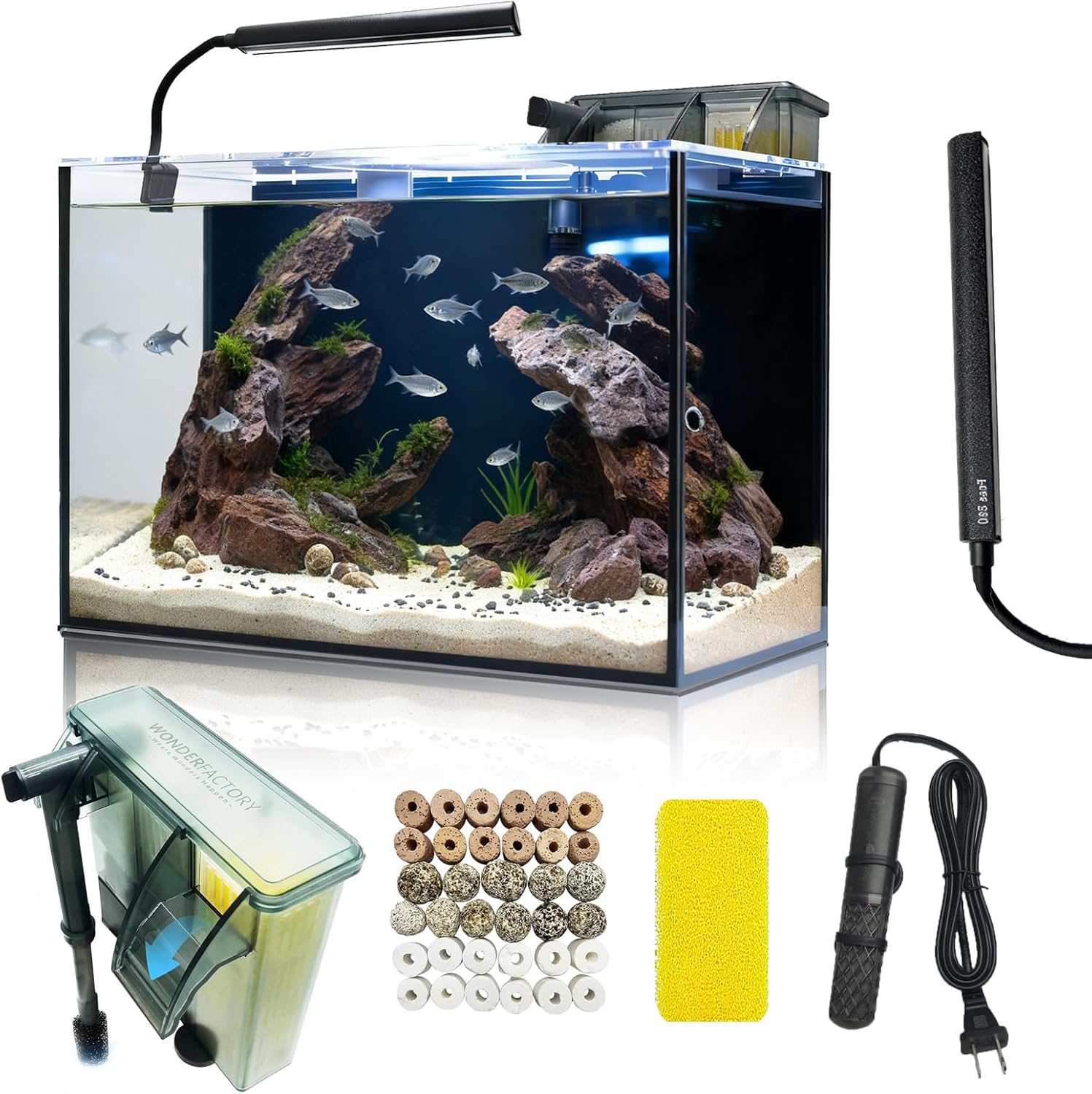
- Low-maintenance pets: Fish, reptiles, and some small mammals require regular care but less direct interaction
Pro Tip
Be realistic about your daily schedule. If you work long hours or travel frequently, a low-maintenance pet might be a better fit than a dog that needs multiple walks and attention throughout the day.
2. Living Situation and Space
Your home environment significantly impacts which pets are suitable:
- Apartments: Cats, small dogs, small mammals, birds, fish, and reptiles can thrive in apartments
- Houses with yards: Larger dogs and outdoor cats benefit from more space
- Rental restrictions: Many landlords have restrictions on pets, especially dogs and cats
- Allergies: Consider family members or roommates with pet allergies
3. Financial Considerations
Pet ownership involves both initial and ongoing expenses:
- Initial costs: Adoption/purchase fees, supplies, vaccinations, spaying/neutering
- Monthly expenses: Food, litter, grooming, preventive medications
- Unexpected costs: Veterinary emergencies, which can run into thousands of dollars
- Long-term commitment: Some pets live 10-20 years, requiring financial planning
4. Family Situation and Experience Level
Consider who will interact with the pet and their experience with animals:
- Children: Some pets are more tolerant and safer around children than others
- Other pets: Consider how a new pet will interact with existing animals
- First-time owners: Some pets are easier for beginners than others
- Special needs: Elderly or disabled family members may need specific types of pets
Pet Comparison: Finding Your Match
Use this comprehensive comparison table to evaluate different types of pets based on key factors:
| Pet Type | Time Commitment | Space Needs | Cost Level | Family Friendly | Lifespan |
|---|---|---|---|---|---|
| Dog | High | Medium-Large | High |
High
|
10-15 years |
| Cat | Medium | Small-Medium | Medium |
Medium
|
12-18 years |
| Bird | Medium-High | Small-Medium | Medium |
Medium
|
5-80 years (varies by species) |
| Fish | Low | Small | Low-Medium |
High
|
1-10 years (varies by species) |
| Small Mammal | Low-Medium | Small | Low |
High
|
2-8 years (varies by species) |
| Reptile | Low | Small-Medium | Medium |
Low
|
5-20 years (varies by species) |

Matching Pets to Lifestyles
Different lifestyles call for different types of pets. Here are some recommendations based on common living situations:
For Busy Professionals
If you work long hours or travel frequently:
- Cats: Independent nature makes them ideal for people with busy schedules
- Adult dogs: Consider lower-energy breeds or rescue dogs that are past the puppy stage
- Fish: Low maintenance and visually relaxing
- Reptiles: Require minimal daily interaction
- Small mammals: Some, like hamsters, are nocturnal and active when you're home in the evening
For Families with Children
When choosing a pet for a household with kids:
- Dogs: Gentle, patient breeds like Labrador Retrievers, Golden Retrievers, or Beagles
- Cats: Adult cats with known calm temperaments (avoid very young kittens)
- Small mammals: Guinea pigs and rabbits can be good choices for gentle older children
- Fish: Great for teaching responsibility with lower risk
Important
Always supervise interactions between young children and pets. Teach children how to approach and handle animals gently and respectfully. Even the most patient pet can react defensively if hurt or frightened.
For Apartment Dwellers
Living in limited space doesn't mean you can't have a pet:
- Cats: Naturally adapt well to indoor living
- Small dog breeds: Such as French Bulldogs, Cavalier King Charles Spaniels, or Pugs
- Birds: Smaller species like parakeets or cockatiels
- Small mammals: Hamsters, gerbils, or guinea pigs
- Reptiles: Leopard geckos or corn snakes
- Fish: Perfect for small spaces with appropriate tank sizes
For First-Time Pet Owners
If you're new to pet ownership, consider these beginner-friendly options:
- Cats: Generally lower maintenance than dogs
- Adult dogs: Avoid high-energy breeds or puppies that require extensive training
- Fish: Start with hardy species like bettas or goldfish
- Small mammals: Guinea pigs are typically gentle and social
- Birds: Budgies or cockatiels are good starter birds

Adoption vs. Buying: Making an Ethical Choice
When acquiring a pet, you have several options, each with different considerations:
Animal Shelters and Rescue Organizations
Pros:
- Save a life and reduce pet overpopulation
- Typically lower cost than buying from a breeder
- Animals are often already spayed/neutered and vaccinated
- Staff can provide information about the animal's personality
Cons:
- Limited information about genetic history or early life
- May have behavioral issues from previous experiences
- Limited selection of specific breeds
Responsible Breeders
Pros:
- Knowledge of genetic history and health background
- Ability to choose specific breeds with predictable traits
- Support and guidance from the breeder
- Opportunity to raise the animal from a young age
Cons:
- Higher cost than adoption
- Contributes to breeding when shelters are full
- Need to carefully vet breeders to avoid puppy mills
Our Recommendation
We strongly encourage considering adoption first. Millions of wonderful animals in shelters are waiting for homes. If you have your heart set on a specific breed, look for breed-specific rescue organizations.
Interactive Pet Selection Quiz
Still unsure which pet might be right for you? Take our quick lifestyle quiz to get personalized recommendations:
1. How much time can you dedicate to your pet daily?
2. What's your living situation?
3. Who will interact with the pet?
4. What's your experience with pets?
5. What's your budget for pet care?
Final Considerations Before Bringing Home a Pet
Before making your final decision, consider these last important points:
- Research thoroughly: Learn everything you can about your chosen pet's needs
- Pet-proof your home: Remove hazards and create a safe environment
- Find a veterinarian: Establish care before bringing your pet home
- Gather supplies: Have everything ready before your pet arrives
- Plan the introduction: Especially important if you have other pets
- Be patient: Adjustment periods can take weeks or months
Final Thought
Choosing a pet is a significant decision that will impact your life for years to come. While it's exciting to welcome a new companion, taking the time to make an informed choice will ensure a happy, healthy relationship for both you and your pet. Remember that pets are individuals with unique personalities, so even within a species or breed, there can be considerable variation.