Litter box problems are among the most common frustrations for cat owners, but they don't have to be. With the right litter box solutions, you can create a stress-free bathroom experience for your feline friend and eliminate odors from your home. This comprehensive 2026 guide covers everything from choosing the perfect litter box to solving common behavioral issues.
Understanding your cat's preferences and needs is key to successful litter box management. Whether you're dealing with a kitten, senior cat, or multiple felines, this guide provides practical solutions backed by feline behavior research. For related cat care topics, check out our complete cat behavior guide.
Table of Contents
- Understanding Cat Bathroom Behavior
- Types of Litter Boxes: Pros and Cons
- Choosing the Right Cat Litter in 2026
- Optimal Litter Box Placement Strategies
- Advanced Odor Control Solutions
- Solutions for Multiple Cat Households
- Solving Common Litter Box Problems
- Automatic & Self-Cleaning Litter Boxes
- 2026 Litter Box Trends and Innovations
- Top 3 Recommended Litter Box Solutions
- Litter Box Maintenance Schedule
- Frequently Asked Questions

Understanding Cat Bathroom Behavior
Cats are naturally clean animals with specific bathroom preferences rooted in their wild ancestry. Understanding these instincts is the first step toward creating effective litter box solutions.
Territory Marking
Cats use urine and feces to mark territory. Proper litter box management reduces stress-related marking behaviors. According to the Humane Society, inappropriate elimination is often a sign of stress or medical issues.
Safety First
Cats feel vulnerable while eliminating. They prefer locations with multiple escape routes and avoid areas where they might feel trapped. This explains why some cats avoid covered boxes or boxes in corners.
Odor Sensitivity
A cat's sense of smell is 14 times stronger than humans. Strong cleaning chemicals or dirty litter boxes can be overwhelming. Natural, unscented solutions often work better than heavily perfumed products.
Size Matters
The rule of thumb: litter boxes should be 1.5 times the length of your cat from nose to tail. Most commercial boxes are too small for average adult cats, leading to discomfort and avoidance.
Did You Know?
Cats have a natural preference for fine-grained, sand-like litter because it mimics their ancestral bathroom substrate. Research from the Cornell Feline Health Center shows that 70% of cats prefer unscented, clumping litter over other types.
Recommended Litter Box Solution
Editor's Choice
IRIS Top Entry Cat Litter Box
Top-entry design reduces litter tracking by 85%. High walls contain mess, while the patented grate catches litter from paws. Perfect for multi-cat households and cats who dig vigorously. Senior cats with arthritis may need special accommodations.
Check Amazon PriceTypes of Litter Boxes: Pros and Cons
The market offers numerous litter box designs, each with advantages and drawbacks. Understanding these differences helps you choose the best litter box solution for your specific situation.
| Type | Best For | Pros | Cons |
|---|---|---|---|
| Open Traditional | Most cats, especially seniors | Inexpensive, easy to clean, most cats accept | Odor spreads easily, litter tracking |
| Covered/Hooded | Odor control, privacy seekers | Contains odor and litter, provides privacy | Some cats feel trapped, retains odors inside |
| Top Entry | Diggers, multi-cat homes | Minimal tracking, contains mess well | Not suitable for seniors/kittens, harder entry |
| Self-Cleaning | Busy owners, multi-cat homes | Automatic cleaning, reduces daily maintenance | Expensive, mechanical failures, noise fears |
| Sifting System | Budget-conscious owners | Easy waste removal, extends litter life | Multiple pieces to clean, can be messy |
| Hidden/Furniture | Aesthetic-conscious owners | Discreet, blends with home decor | Expensive, limited ventilation, harder to clean |
Litter Box Selection Checklist
- Is the box 1.5 times your cat's length?
- Does it have low enough entry for your cat's age/ability?
- Is it easy for you to clean daily?
- Does it fit in your chosen location?
- Does your cat show signs of accepting this type?
- Is it within your budget for replacement every 1-2 years?
Choosing the Right Cat Litter in 2026
The litter you choose significantly impacts your litter box solutions success. Modern options go beyond traditional clay, offering eco-friendly, health-conscious alternatives.
Clumping Clay
Most popular choice. Excellent odor control, easy scooping. Modern versions are 99% dust-free. Best for: Most households, especially multi-cat homes. Consider low-tracking formulas to reduce cleanup.
Natural/Biodegradable
Eco-friendly options. Made from corn, wheat, pine, or recycled paper. Low dust, often flushable. Best for: Environmentally conscious owners, cats with respiratory issues. Monitor for mold in humid climates.
Silica Gel Crystals
Superior odor control. Highly absorbent, lasts longer. Caution: Can be dangerous if ingested, some cats dislike the texture. Best for: Single-cat households with attentive owners.
Recycled Paper
Dust-free and soft. Excellent for post-surgical cats or kittens. Highly absorbent but less odor control. Best for: Kittens, recovering cats, households with allergy sufferers.
ZimuShop 2026 Litter Preference Study
We surveyed 1,200 cat owners about litter preferences and satisfaction:
| Litter Type | Owner Satisfaction | Cat Acceptance | Odor Control | Dust Level | Cost/Month |
|---|---|---|---|---|---|
| Clumping Clay | 88% | 92% | 8.5/10 | Low-Modern | $18-25 |
| Natural Corn | 82% | 78% | 7.2/10 | Very Low | $22-30 |
| Silica Crystals | 76% | 65% | 9.1/10 | None | $25-35 |
| Recycled Paper | 71% | 82% | 6.3/10 | None | $20-28 |
| Pine Pellet | 68% | 58% | 7.8/10 | Low | $15-22 |
*Based on 1,200 survey responses from cat owners tracking preferences over 6 months.
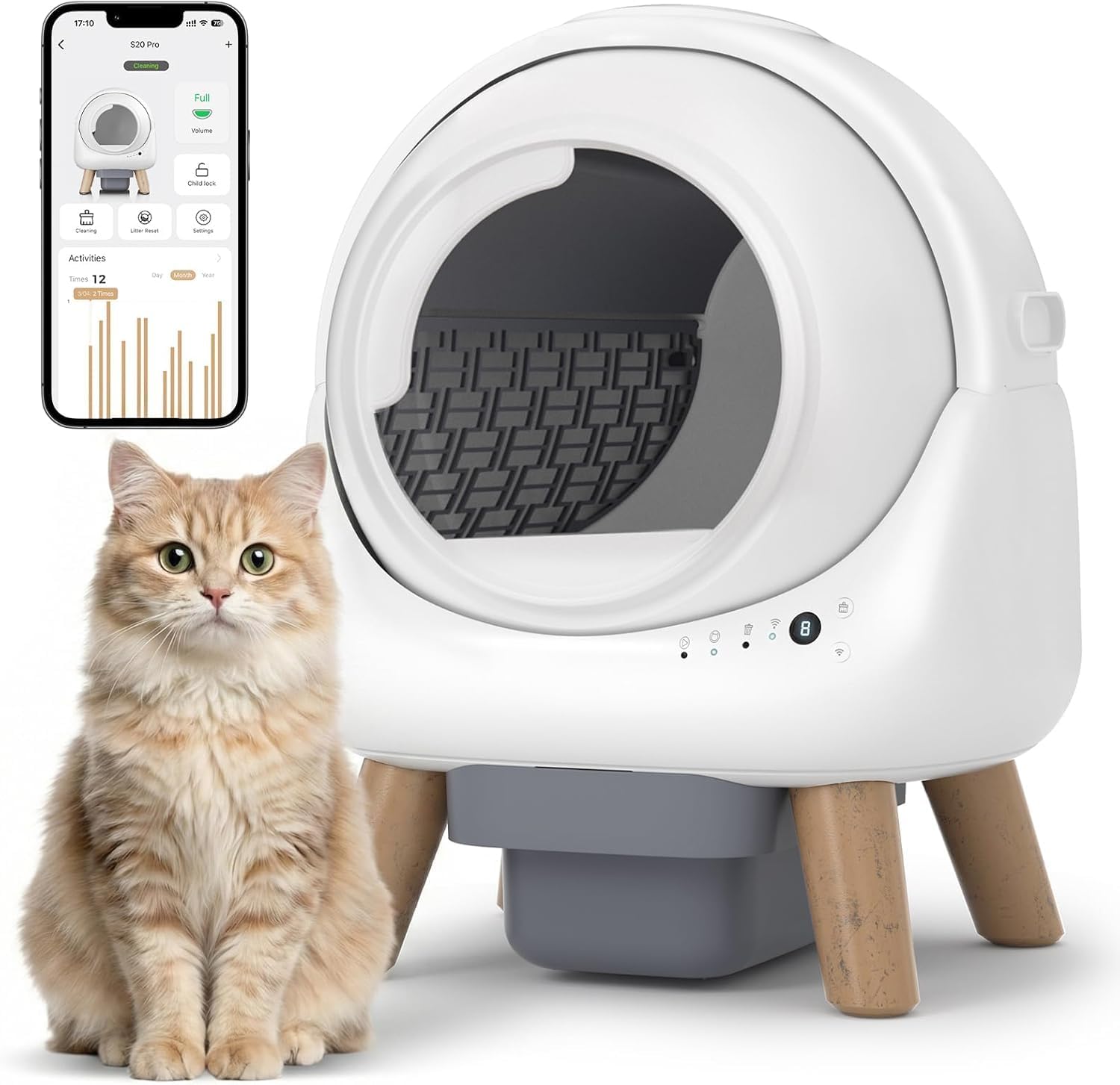
Automatic Litter Box
Smart Technology
Litter-Robot 4 Automatic Self-Cleaning
Wi-Fi connected, automatic cleaning after each use. Reduces odor and daily maintenance. Accommodates cats up to 20lbs. App notifications for waste drawer fullness.
Check Amazon PriceOptimal Litter Box Placement Strategies
Location is often the difference between litter box success and failure. Follow these placement strategies based on feline behavior research:
Multiple Escape Routes
Avoid placing boxes in corners or dead-end spaces. Cats prefer locations with at least two exit paths to avoid feeling trapped while vulnerable.
Away from Resources
Keep litter boxes separate from food, water, and sleeping areas. Cats naturally avoid eliminating near their living and eating spaces.
Quiet but Accessible
Choose low-traffic areas away from loud appliances (washers, dryers) but ensure easy 24/7 access. Bathrooms, laundry rooms, or spare bedrooms often work well.
Multi-Level Homes
For multi-story homes: one box per floor plus one extra. This prevents accidents when cats can't reach their preferred location in time.
Common Placement Mistakes
- Basements or garages: Too isolated, may be avoided
- Near noisy appliances: Frightening vibrations and sounds
- Next to cat food/water: Unnatural and often rejected
- In high-traffic family rooms: Too much disturbance
- Behind furniture: Difficult access, feels like a trap
- Near windows with outdoor cats: Can trigger territorial stress
According to the ASPCA, inappropriate elimination is the most common behavior problem reported by cat owners, often solved by proper placement.

Advanced Odor Control Solutions
Effective odor control requires a multi-faceted approach. These advanced solutions address odor at every stage:
Scoop Twice Daily
Remove solid waste immediately. For multi-cat households, scoop after each use if possible. This prevents ammonia buildup, which is harmful to cats' respiratory systems.
Complete Litter Change
Even with clumping litter, change all litter weekly. Wash box with mild, unscented soap (avoid ammonia or citrus cleaners). Baking soda at the bottom helps absorb odors.
Deep Clean Box
Use enzyme cleaners specifically designed for pet odors. These break down urine crystals that regular cleaners miss. Replace old boxes annually as plastic absorbs odors.
Room Solutions
Use air purifiers with HEPA and carbon filters near litter areas. Maintain good ventilation. Activated charcoal bags near (not in) boxes absorb ambient odors effectively.
Solutions for Multiple Cat Households
Multi-cat homes present unique challenges. Follow this formula for multiple cat success:
The Golden Rule
Number of litter boxes = Number of cats + 1
Example: 3 cats need 4 litter boxes minimum. Place boxes in
different locations to prevent resource guarding and provide
escape options during conflicts.
Size and Space
Extra-large boxes or storage containers converted to litter boxes prevent competition. Minimum dimensions: 22" x 18" for standard cats, larger for big breeds.
Social Dynamics
Place boxes to accommodate social hierarchies. Subordinate cats need boxes away from dominant cats' favorite spots. Multiple entrance/exit points reduce ambush opportunities.
Maintenance Frequency
Multi-cat households need more frequent cleaning. Scoop at least twice daily, change litter every 5-6 days, and consider self-cleaning options for busy households.
Stress Reduction
Use Feliway or similar pheromone diffusers near litter areas. Provide vertical spaces and hiding spots to reduce competition stress that leads to litter box issues.
Natural Litter Solution
Eco-Friendly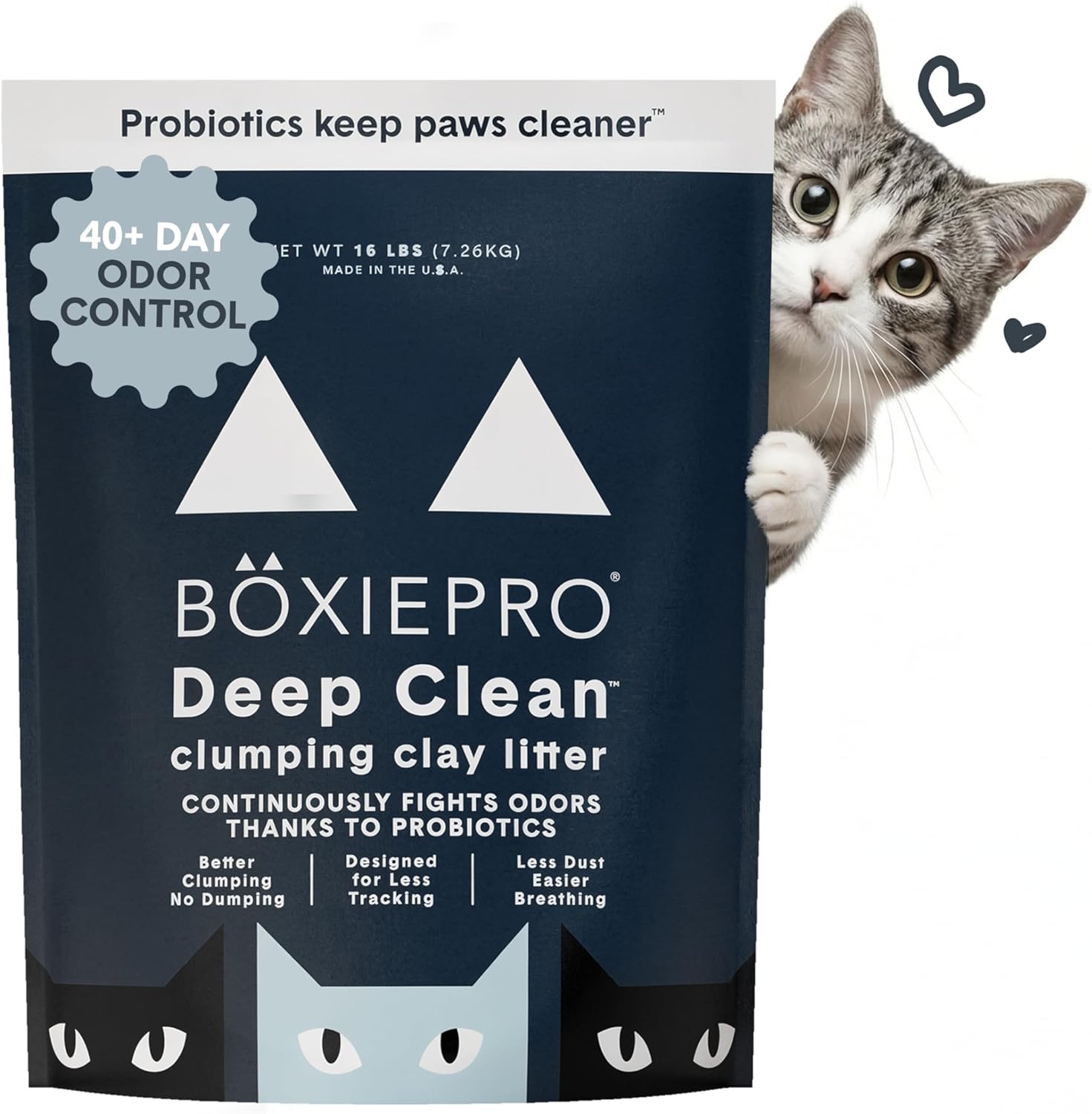
World's Best Cat Litter Multiple Cat Formula
Made from whole-kernel corn, 99% dust-free, flushable and septic-safe. Excellent clumping for multi-cat households. Low tracking and natural odor control. Research from the Cornell Feline Health Center confirms that natural, unscented litters have the highest feline acceptance rates.
Check Amazon PriceSolving Common Litter Box Problems
When litter box problems arise, systematic troubleshooting identifies the cause and solution:
Litter Box Avoidance
Problem: Cat eliminates outside the box.
Possible Causes: Medical issues (UTI,
diabetes), dirty box, wrong litter type, location issues,
stress, or box type preference.
Solutions: Veterinary check first, then
experiment with different litters, locations, and box types. Add
additional boxes in problem areas.
Spraying and Marking
Problem: Cat sprays vertical surfaces.
Possible Causes: Territorial stress, new
animals/people, outdoor cats visible through windows, multi-cat
tension.
Solutions: Clean with enzyme cleaners, use
Feliway diffusers, block window views of outdoor cats, provide
more resources (boxes, food stations, perches).
Excessive Digging
Problem: Cat digs violently, scattering
litter.
Possible Causes: Natural behavior, insufficient
litter depth, box too small, stress relief.
Solutions: Use deeper litter (3-4 inches),
larger boxes with higher sides, top-entry boxes, or litter mats
with deep edges.
Your 4-Week Litter Box Improvement Plan
- Track all litter box uses and accidents
- Evaluate current box size, type, and location
- Assess litter depth and cleanliness
- Note household stressors or changes
- Schedule veterinary wellness check
- Test 2 different litter types in separate boxes
- Try different box locations (quiet, accessible)
- Experiment with covered vs. open boxes
- Adjust litter depth (2-4 inches)
- Introduce pheromone diffusers if needed
- Adopt most successful setup from Week 2
- Establish consistent cleaning schedule
- Add additional boxes if needed (n+1 rule)
- Address environmental stressors identified
- Begin positive reinforcement for box use
- Track improvement in box usage
- Note reduction in accidents
- Evaluate odor control effectiveness
- Adjust maintenance schedule as needed
- Share successful strategy with household
2026 Litter Box Trends and Innovations
The litter box market is evolving rapidly. Here are the 2026 trends transforming cat bathroom experiences:
Smart Connectivity
Wi-Fi enabled boxes send usage reports, health alerts, and maintenance reminders. Some models analyze waste for early health issue detection, connecting with veterinary portals.
Sustainable Materials
Biodegradable boxes made from recycled paper, bamboo, or plant-based plastics. Compostable litter options that break down in 30-90 days, reducing landfill waste.
Health Monitoring
Advanced sensors detect changes in frequency, volume, or composition of waste. Early warning for urinary tract issues, diabetes, or kidney problems before symptoms appear.
Integrated Furniture
Stylish cabinets and benches that completely hide litter boxes while providing proper ventilation and easy access. Customizable to match home decor with odor-control systems.

Litter Box Maintenance Schedule
Consistent maintenance prevents problems before they start. Follow this comprehensive schedule:
Scoop and Inspect
Scoop solid waste 1-2 times daily. Check for unusual changes in waste (color, consistency, frequency). Top up litter as needed to maintain 3-inch depth.
Complete Refresh
Empty all litter. Wash box with mild, unscented soap and hot water. Dry thoroughly before adding fresh litter. Disinfect surrounding floor area.
Deep Cleaning
Use enzyme cleaner to break down odor crystals. Inspect box for scratches or damage that harbors bacteria. Replace litter mats and air filters if used.
Box Replacement
Replace plastic boxes annually as they absorb odors and develop microscopic scratches. Consider upgrading if your cat's needs have changed (age, health, size).
Eco-Friendly Maintenance Tips
- Compostable waste bags: Use for scooping instead of plastic
- Biodegradable cleaners: Vinegar and baking soda solutions
- Litter recycling: Some communities accept certain litters
- Water conservation: Use minimal water when cleaning boxes
- Energy efficiency: Choose manual boxes over electric when possible
- DIY solutions: Convert storage containers instead of buying new boxes
Additional Resources
Final Thoughts on Litter Box Success
Effective litter box solutions require understanding your cat's natural behaviors while addressing practical concerns about cleanliness and odor. Remember that most litter box problems are solvable with patience, observation, and systematic troubleshooting.
The key is viewing the litter box from your cat's perspective: Is it clean? Is it safe? Is it comfortable? Is it in the right location? When you address these feline priorities, human concerns about odor and mess naturally resolve.
Every cat is unique, so be prepared to experiment and adjust. What works perfectly for one cat may not suit another. For more personalized guidance, explore our individual cat care consultation services.
With the right approach, litter box management becomes a simple part of daily routine rather than a constant source of frustration. Your cat's comfort and your home's freshness are both achievable with these comprehensive litter box solutions.