Treats can be wonderful tools for bonding with your horse, rewarding good behavior, and making training sessions more effective. However, not all treats are created equal, and improper use can lead to behavioral issues or health problems. This comprehensive guide will help you choose the right treats and use them safely to enhance your relationship with your horse.
From understanding which treats are healthiest to learning proper feeding techniques, this article covers everything you need to know about equine treats. For more information on overall equine nutrition, check out our complete guide to horse nutrition.
Table of Contents

Why Use Treats with Horses?
Treats serve multiple purposes in horse-human relationships. When used correctly, they can strengthen bonds, facilitate training, and provide mental stimulation. According to research from the University of Sydney, food rewards can significantly improve learning in horses when applied correctly.
Bonding & Trust
Treats given consistently and fairly can help build positive associations with humans, strengthening the bond between horse and handler.
Best Practices:
- Give treats during calm moments
- Use as positive reinforcement
- Maintain consistency
Training Reinforcement
Treats can mark desired behaviors immediately, making them powerful tools for positive reinforcement training methods.
Effective Uses:
- Clicker training
- Teaching new skills
- Overcoming fears
Mental Stimulation
Treat-dispensing toys and puzzle feeders can provide valuable mental exercise, reducing boredom and stereotypic behaviors.
Enrichment Ideas:
- Treat balls
- Puzzle feeders
- Hidden treats in hay
Pro Tip
Always pair treats with verbal praise and physical affection. This creates multiple positive associations and ensures your horse doesn't become solely food-motivated. For comprehensive training techniques, see our complete horse training guide.
Safe and Healthy Treat Options
Choosing appropriate treats is essential for your horse's health and safety. The best treats are natural, low in sugar, and appropriate for your horse's dietary needs. The Kentucky Equine Research provides excellent guidelines on safe treat options.

Best Natural Treats for Horses
Fruits
Apples (seeds removed), bananas, watermelon (rind okay), pears, peaches (pit removed), and berries. Always wash thoroughly and cut into appropriate sizes.
Feeding Tips:
- Remove seeds and pits
- Cut into bite-sized pieces
- Limit to 1-2 pieces per day
Vegetables
Carrots (cut lengthwise to prevent choking), celery, pumpkin, squash, sweet potatoes (cooked), and beet pulp (soaked).
Preparation:
- Wash thoroughly
- Cut appropriately
- Cook hard vegetables
Commercial Treats
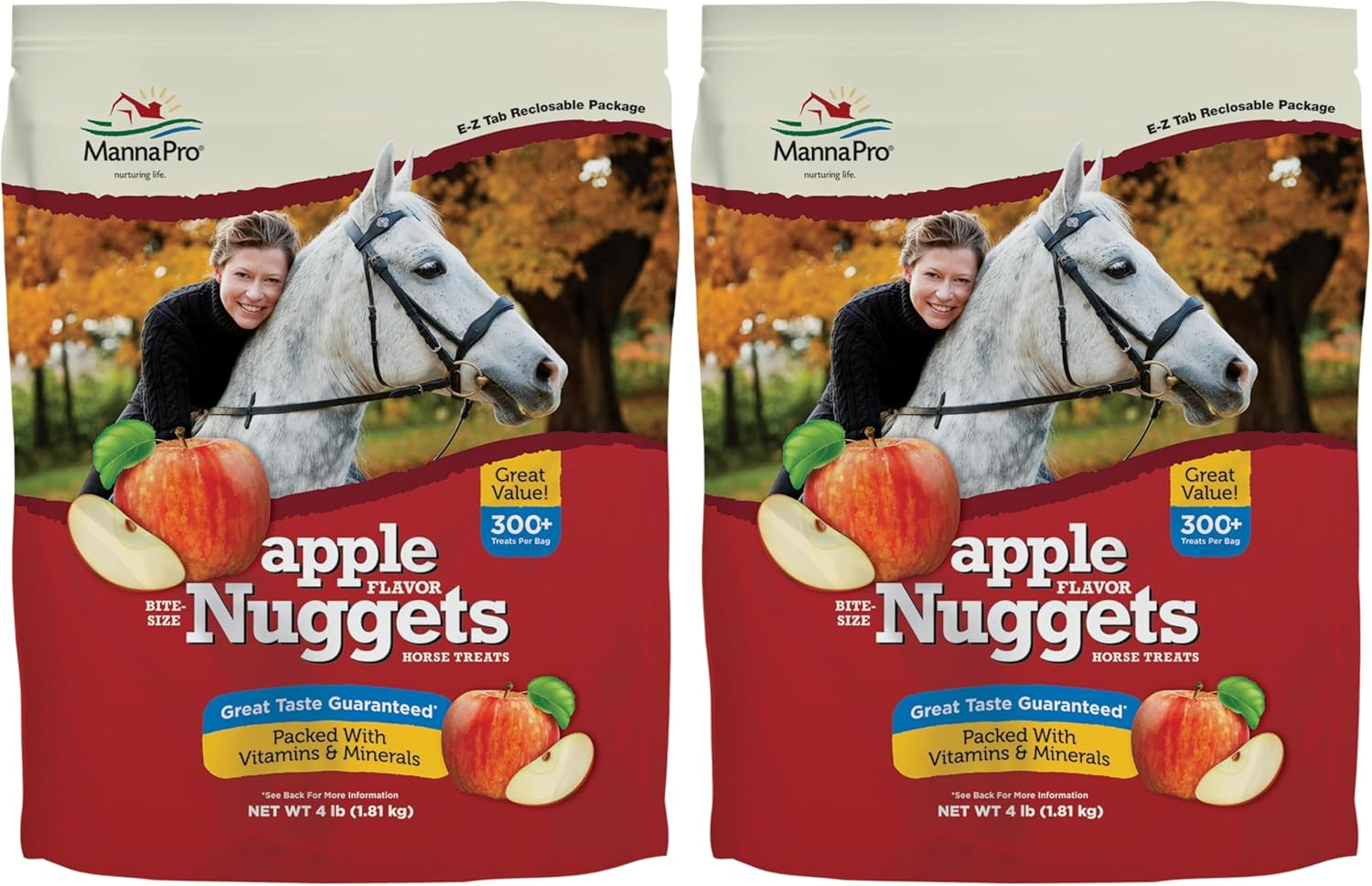
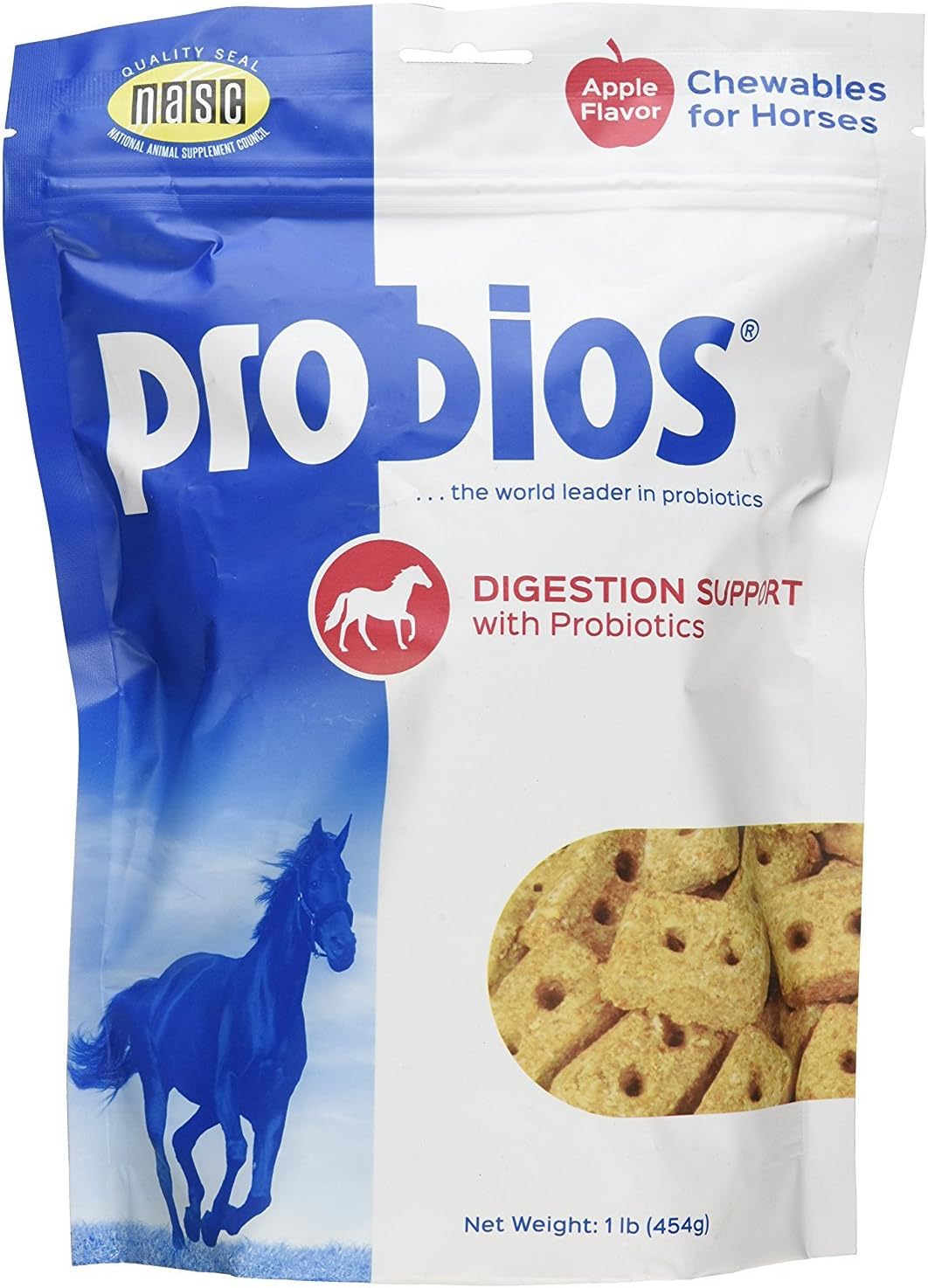
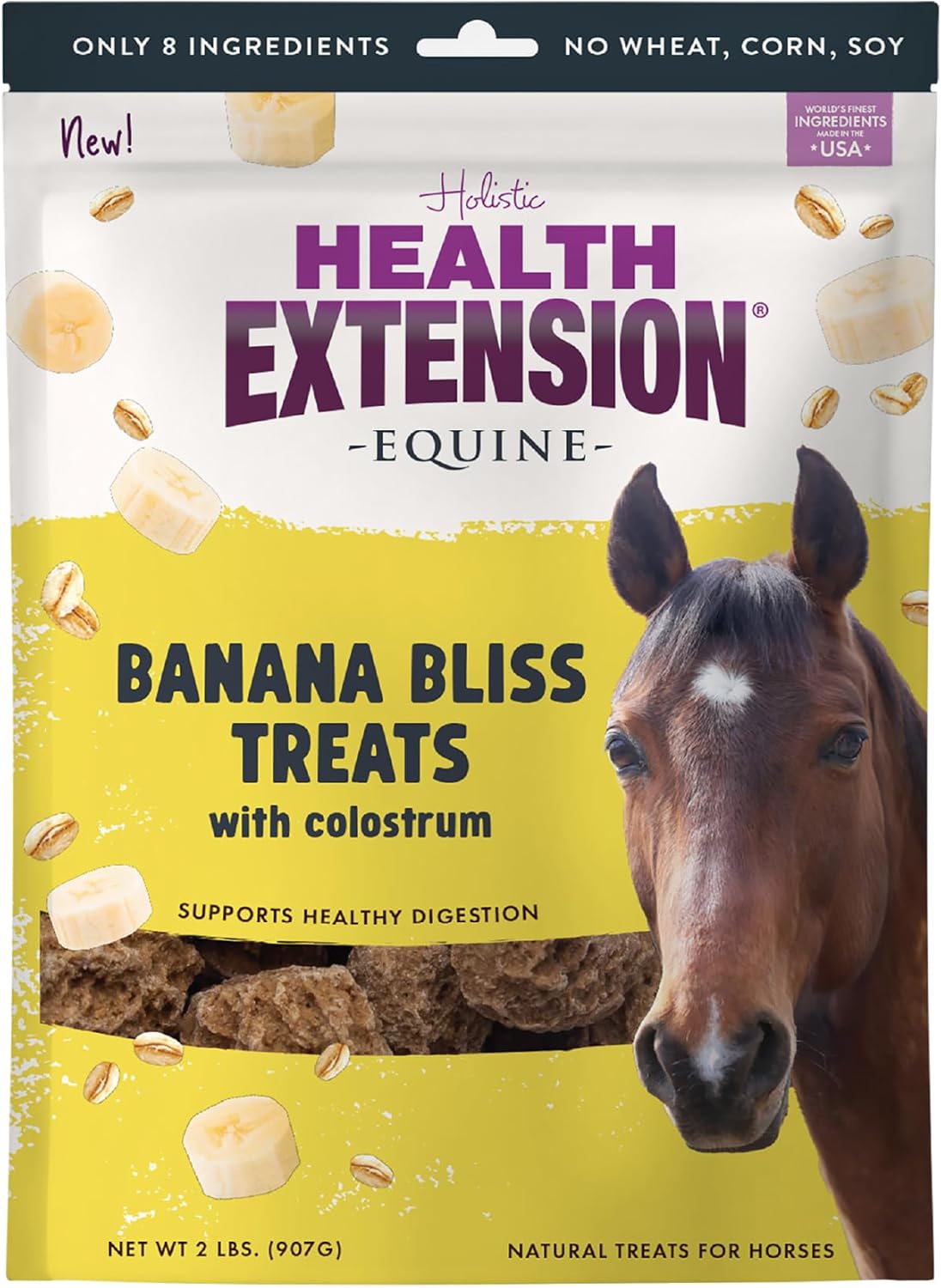
Look for treats with natural ingredients, low sugar content, and added vitamins/minerals. Avoid artificial colors, flavors, and preservatives.
What to Look For:
- Natural ingredients
- Low sugar content
- No artificial additives
Important
Always introduce new treats gradually to monitor for any adverse reactions. Some horses may have allergies or sensitivities. Never feed moldy or spoiled treats. For horses with metabolic issues like insulin resistance, consult your veterinarian about appropriate treat options.
Treats to Avoid or Limit
Some common human foods can be dangerous or unhealthy for horses. Knowing what to avoid is just as important as knowing what to feed.
Dangerous or Unhealthy Treats
- Chocolate: Contains theobromine, which is toxic to horses
- Avocado: All parts contain persin, toxic to many animals
- Onions & Garlic: Can cause anemia in large quantities
- Caffeine: Found in coffee, tea, and some sodas
- Bread & Pastries: High in sugar and can cause digestive issues
- Meat & Dairy: Horses are herbivores and cannot digest these properly
- Stone fruits with pits: Pits contain cyanide compounds
Using Treats for Training
Treats can be powerful training tools when used correctly. The key is timing, consistency, and understanding the principles of positive reinforcement.
Positive Reinforcement Principles
Positive reinforcement involves adding something desirable (like a treat) immediately after a desired behavior, increasing the likelihood that behavior will be repeated. According to the International Society for Equitation Science, this method is highly effective for horse training.
Proper Timing is Crucial
The treat must be delivered within 1-3 seconds of the desired behavior for the horse to make the connection. Many trainers use a "bridge signal" like a clicker or specific word to mark the exact moment of correct behavior, followed by the treat.
Consistency is Key
Always reward the same behavior the same way. Inconsistent reinforcement can confuse horses and undermine training efforts. Establish clear criteria for what earns a reward.

Safe Feeding Techniques
How you give treats is just as important as what you give. Proper technique prevents nipping, biting, and pushy behavior.
Flat Hand Method
Place the treat on your flat palm with fingers together. This prevents accidental nipping and teaches the horse to take treats gently.
Designated Spot
Always feed treats in the same location (like a bucket or feed tub) to prevent horses from searching pockets or becoming pushy.
Earned Rewards
Only give treats for specific behaviors or during training sessions. Random treat-giving can encourage mugging and bad manners.
Safety Note
Never feed treats directly from your mouth or allow horses to take treats from between your fingers. Always supervise children when they're giving treats to horses.
DIY Healthy Horse Treat Recipes
Making your own horse treats allows you to control ingredients and tailor them to your horse's dietary needs. Here are three simple, healthy recipes.
Apple-Oat Horse Cookies
Ingredients: 2 cups oats, 1 cup shredded apple, 1/4 cup molasses, 1/4 cup flour, 1/4 cup water
Instructions: Mix all ingredients, form into small balls, flatten slightly, and bake at 350°F (175°C) for 15-20 minutes until firm.
Carrot-Pumpkin Bites
Ingredients: 1 cup pureed pumpkin, 1 cup shredded carrots, 2 cups oats, 1/4 cup flaxseed, 1/4 cup water
Instructions: Combine ingredients, form into bite-sized pieces, and bake at 325°F (160°C) for 25-30 minutes.
Peppermint Horse Treats
Ingredients: 2 cups oats, 1/2 cup molasses, 1/4 cup crushed peppermint candies (optional), 1/4 cup flour
Instructions: Mix thoroughly, form into small treats, and bake at 350°F (175°C) for 12-15 minutes.
Storage Note
Homemade treats without preservatives should be stored in airtight containers and used within 1-2 weeks. For longer storage, freeze portions and thaw as needed. Always check for mold before feeding.
Treats for Special Needs Horses
Horses with specific health conditions may require modified treat options. Always consult with your veterinarian for personalized advice.
Metabolic/Insulin Resistant Horses
Choose low-sugar, low-starch options like celery, pumpkin, or specially formulated commercial treats designed for metabolic horses.
Senior Horses with Dental Issues
Offer soft treats like mashed banana, soaked beet pulp, or commercial senior horse treats that are easy to chew and digest.
Allergic or Sensitive Horses
Stick to single-ingredient treats and introduce new items one at a time to monitor for reactions.
Non-Food Rewards and Alternatives
Food isn't the only way to reward your horse. Sometimes non-food rewards can be even more effective, especially for horses that aren't food-motivated.
Scratch Spots
Most horses love being scratched in specific spots like the withers, chest, or along the neck. Learn your horse's favorite spots.
Rest Breaks
During training sessions, a short rest can be a powerful reward for horses, especially during strenuous work.
Verbal Praise
Use a consistent, warm tone of voice to praise your horse. Many horses respond positively to vocal reinforcement.
Final Thought
Treats, when used thoughtfully and appropriately, can be wonderful tools for bonding with your horse and enhancing training. Remember that moderation is key treats should complement, not replace, a balanced diet. Always prioritize safety in how you give treats, and consider your individual horse's health needs and personality. For more equine care resources, explore our complete blog or check out our equine treats and supplements.