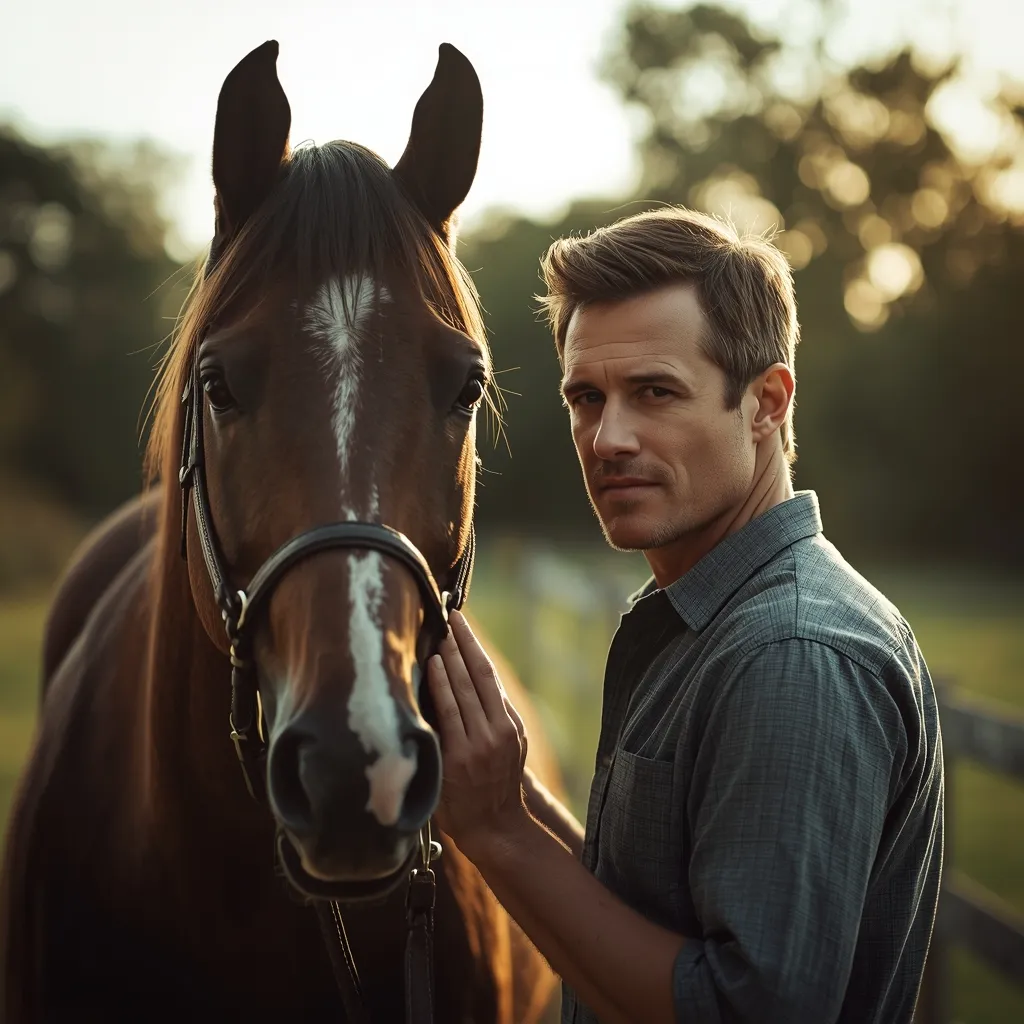
Horse training is both an art and a science that requires patience, understanding, and skill. Whether you're working with a young foal, restarting an older horse, or refining the skills of an experienced equine partner, proper training techniques build trust, ensure safety, and create a harmonious partnership. This comprehensive 2026 guide covers everything from fundamental groundwork to advanced riding techniques, incorporating the latest research in equine behavior and training methodology.
Successful horse training isn't about dominance it's about clear communication, mutual respect, and understanding the unique psychology of the equine mind. With the right approach, you can transform training sessions from battles into rewarding partnerships that benefit both horse and handler. According to the American Association of Equine Practitioners, proper training significantly reduces injury risks for both horse and rider.
Table of Contents
- Understanding Equine Psychology
- Modern Horse Training Methods
- Essential Groundwork Training
- Young Horse Training Timeline
- Riding Training Progression
- Essential Training Equipment
- Common Training Mistakes to Avoid
- Advanced Training Techniques
- Problem Solving & Behavioral Issues
- Frequently Asked Questions

Understanding Equine Psychology
Horses are prey animals with flight instincts deeply ingrained in their DNA. Understanding this fundamental aspect of equine psychology is crucial for effective training. Unlike predators who think in terms of chase and capture, horses are wired to notice subtle changes in their environment and react quickly to perceived threats.
Key principles of equine psychology include:
- Flight Response: Horses are biologically programmed to flee first and ask questions later
- Herd Mentality: They seek safety in numbers and establish clear social hierarchies
- Pressure and Release: Horses naturally move away from pressure and seek comfort
- Learned Behaviors: They quickly learn through repetition and consistent consequences
- Body Language: Horses communicate primarily through subtle physical cues
Training Insight
Research from the University of New England's Equine Research Centre shows that horses learn best through short, frequent training sessions (15-30 minutes) with clear, consistent cues. Their attention span is limited, and they respond better to reward-based learning than punishment-based methods.
Recommended Training Equipment
Editor's Choice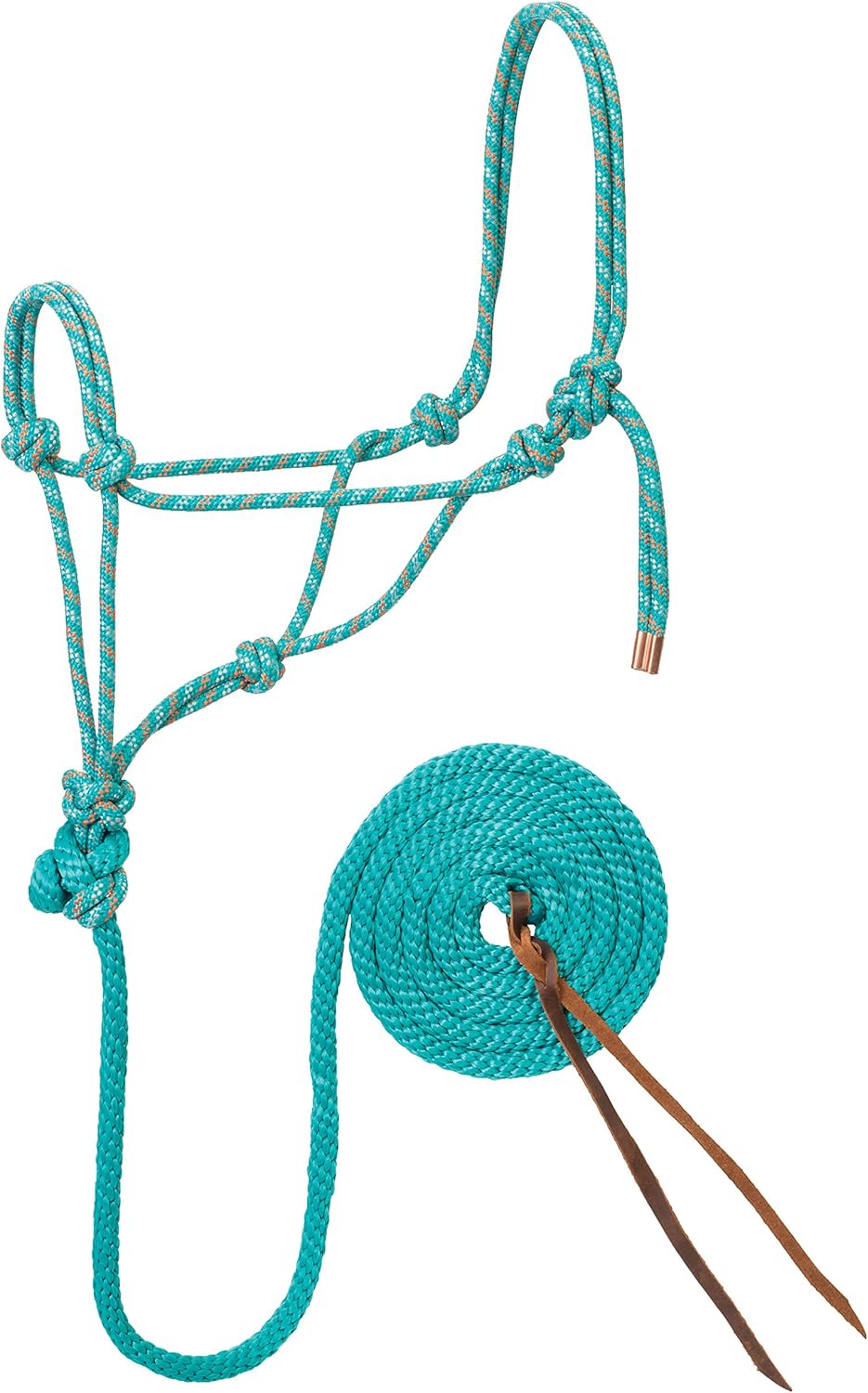
Professional Training Halter & Lead Rope Set
Premium double-stitched nylon training halter with 10-foot lead rope. Designed for precise communication during groundwork training. Features adjustable noseband and crown for perfect fit. Essential for safe and effective training sessions.
Check Amazon PriceModern Horse Training Methods
Contemporary horse training has evolved significantly, moving away from forceful techniques toward methods that prioritize the horse's mental and physical well-being. Here are the three primary approaches used today:
Positive Reinforcement (R+)
Science-based approach using rewards (treats, scratches, rest) to reinforce desired behaviors. Based on operant conditioning principles, this method builds enthusiastic participation and strong human-horse bonds.
- Pros: Creates willing partners, reduces stress, strengthens bond
- Cons: Requires precise timing, can be slow for some behaviors
- Best for: Teaching new behaviors, nervous horses, building confidence
Natural Horsemanship
Communication-based approach that mimics horse herd dynamics. Uses pressure and release, body language, and understanding of equine psychology to establish leadership and respect.
- Pros: Builds respect and trust, emphasizes relationship
- Cons: Can be misapplied, requires understanding of horse behavior
- Best for: Foundation training, problem horses, building connection
Traditional Methods
Discipline-specific approach refined over centuries. Combines elements of negative reinforcement (pressure-release) with established techniques for specific equestrian disciplines.
- Pros: Time-tested techniques, clear progression paths
- Cons: Can become mechanical, may not address individual needs
- Best for: Competitive training, experienced handlers
The most effective trainers often combine elements from all three methods, adapting their approach to the individual horse's personality, learning style, and training goals. According to a 2025 study published in the Journal of Equine Veterinary Science, horses trained with predominantly positive methods showed 40% lower cortisol levels (stress hormone) during training sessions.
Positive Reinforcement in Detail
Positive reinforcement (R+) involves adding something desirable immediately after a desired behavior occurs, increasing the likelihood that behavior will be repeated. In horse training, this typically means:
Marker Training
Use a consistent sound (clicker or verbal marker like "good!") to precisely mark the desired behavior the moment it occurs. The marker tells the horse exactly what earned the reward.
Timing is Everything
The reward must follow within 1-3 seconds of the marked behavior. Horses have excellent associative learning but poor delayed gratification understanding.
Value-Based Rewards
Identify what your horse finds most rewarding this varies by individual. Common rewards include small treats (carrot pieces, commercial horse treats), scratches in favorite spots, or rest/break from work.
Shaping Complex Behaviors
Break down complex behaviors into small, achievable steps. Reward each approximation toward the final behavior, gradually raising criteria.

Essential Groundwork Training
Groundwork forms the foundation of all successful horse training. These exercises establish respect, communication, and safety before you ever mount. A horse that doesn't respect you on the ground won't respect you in the saddle.
Five Essential Groundwork Exercises
Leading with Respect
The horse should walk beside you not ahead, behind, or crowding you. Teach stopping, starting, and turning with light cues. Practice in both directions and varying speeds.
Yielding Hindquarters
Teaching the horse to move its hindquarters away from pressure is fundamental for control and safety. Start with light pressure near the girth area and release immediately when the horse steps away.
Yielding Forequarters
Similar to hindquarter yields, but focusing on moving the front end. Essential for teaching respect of your space and establishing boundaries.
Backing Up
A respectful, responsive backup is one of the most important safety commands. Start with light chest pressure and build to subtle cue recognition.
Desensitization
Gradually introduce potentially scary objects (tarps, bags, flags) in a controlled manner. The goal isn't to force acceptance but to build confidence through gradual exposure.
Groundwork Pro Tips
- Consistency is key: Use the same cues for the same responses every time
- Release is the reward: In pressure-release training, the release of pressure IS the reward
- Short sessions: 15-20 minutes of focused groundwork is more effective than hour-long sessions
- End on success: Always finish with something the horse does well to end positively
- Safety first: Wear proper footwear, work in enclosed areas initially, and always be aware of your positioning
Young Horse Training Timeline
Training a young horse requires patience and an understanding of their physical and mental development. Rushing training can cause both physical damage (to developing joints) and psychological trauma that may last a lifetime.
Imprinting & Early Handling
Gentle handling, halter introduction, touching all over, picking up feet. Focus on building trust and positive human interactions. Formal training should be minimal this is socialization time.
Basic Manners & Desensitization
Leading, tying, standing for grooming and farrier, loading in trailer, accepting blankets. Keep sessions very short (5-10 minutes). The goal is to make handling easy, not to accomplish complex tasks.
Foundation Groundwork
More advanced groundwork: lunging, yielding exercises, introduction to saddle pad and surcingle. Still no riding this is the "long, slow, low" phase of development.
Pre-Riding Preparation
Introduction to bit, bridle, saddle (without rider). Long-lining, ground driving, weight in stirrups. Some breeds mature earlier, but most benefit from waiting until at least 3 for riding.
Under Saddle Introduction
First rides short sessions with experienced, light rider. Basic walk-trot transitions, steering, stopping. Focus on confidence building, not collection or advanced movements.
Critical Considerations for Young Horses
- Growth plates: Most horses' growth plates don't close until 4-6 years old
- Mental maturity: Just because a horse is physically large doesn't mean it's mentally ready
- Breed differences: Smaller breeds often mature earlier than large draft breeds
- Individual variation: Some horses mature faster mentally, others physically train the individual
- Professional help: Consider having a professional start your young horse if you're inexperienced
Essential Training Guide
Bestseller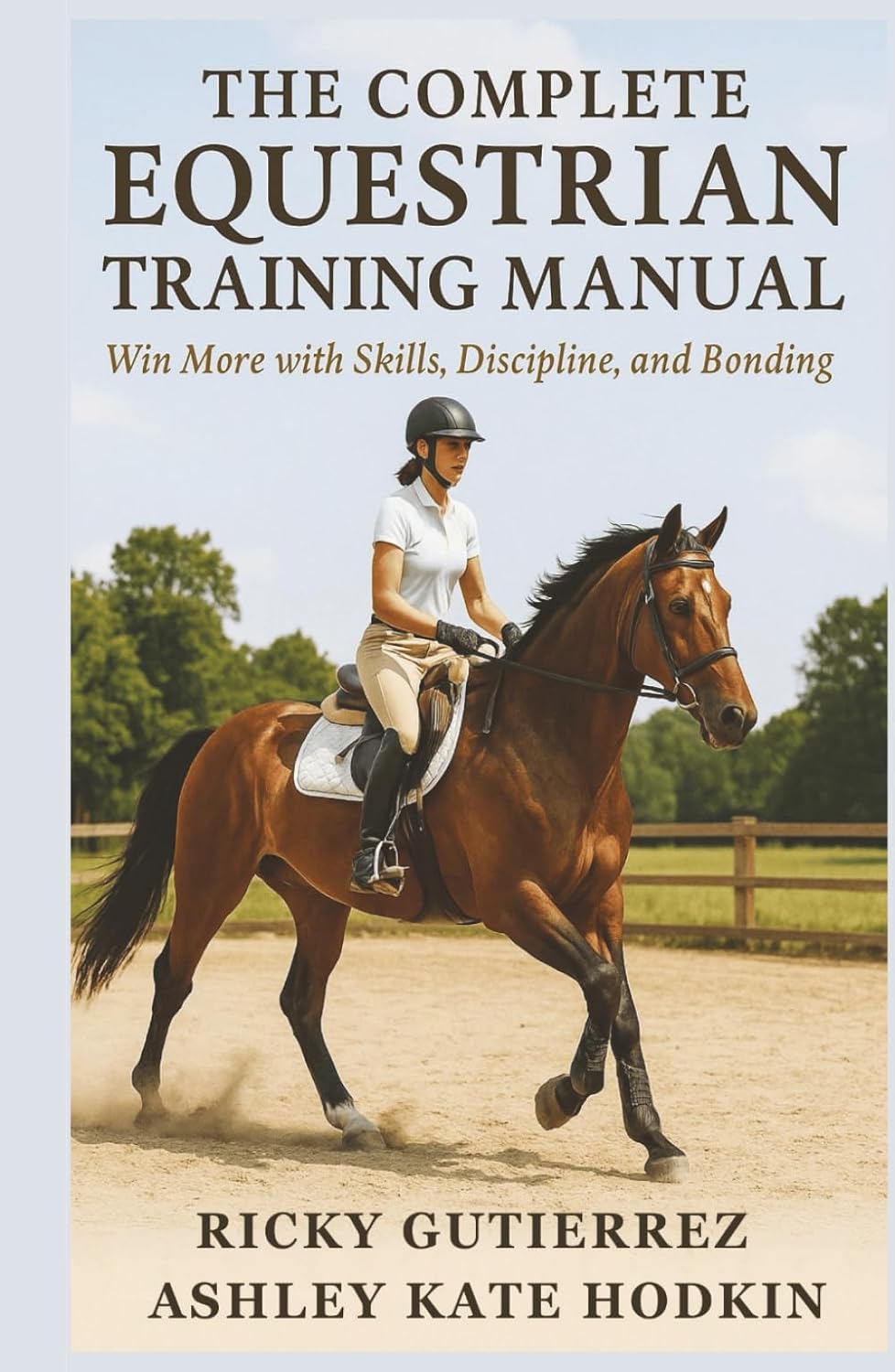
The Complete Horse Training Manual
Comprehensive guide covering everything from foal handling to advanced riding techniques. Step-by-step instructions with photos for each training exercise. Based on current equine behavior science and traditional wisdom.
Check Amazon PriceRiding Training Progression
Once groundwork is solid and the horse is physically and mentally ready, riding training begins. This progression ensures both horse and rider build skills safely and systematically.
Phase 1: First Rides (Weeks 1-4)
- Goal: Build confidence being ridden
- Focus: Walk only, basic steering, gentle stops
- Duration: 10-15 minute sessions, 3-4 times per week
- Environment: Small, enclosed arena with good footing
- Key skill: Teaching "whoa" means stop completely
Phase 2: Developing Balance (Months 2-4)
- Goal: Develop rhythm and balance at all gaits
- Focus: Walk-trot transitions, circles, changes of direction
- Duration: 20-30 minute sessions
- Environment: Arena with occasional trail walks
- Key skill: Maintaining consistent rhythm without constant correction
Phase 3: Building Strength (Months 5-8)
- Goal: Develop muscle and carrying strength
- Focus: Introduction to canter, longer work periods
- Duration: 30-45 minute sessions with walk breaks
- Environment: Mix of arena work and trail riding
- Key skill: Responsive upward and downward transitions
Phase 4: Refinement (Months 9-12+)
- Goal: Develop collection and more advanced skills
- Focus: Lateral work, simple lead changes, beginning jumps (if applicable)
- Duration: 45-60 minute varied sessions
- Environment: Variety of settings including shows/clinics
- Key skill: Light, responsive aids and self-carriage

Essential Training Equipment
The right equipment can enhance training, while poor-quality or ill-fitting gear can hinder progress and even cause harm. Here's what you need for effective horse training:
Training Halters
Specialized halters with knots or rings that apply pressure at specific points. Useful for precise communication but must be used correctly to avoid discomfort.
Long Lines/Lunging Equipment
15-30 foot lines for ground driving and lunging. Essential for teaching voice commands and developing balance without rider weight.
Protective Boots
Bell boots, splint boots, and brushing boots protect legs during training. Particularly important for young horses learning coordination.
Training Saddles
Well-fitted, balanced saddles appropriate for the horse's development stage. Consider treeless or adjustable trees for growing horses.
Common Training Mistakes to Avoid
Even experienced trainers can fall into these common pitfalls. Being aware of them can significantly improve your training outcomes:
Inconsistent Cues
Using different aids for the same command confuses horses. Establish clear, consistent signals and stick to them.
Over-Facing the Horse
Asking for too much too soon leads to frustration and resistance. Break complex tasks into small, achievable steps.
Ignoring the Horse's Mental State
Training a stressed, tired, or distracted horse is ineffective. Learn to recognize signs of mental overload and end sessions appropriately.
Lack of Warm-Up/Cool-Down
Physical preparation prevents injury and improves performance. Always include adequate warm-up and cool-down periods.
Focusing Only on Riding
Neglecting groundwork leads to holes in training. Even experienced horses benefit from regular groundwork sessions.
Progress Tracking Tip
Keep a training journal to track progress, note breakthroughs, and identify patterns. Include date, duration, exercises attempted, horse's attitude, and what worked/didn't work. Review weekly to assess progress and adjust your training plan. Studies from the Hartpury University Equine Department show that trainers who keep journals achieve goals 30% faster than those who don't.
Advanced Training Techniques
Once basic training is solid, you can explore advanced techniques that deepen the partnership and expand your horse's capabilities:
Liberty Training
Training without ropes or tack, using only body language and relationship. Develops exceptional communication and trust. Start in enclosed spaces and build duration gradually.
Cognitive Training
Teaching horses to solve simple problems, recognize shapes/colors, or perform complex chains of behavior. Stimulates mental development and prevents boredom.
Body Awareness Training
Exercises that improve proprioception (body awareness) such as pedestal work, backing through patterns, and navigating obstacles. Improves balance and coordination.
Training Treats
Positive Reinforcement
Natural Horse Training Treats
All-natural, low-sugar treats perfect for positive reinforcement training. Small, bite-sized pieces ideal for quick rewards without disrupting training flow. Made with apples, carrots, and molasses most horses love them!
Check Amazon PriceProblem Solving & Behavioral Issues
Even with perfect training, horses can develop behavioral issues. Here's how to address common problems:
| Problem Behavior | Possible Causes | Training Solutions |
|---|---|---|
| Biting/Nipping | Playfulness, disrespect, pain response, learned behavior | Establish clear boundaries, redirect to acceptable behavior, check for pain sources |
| Bucking | Pain (saddle fit, back issues), excess energy, evasion, fear | Vet check, proper warm-up, gradual desensitization, consistent correction |
| Spooking | Fear response, lack of confidence, high energy, poor vision | Systematic desensitization, confidence-building exercises, ensure proper vision care |
| Refusing to Load | Past trauma, claustrophobia, pain, lack of training | Patient retraining with positive reinforcement, break process into tiny steps |
| Barn/Buddy Sour | Separation anxiety, herd bound, lack of confidence | Gradual separation training, build confidence through positive experiences alone |
Additional Resources
Final Thoughts on Horse Training
Horse training is a journey, not a destination. The most successful trainers are those who view each session as an opportunity to learn alongside their horse. Remember that every horse is an individual with unique personality, learning style, and physical capabilities.
Patience, consistency, and empathy will take you further than force or frustration ever will. When you encounter challenges (and you will), take a step back, assess what's not working, and try a different approach. Sometimes the best training decision is to end a session early and try again tomorrow with fresh perspective.
The ultimate goal of training isn't just a horse that performs commands it's a partnership built on mutual trust and respect that enriches both horse and human lives. For more specialized guidance, explore our complete equine products guide for training equipment recommendations.