
Pet anxiety is a common issue that affects millions of dogs and cats worldwide. Whether it's separation anxiety, fear of loud noises, or general nervousness, seeing your pet in distress can be heartbreaking. The good news is that with patience, understanding, and the right techniques, you can help your anxious pet feel more secure and comfortable.
This comprehensive guide will help you recognize the signs of anxiety in pets, understand the different types of anxiety, and implement effective strategies to comfort your furry friend.
Table of Contents

Recognizing Signs of Anxiety in Pets
Before you can help your anxious pet, you need to recognize the signs of anxiety. These can vary between dogs and cats, and between individual animals.
Common Anxiety Signs in Dogs
Excessive Barking/Whining
Vocalizing more than usual, especially when left alone
Pacing & Restlessness
Unable to settle, constantly moving around
Destructive Behavior
Chewing, digging, or scratching furniture and doors
House Soiling
Accidents indoors despite being house-trained
Common Anxiety Signs in Cats
Changes in Appetite
Eating significantly more or less than usual
Litter Box Issues
Urinating or defecating outside the litter box
Hiding
Spending excessive time hidden in small spaces
Over-grooming
Excessive licking, leading to bald patches or sores
Pro Tip
Keep a behavior journal to track when your pet shows signs of anxiety. Note the time, circumstances, and specific behaviors. This can help identify patterns and triggers.

Common Types of Pet Anxiety
Understanding the specific type of anxiety your pet is experiencing can help you tailor your approach to their needs.
Separation Anxiety
- Practice short departures and gradually increase time away
- Create positive associations with your departure
- Provide engaging toys and puzzles
- Consider doggy daycare or a pet sitter for long absences
Noise Anxiety
- Create a safe, sound-proofed space
- Use white noise or calming music
- Try desensitization training with recorded sounds
- Consider anxiety wraps or calming supplements
Social Anxiety
- Gradual exposure to new people and animals
- Provide escape routes and safe spaces
- Use positive reinforcement for calm behavior
- Consider professional training or behavior modification
Comforting Techniques for Anxious Pets
Here are effective techniques to help comfort your anxious pet:
1. Create a Safe Space
Every anxious pet needs a designated safe space where they can retreat when feeling overwhelmed.
- For dogs: Create a comfortable crate or bed in a quiet area
- For cats: Provide high perches or enclosed beds
- Include familiar items with your scent
- Ensure the space is always accessible
- Never use the safe space as punishment
2. Establish a Predictable Routine
Pets thrive on predictability. A consistent routine can significantly reduce anxiety.
- Feed meals at the same times each day
- Maintain consistent walk and play schedules
- Establish bedtime and wake-up routines
- Provide advance notice before changes to the routine
3. Use Calming Touch and Massage
Gentle physical contact can have a powerful calming effect on anxious pets.
- Practice slow, gentle petting in the direction of fur growth
- Try TTouch or other therapeutic massage techniques
- Pay attention to your pet's body language - stop if they seem uncomfortable
- Focus on areas like the chest, shoulders, and base of the tail

4. Implement Desensitization and Counterconditioning
For specific fears, these behavior modification techniques can be highly effective:
- Identify the specific trigger for your pet's anxiety
- Expose your pet to a very mild version of the trigger
- Immediately reward calm behavior with high-value treats
- Gradually increase the intensity of the trigger over multiple sessions
- Always keep sessions positive and end before your pet becomes stressed
5. Use Calming Scents and Sounds
Certain scents and sounds can have a natural calming effect on pets:
- Pheromone diffusers: Synthetic versions of calming pheromones
- Calming music: Specially designed pet music or classical music
- White noise: Can mask frightening outside sounds
- Lavender and chamomile: Naturally calming scents (use pet-safe versions)
Important
Never punish an anxious pet. Punishment will only increase their fear and anxiety, potentially making the problem worse. Instead, focus on rewarding calm behavior and creating positive associations.
Comparing Anxiety Signs in Dogs vs. Cats
While dogs and cats can experience similar types of anxiety, they often express it differently:
| Anxiety Type | Common in Dogs | Common in Cats |
|---|---|---|
| Separation Anxiety | Destructive behavior, excessive barking, house soiling | Excessive vocalization, not eating, inappropriate elimination |
| Noise Anxiety | Pacing, trembling, hiding, trying to escape | Hiding, refusal to eat, dilated pupils, excessive grooming |
| Social Anxiety | Growling, lip licking, whale eye, trying to escape | Hiding, hissing, swatting, refusal to interact |
| Veterinary Visit Anxiety | Resisting entering clinic, trembling, panting | Hiding in carrier, vocalizing, aggression |
| Generalized Anxiety | Restlessness, inability to settle, following owner constantly | Over-grooming, changes in appetite, hiding |
When to Seek Professional Help
While many cases of pet anxiety can be managed with the techniques above, some situations require professional intervention:
- If your pet's anxiety is causing self-injury
- If the anxiety is severely impacting their quality of life
- If your efforts haven't shown improvement after several weeks
- If the anxiety is causing aggression toward people or other animals
- If the anxiety is leading to destructive behavior that's dangerous or costly
Consider consulting with these professionals:
- Veterinarian: Can rule out medical causes and discuss medication options
- Certified Professional Dog Trainer (CPDT): Specializes in behavior modification
- Veterinary Behaviorist: A veterinarian with additional behavior specialization
- Certified Cat Behavior Consultant: Specializes in feline behavior issues
Final Thought
Helping an anxious pet requires patience, consistency, and understanding. Progress may be slow, but even small improvements are meaningful. Celebrate every success, and remember that your calm, supportive presence is one of the most powerful tools you have to help your pet feel secure.



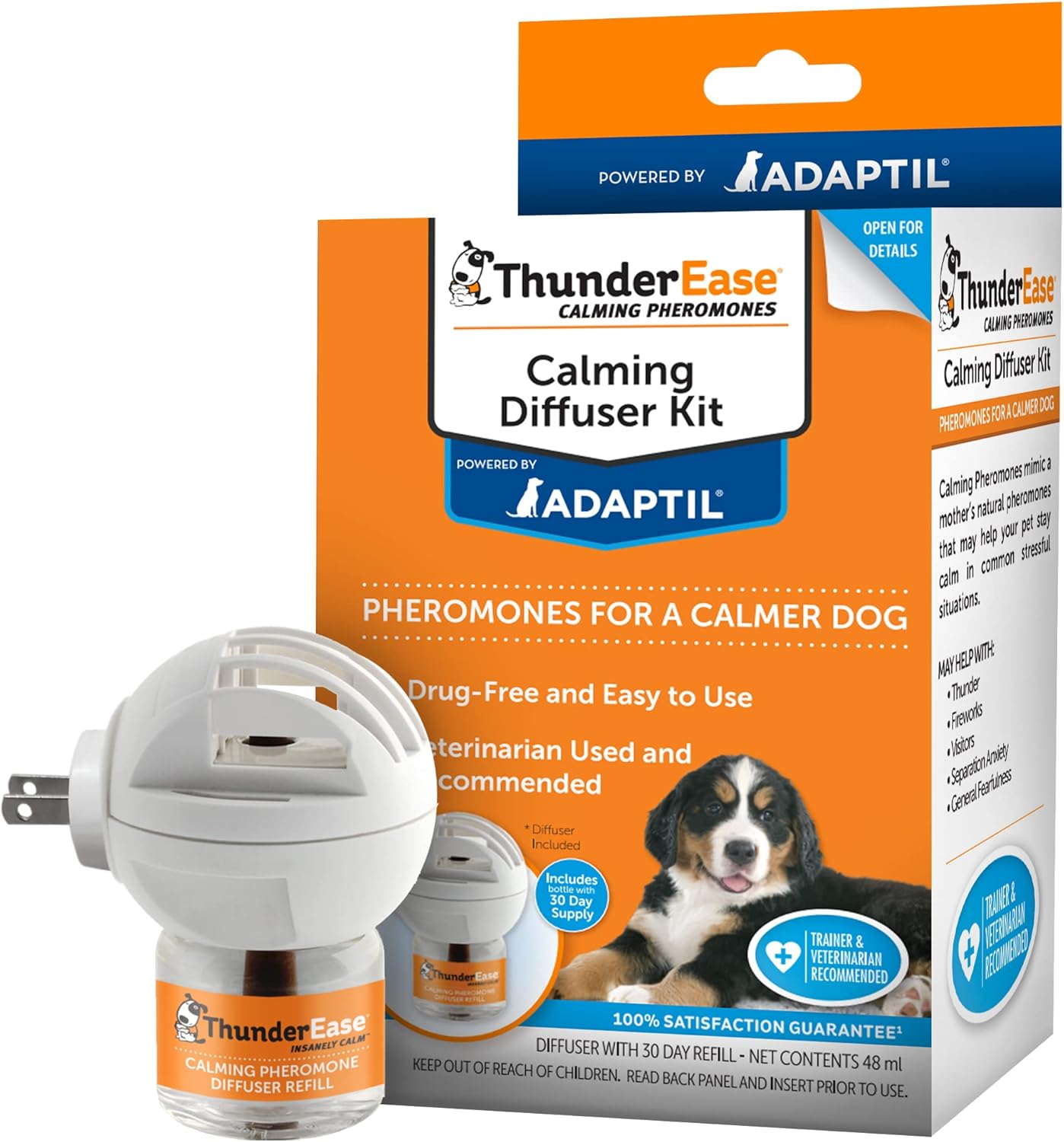


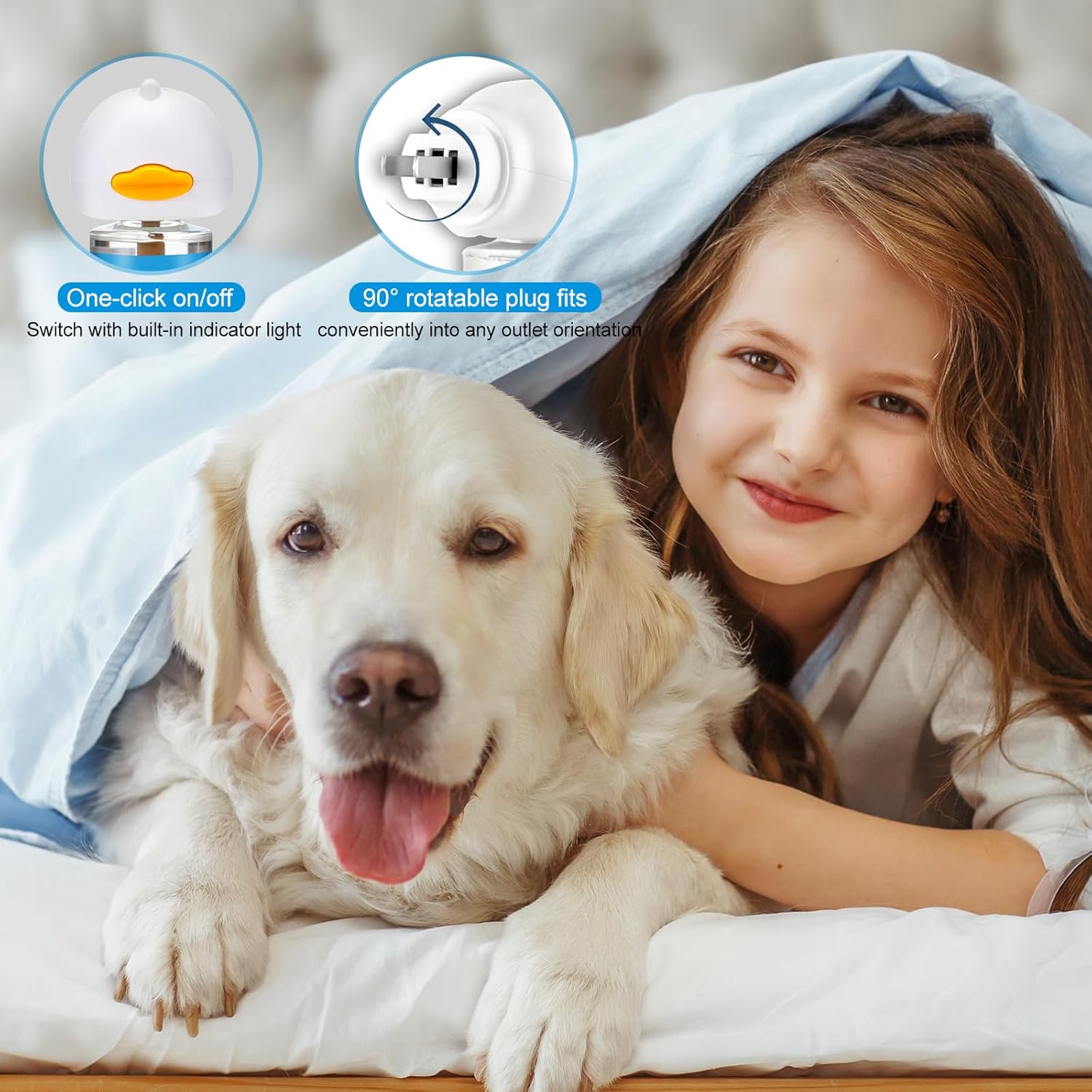

Products for Social Anxiety
Zesty Paws Calming Bites for Dogs
Natural calming chews with ingredients like chamomile, L-tryptophan, and melatonin.
PetSafe Happy Ride Booster Seat
Creates a secure, elevated space for anxious pets during car rides or social situations.
Feliway Classic Calming Diffuser for Cats
Pheromone diffuser that helps reduce stress and anxiety in multi-cat households or social situations.