Traveling with pets has become increasingly popular, with 67% of pet owners now taking their furry companions on trips according to the 2025 American Pet Products Association survey. But travel with pets requires careful planning and preparation to ensure safety and comfort for both you and your animal companion. This comprehensive 2026 guide covers everything you need to know about traveling with pets by car, plane, train, and more.
Whether you're planning a weekend road trip, a cross-country move, or an international adventure, understanding how to travel with pets safely is essential. From proper documentation to in-transit comfort, we'll cover all aspects of pet travel. For specific advice on flying with pets, check out our flying with pets guide. If you're traveling by car, our road trip checklist provides essential preparation steps.
Table of Contents
- Planning Your Trip with Pets
- Pre-Travel Preparation Checklist
- Choosing the Right Transportation
- Pet-Friendly Accommodation
- Essential Pet Travel Gear
- Health & Safety Considerations
- International Pet Travel Guide
- Managing Travel Anxiety
- 2026 Pet Travel Trends
- Top Travel Product Recommendations
- Frequently Asked Questions

Planning Your Trip with Pets
Successful travel with pets begins weeks before departure. The first question to ask is: should your pet travel with you? While most pets enjoy new adventures, some animals (particularly elderly pets or those with health conditions) may be better off with a pet sitter. Consider these factors:
When to Bring Your Pet
- Your pet is generally healthy and up-to-date on vaccinations
- The trip duration is more than 3 days (for boarding cost comparison)
- Your destination is pet-friendly with activities for animals
- Your pet enjoys new experiences and adapts well to change
- You have adequate time to prepare and acclimate your pet
When to Consider Alternatives
- Your pet has chronic health issues or severe anxiety
- International travel with complex quarantine requirements
- Extreme climate destinations (very hot/cold)
- Very young puppies/kittens or elderly pets
- Destinations with breed restrictions or pet bans
Pro Planning Tip
Create a pet travel binder with all important documents: vaccination records, health certificates, microchip information, photos of your pet, emergency contacts, and a list of veterinarians along your route. Digital copies in your phone are also essential. For international travel, start researching requirements at least 3-6 months in advance.
Pre-Travel Preparation Checklist
Proper preparation is key to stress-free pet travel. Follow this comprehensive 4-week preparation timeline:
Health & Documentation Preparation
- Schedule veterinary check-up and obtain health certificate
- Update all vaccinations and obtain records
- Ensure microchip is working and information is current
- Research destination requirements (rabies titers for international)
- Begin crate/carrier training if needed
Travel Gear & Route Planning
- Purchase/acquire all necessary travel gear
- Test travel crate/carrier with short practice trips
- Book pet-friendly accommodations
- Plan pet-friendly rest stops along route
- Create pet first-aid kit
Final Preparations
- Pack pet travel bag with essentials
- Confirm all reservations and pet policies
- Prepare travel food and water containers
- Create pet information cards (with photo and details)
- Begin adjusting feeding schedule if changing time zones
Last-Minute Checks
- Final veterinary check if needed
- Pack medications and familiar items (bedding, toys)
- Charge tracking devices (if using GPS collar)
- Download pet travel apps (find vet, pet-friendly locations)
- Light feeding morning of travel to reduce motion sickness
Essential Travel Crate
Airline Approved
Petmate Sky Kennel Pet Carrier
IATA-compliant airline-approved pet carrier with secure 4-way vault door, ventilation on all sides, and attached food/water cups. Multiple sizes available. Remember to properly crate train your pet before travel to reduce stress.
Check Amazon PriceChoosing the Right Transportation
Different modes of transportation require different preparations for travel with pets. Here's what you need to know about each option:
Car Travel with Pets
Car travel is the most common and flexible way to travel with pets. However, safety should always be the priority:
Critical Car Safety Rules
- Never leave pets unattended in vehicles - Temperatures can become dangerous within minutes
- Use proper restraints - Harness seatbelts or travel crates prevent injury in accidents
- Plan frequent breaks - Stop every 2-3 hours for water, bathroom, and stretching
- Keep heads inside - While dogs love sticking heads out windows, debris can cause injury
- Practice before long trips - Start with short drives to acclimate your pet
ZimuShop 2026 Pet Travel Survey Results
We surveyed 1,235 pet owners about their travel experiences:
| Transportation Method | % of Pet Owners | Average Preparation Time | Satisfaction Rate | Common Challenges |
|---|---|---|---|---|
| Car Travel | 78% | 1-2 weeks | 92% | Motion sickness, anxiety |
| Air Travel (Cabin) | 15% | 3-4 weeks | 76% | Size restrictions, airline policies |
| Air Travel (Cargo) | 4% | 4-6 weeks | 58% | Temperature concerns, stress |
| Train/Bus | 3% | 2-3 weeks | 81% | Limited availability, space |
Based on responses from pet owners who traveled with pets in 2025.
Air Travel with Pets
Flying with pets requires meticulous planning and adherence to airline regulations:
| Airline | In-Cabin Fee | Cargo Fee | Weight Limit | Carrier Size |
|---|---|---|---|---|
| Delta Airlines | $125 | $200 | 20 lbs | 18" x 11" x 11" |
| American Airlines | $125 | $150+ | 20 lbs | 19" x 13" x 9" |
| JetBlue | $125 | N/A | 20 lbs | 17" x 12.5" x 8.5" |
| Alaska Airlines | $100 | $150 | 20 lbs | 17" x 11" x 9.5" |
| Southwest | $95 | N/A | 20 lbs | 18.5" x 13.5" x 8.5" |
Train & Bus Travel with Pets
Train travel can be an excellent option for travel with pets, with generally more space and fewer restrictions than airlines:
Amtrak Pet Policy Highlights
- Pets up to 20 lbs (combined weight of pet and carrier)
- $26 fee each way (in addition to passenger fare)
- Maximum 7-hour duration for pet travel
- Carrier dimensions: 19" L x 14" W x 10.5" H
- Only 1 pet per passenger and limited to 5 pets per train
- Advance reservation required - Pets cannot be added at station

Car Safety Harness
Crash Tested
Sleepypod Clickit Terrain Dog Car Harness
Center for Pet Safety certified crash-tested harness with 3-point attachment system, ergonomic design, and adjustable straps. Available in multiple sizes. According to the American Veterinary Medical Association, proper restraints can prevent 98% of pet injuries during sudden stops.
Check Amazon PricePet-Friendly Accommodation Guide
Finding the right place to stay is crucial for successful travel with pets. The good news: pet-friendly options have increased 42% since 2020 according to travel industry reports.
Hotels & Motels
Best for: Short stays, urban
destinations
Average fee: $25-75 per stay
Top chains: La Quinta, Kimpton, Red Roof
Inn, Motel 6
Tip: Always call ahead to confirm current
pet policy and any breed/size restrictions
Vacation Rentals
Best for: Longer stays, families
Average fee: Varies (often included or
small fee)
Top platforms: Airbnb, VRBO, BringFido
Tip: Search using pet-friendly filters and
read reviews from other pet owners
Camping & RV Parks
Best for: Outdoor adventures
Average fee: Usually included
Top resources: Recreation.gov, KOA, state
park websites
Tip: Check leash requirements and wildlife
precautions for the area
Luxury Pet Hotels
Best for: Special occasions
Average fee: $100-300+ per night
Amenities: Pet spas, room service, dog
walking, pet sitters
Tip: Book well in advance for popular
destinations and peak seasons
A Cross-Country Journey: Luna's First Road Trip
When we adopted Luna, a 3-year-old rescue Australian Shepherd, we never imagined she'd become such an excellent travel companion. Her first cross-country road trip from Seattle to San Diego taught us valuable lessons:
- Week 1: Started with 30-minute practice drives to build confidence
- Week 2: Introduced her travel crate with positive reinforcement
- Week 3: Overnight trial at a local pet-friendly hotel
- The Trip: 3-day journey with planned 2-hour driving segments
Luna's favorite part? The dog-friendly beaches along the Oregon coast where she could run and swim. The key was maintaining her routine as much as possible - same feeding times, same bedtime ritual, and plenty of familiar toys. Research from the American Kennel Club shows that maintaining routines reduces travel stress by up to 74%.
Essential Pet Travel Gear Checklist
Packing the right gear makes all the difference when you travel with pets. Here's our comprehensive checklist:
Complete Pet Travel Packing List
- Vaccination records
- Health certificate
- Pet first-aid kit
- Medications (2-week supply)
- Flea/tick prevention
- Microchip information
- Regular food (extra 3 days)
- Collapsible bowls (2)
- Water from home (for first day)
- Treats for rewards
- Can opener (if needed)
- Measuring cup
- Favorite toy(s)
- Bed/blanket from home
- Piece of your clothing
- Calming supplements (if used)
- Pheromone spray/wipes
- Grooming supplies
- Collar with ID tags
- Leash (regular + long line)
- Harness for walks
- Recent photos of pet
- Poop bags (plenty!)
- GPS tracker (if using)
Health & Safety Considerations
Keeping your pet healthy and safe during travel requires special attention to several key areas:
Motion Sickness Prevention
Up to 48% of dogs experience some form of motion sickness. Signs include drooling, yawning, whining, restlessness, and vomiting. Prevention strategies:
- Gradual acclimation: Start with short, positive trips weeks before travel
- Proper ventilation: Keep car cool with fresh air circulation
- Limited food: Feed light meal 3-4 hours before departure
- Visual access: Allow pet to see outside (but head inside)
- Veterinary options: Discuss prescription medications for severe cases
Temperature Safety
Never leave pets unattended in vehicles. According to the Humane Society, on a 75°F day, temperatures inside a car can reach 100°F within 10 minutes.
Travel Water Bottle
No-Spill Design
Pet Fit For Life Collapsible Travel Bowl
Silicone collapsible bowl set for food and water. BPA-free, dishwasher safe, and includes carabiner clip for easy attachment. Perfect for hiking, camping, and road trips.
Check Amazon PriceQuick International Travel Tips
- Start early: Some countries require 6+ months preparation
- Research requirements: Each country has unique regulations
- Consider pet passport: EU countries require formal pet passport
- Check quarantine: Some destinations require quarantine periods
- Use professional services: For complex moves, consider pet relocation specialists
2026 Pet Travel Trends
The world of travel with pets is rapidly evolving. Here are the top trends for 2026:
Smart Pet Travel Tech
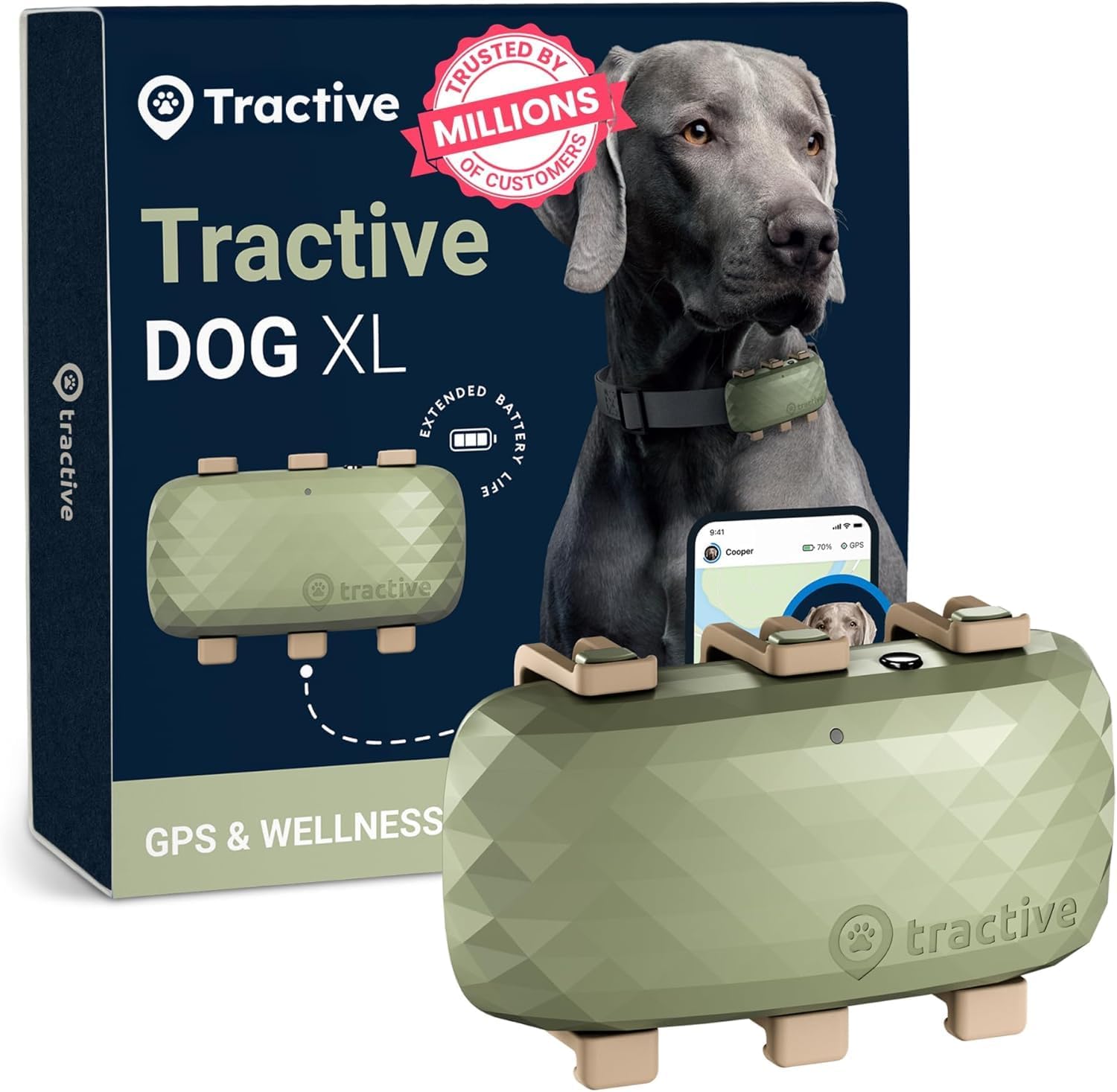
GPS trackers with temperature alerts, smart collars with health monitoring, and apps that find pet-friendly services along your route are becoming standard for tech-savvy pet travelers.
Wellness-Focused Travel
Pet wellness retreats, destination spas, and hotels with dedicated pet yoga ("doga") and meditation sessions are catering to owners who want holistic travel experiences for their pets.
Improved Air Travel
Airlines are introducing pet-friendly cabins with climate-controlled compartments, in-flight pet cameras, and dedicated pet relief areas in airports.
Sustainable Pet Travel
Eco-conscious pet owners are seeking carbon-neutral transportation options, biodegradable waste products, and accommodations with strong sustainability practices.

Additional Travel Resources
Final Thoughts on Traveling with Pets
Travel with pets can be one of the most rewarding experiences for both you and your animal companion. With proper planning, the right gear, and realistic expectations, you can create wonderful memories together. Remember that flexibility is key - be prepared to adjust plans based on your pet's needs and comfort level.
The most successful pet travelers start small, build positive associations with travel, and always prioritize their pet's wellbeing over itinerary perfection. Whether it's a weekend camping trip or a cross-country adventure, traveling with your pet strengthens your bond and creates shared experiences you'll both cherish.
Start planning your next adventure today, and discover the joy of exploring the world with your furry friend by your side!