Loud noises from thunderstorms and fireworks can cause severe anxiety in many pets, leading to destructive behavior, escape attempts, and even health issues. According to the American Veterinary Medical Association, more pets go missing around July 4th than any other time of year due to firework anxiety.
This comprehensive guide will help you understand why pets fear loud noises, recognize anxiety symptoms, and implement effective strategies to help your furry friend stay calm during stressful events. For additional behavior resources, check out our guide to dog communication to better understand your pet's stress signals.
Table of Contents

Understanding Noise Anxiety in Pets
Noise anxiety, also known as noise phobia, is an exaggerated fear response to specific sounds. In pets, this often manifests as fear of thunderstorms, fireworks, gunshots, or other loud noises. The American Kennel Club explains that dogs may fear thunderstorms not only because of the noise but also due to changes in barometric pressure, static electricity, and even the smell of ozone.
Why Pets Develop Noise Anxiety
Several factors contribute to noise anxiety in pets:
Genetic Predisposition
Some breeds are more prone to anxiety than others. Herding breeds and sporting dogs often have higher sensitivity to environmental changes and noises.
Lack of Early Exposure
Puppies and kittens not exposed to various sounds during their critical socialization period (3-14 weeks) may develop fears later in life.
Traumatic Experience
A single frightening experience with loud noises can create a lasting phobia that worsens with each exposure.
Owner Reinforcement
Unintentionally reinforcing fearful behavior by comforting a pet in ways that reward their anxious state can strengthen the fear response over time.
Pro Tip
Remember that cats can suffer from noise anxiety too, though they may show it differently than dogs. Cats often hide, stop eating, or become aggressive when frightened by loud noises. Understanding these differences is crucial for effective management. For more cat-specific advice, check our cat calming products.
Recognizing Anxiety Symptoms
Anxiety symptoms can vary from subtle to severe. Early recognition allows for quicker intervention and better management. According to research published in the Journal of Veterinary Behavior, up to 50% of dogs show some signs of noise anxiety.

Common Anxiety Symptoms in Dogs
- Pacing and restlessness: Inability to settle down
- Panting and drooling: Excessive panting when not hot
- Trembling or shaking: Whole-body shaking
- Hiding or seeking shelter: Trying to get into small spaces
- Destructive behavior: Chewing, digging, scratching doors
- Vocalization: Whining, barking, howling
- Escape attempts: Trying to run away from the noise source
- Loss of bladder/bowel control: Accidents in house-trained pets
Common Anxiety Symptoms in Cats
- Hiding: Seeking enclosed, dark spaces
- Freezing in place: Remaining motionless for extended periods
- Dilated pupils: Eyes wide open with large pupils
- Reduced appetite: Refusing food or water
- Excessive grooming: Over-grooming to the point of bald spots
- Aggression: Hissing, swatting, or biting when approached
Important
Severe anxiety can lead to self-injury, such as breaking teeth or claws while trying to escape, or running into traffic. If your pet shows extreme panic symptoms, consult your veterinarian immediately. They may recommend prescription anti-anxiety medication for severe cases.
Preparing for Storm/Firework Season
Proactive preparation is key to managing noise anxiety. Don't wait until the first thunderclap or firework explosion to implement calming strategies.
Before the Event
- Exercise early: A tired pet is generally calmer. Provide vigorous exercise earlier in the day before the expected noise event.
- Create a safe space: Set up a designated safe area before anxiety begins. This could be a crate, a small room, or a closet.
- Close windows and curtains: Reduce noise and visual stimuli that might trigger anxiety.
- Provide background noise: Turn on white noise, calming music, or TV to mask outside sounds.
- Update identification: Ensure your pet's microchip information is current and they're wearing a collar with ID tags in case of escape.
- Consider calming supplements: Administer calming products 1-2 hours before the anticipated stressor.
Immediate Calming Strategies
When loud noises are already happening, these strategies can help reduce your pet's anxiety in the moment.
Creating a Safe Space
A safe space should be:
Location
Choose an interior room without windows or with covered windows. Basements or bathrooms often work well because they're naturally quieter.
Comfort Items
Include familiar bedding, toys, and items with your scent. Consider adding an article of your worn clothing for additional comfort.
Sound Masking
Use white noise machines, fans, or calming music specifically designed for pets to mask disturbing sounds.
Pheromone Products
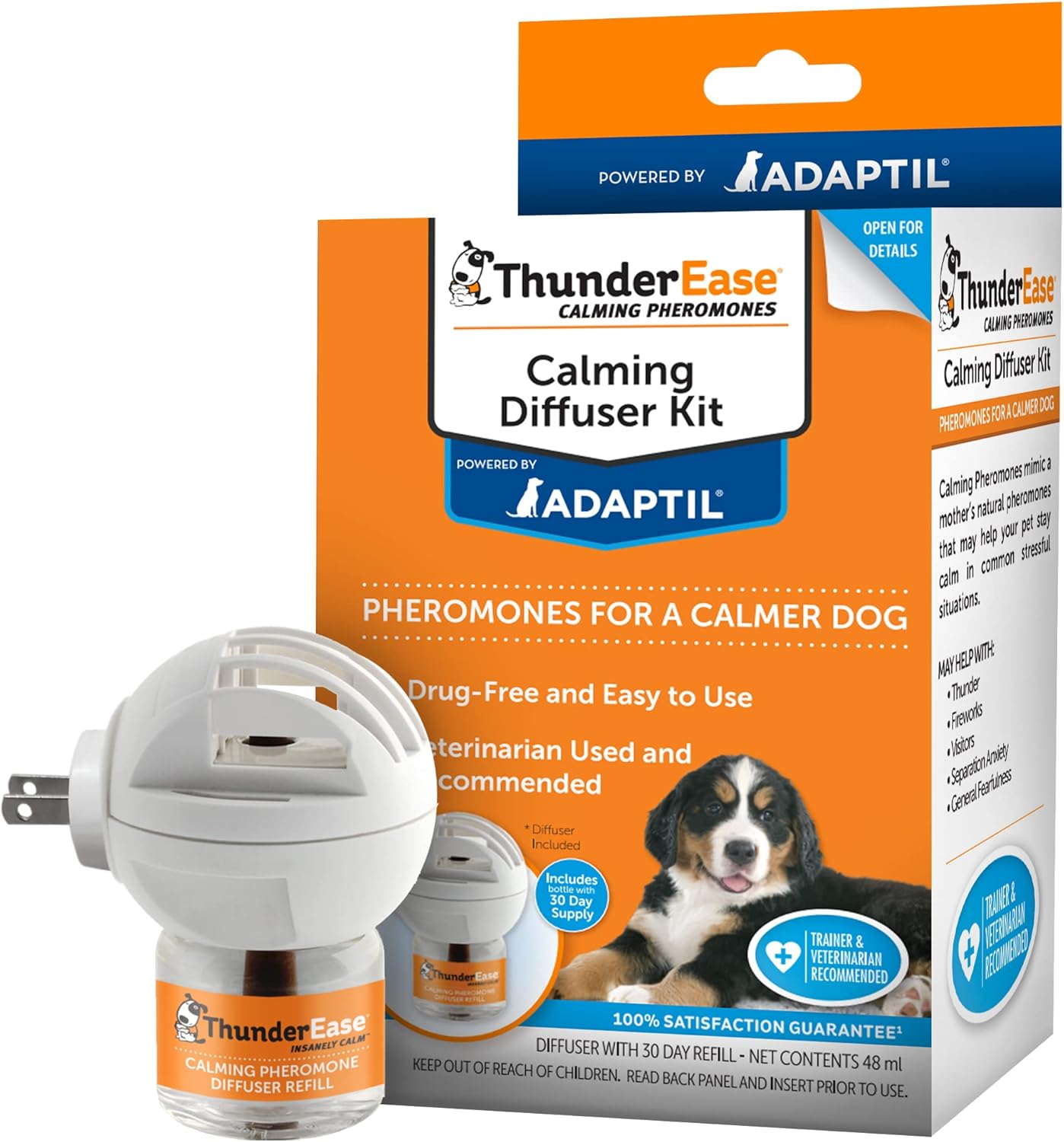
Consider using pheromone diffusers or sprays like Adaptil for dogs or Feliway for cats, which release calming chemical signals.
Distraction Techniques
Redirecting your pet's attention can help reduce their focus on the frightening sounds:
- Interactive toys: Food puzzle toys, Kongs stuffed with treats, or lick mats can provide mental stimulation
- Training games: Simple obedience commands or trick training with high-value treats
- Gentle massage: Slow, rhythmic petting or TTouch techniques
- Calming music: Specially designed pet music or classical music at moderate volume
Comfort and Reassurance
The old advice to ignore an anxious pet is outdated. According to the Fear Free Happy Homes organization, comforting your pet when they're afraid does NOT reinforce the fear. However, the way you comfort matters:
How to Comfort Effectively
Stay calm yourself - pets pick up on our emotional states. Use a calm, reassuring voice rather than high-pitched baby talk. Provide physical comfort through gentle pressure (like a ThunderShirt) or calm petting. Avoid excessive fussing that might communicate your own anxiety.
Long-Term Solutions
For pets with severe or recurring noise anxiety, long-term solutions can help reduce their fear over time.
Desensitization and Counterconditioning
This behavioral modification technique involves gradually exposing your pet to recorded storm or firework sounds at very low volumes while pairing the experience with something positive (like high-value treats or play).
Professional Training
Consider working with a certified professional dog trainer or veterinary behaviorist who specializes in anxiety disorders. They can create a customized behavior modification plan for your pet.

When to Seek Professional Help
Consult your veterinarian or a veterinary behaviorist if:
- Your pet's anxiety is severe or getting worse over time
- Your pet risks injury to themselves or property
- Your pet has escaped or attempted to escape during noise events
- Your pet shows aggression when frightened
- Home management strategies aren't providing sufficient relief
- Your pet's anxiety affects their quality of life or your household's wellbeing
Your veterinarian may recommend prescription anti-anxiety medications that can be used situationally (before known events) or daily for pets with generalized anxiety. These medications are most effective when combined with behavior modification techniques.
Final Thought
Managing noise anxiety is a journey that requires patience and consistency. What works for one pet may not work for another, so be prepared to try multiple strategies. The most important thing is to never punish your pet for being afraid - this will only make their anxiety worse. With time, understanding, and the right combination of strategies, you can help your pet feel safer during loud noise events. For additional resources, explore our calming product selection or read more on our pet behavior blog.