Small animals like rabbits, guinea pigs, hamsters, and chinchillas make wonderful pets, but they have specific needs that differ from cats and dogs. Proper small animal care requires understanding their unique dietary requirements, housing needs, social behaviors, and health considerations. This comprehensive 2026 guide covers everything you need to know to keep your small pets healthy and happy.
From selecting the right habitat to providing proper nutrition and enrichment, we'll walk you through the essential elements of small animal care. Whether you're a first-time hamster owner or considering adopting a pair of guinea pigs, this guide will provide the knowledge you need for success.
Table of Contents

Choosing the Right Small Pet for Your Lifestyle
Different small animals have different care requirements and personalities. Consider these factors when choosing:
Rabbits
Lifespan: 8-12 years
Social Needs: Highly social, prefer pairs
Space Required: Large exercise area daily
Best For: Dedicated owners willing to rabbit-proof home
Guinea Pigs
Lifespan: 5-8 years
Social Needs: Must have guinea pig companion
Space Required: Minimum 7.5 sq ft per pig
Best For: Families, gentle handling enthusiasts
Hamsters
Lifespan: 2-3 years
Social Needs: Solitary (Syrian), some dwarfs can pair
Space Required: 450+ sq inches floor space
Best For: Night observers, limited space
Chinchillas
Lifespan: 10-20 years
Social Needs: Can be kept singly or in pairs
Space Required: Tall multi-level cage
Best For: Experienced owners, low-allergy homes
First-Time Owner Tip
If you're new to small animals, consider starting with a pair of guinea pigs or a Syrian hamster. Guinea pigs are vocal about their needs (making care easier to learn), while Syrian hamsters have straightforward care requirements. Always research species-specific needs before adopting, and consider adopting from shelters or rescues when possible.
Recommended Starter Habitat
Editor's Choice
Midwest Deluxe Critter Nation Cage
Double unit cage with 1/2" wire spacing, perfect for rats, ferrets, chinchillas, and sugar gliders. Includes shelves, ramps, and plastic pans.
Check Amazon PriceHabitat Requirements by Species
Proper housing is essential for small animal health and wellbeing. Here are the minimum requirements for 2026:
| Species | Minimum Cage Size | Temperature Range | Special Requirements | Cleaning Frequency |
|---|---|---|---|---|
| Rabbit | 12 sq ft + exercise area | 60-70°F (15-21°C) | Litter box training possible | Spot clean daily, full weekly |
| Guinea Pig | 7.5 sq ft per pig | 65-75°F (18-24°C) | Solid floor (no wire) | Daily spot, full 2x week |
| Hamster | 450+ sq inches floor | 65-75°F (18-24°C) | 6+ inches bedding for burrowing | Weekly partial, monthly full |
| Chinchilla | 24"x24"x24" minimum | 60-70°F (15-21°C) | Dust bath 2-3x weekly | Weekly full clean |
Essential Habitat Components
Safe Bedding
Recommended: Paper-based, aspen wood, or hemp bedding. Avoid cedar and pine (toxic fumes). Provide 6+ inches for burrowing species.
Feeding Stations
Heavy ceramic bowls prevent tipping. Hay racks keep hay clean. Water bottles with ball bearings or ceramic crocks for water.
Hiding Places
Every habitat needs at least 2 hiding spots. Use wooden houses, tunnels, or igloos. Critical for reducing stress.
Exercise & Enrichment
Species-appropriate wheels (solid surface), tunnels, chews, and climbing structures. Rotate toys weekly.
Common Habitat Mistakes
- Wire-bottom cages: Cause painful foot sores (bumblefoot)
- Inadequate space: Leads to stress, obesity, and aggression
- Poor ventilation: Causes respiratory issues
- Direct sunlight: Can cause fatal overheating
- Toxic materials: Avoid plastic items that can be chewed and ingested
- Loud locations: Small animals are sensitive to noise
Best Bedding for Small Animals
Low Dust
Carefresh Small Animal Bedding
99% dust-free paper bedding with superior odor control. Soft, absorbent, and safe for all small animals. Naturally repels fleas.
Check Amazon PriceDiet & Nutrition Essentials

Rabbit Nutrition
Rabbit Dietary Requirements
Unlimited Hay: 80-90% of diet (timothy, orchard, oat)
Fresh Vegetables: 1 cup per 2 lbs body weight daily
Limited Pellets: 1/4 cup per 5 lbs body weight
Fresh Water: Always available in bowl (preferred over bottle)
Treats: Fruit sparingly (1-2 tbsp weekly)
Critical: Rabbits cannot vomit. Hairball issues are actually gastrointestinal stasis. Prevent with high fiber diet.
Guinea Pig Special Needs
Guinea Pig Vitamin C Requirement
Guinea pigs cannot synthesize vitamin C and will develop scurvy without supplementation:
- Daily Requirement: 10-30 mg per day (more for pregnant/lactating)
- Best Sources: Bell peppers (all colors), kale, parsley, vitamin C tablets
- Supplement: Oxbow Vitamin C tablets or liquid in water
- Avoid: Multivitamins (excess vitamin D is toxic)
Provide vitamin C-fortified pellets, but don't rely on them exclusively as vitamin C degrades over time.
Hamster & Rodent Diets
Commercial Mixes
Choose lab block or seed mixes with 16-20% protein. Syrian hamsters need lower fat (4-5%) than dwarfs (6-8%). Avoid sugary treats.
Fresh Foods
Small amounts of vegetables daily: broccoli, cucumber, carrot. Occasional protein: mealworms, plain cooked chicken, scrambled egg.
Foods to Avoid
Toxic: Onions, garlic, raw potatoes, citrus, almonds
Unhealthy: Sugary treats, yogurt drops, excessive fruits
Dangerous: Human junk food, chocolate, caffeine
Hydration
Fresh water daily in clean bottles. Check sipper tubes for function. Some animals prefer bowls but these get dirty quickly. Change water daily regardless of container.
Premium Small Animal Food
Vet Recommended
Oxbow Essentials Adult Rabbit Food
Uniform pellets prevent selective feeding. High fiber (25%), timothy hay based. Fortified with vitamins and minerals. Made in USA.
Check Amazon PriceHealth & Wellness Monitoring
Small animals hide illness well (a survival instinct). Regular health checks are essential:
Appetite & Activity
Monitor food/water consumption, fecal output, and activity level. Any decrease warrants immediate attention.
Physical Examination
Check eyes (clear), nose (no discharge), teeth (not overgrown), fur (clean, no mats), weight (use kitchen scale).
Habitat & Equipment
Deep clean habitat, check equipment for wear/damage, trim nails if needed, assess dental health.
Veterinary Visit
Wellness exam with exotic vet. Discuss diet, behavior, and preventative care. Establish baseline health records.
Emergency Signs Requiring Immediate Vet Care
- Not eating or drinking for 12+ hours
- Labored breathing or wheezing sounds
- Diarrhea or no fecal production
- Lethargy or inability to move normally
- Visible injury or bleeding
- Head tilt or loss of balance
- Seizures or unconsciousness
Important: Have contact information for an emergency exotic vet available at all times. Not all vets treat small animals.
Enrichment & Social Needs
Mental stimulation prevents boredom and related behavior problems:
Social Requirements
Guinea pigs: MUST have same-sex companion
Rabbits: Highly benefit from bonded partner
Syrian hamsters: Solitary only
Dwarf hamsters: May tolerate same-sex pairs
Chinchillas: Can be kept singly or in pairs
Foraging & Mental Stimulation
Hide food in paper bags, toilet paper tubes, or foraging toys. Use treat balls, snuffle mats, or puzzle feeders. Change setup weekly to prevent boredom.
Exercise & Play
Rabbits: 4+ hours daily supervised free-roam
Guinea pigs: 1+ hour daily floor time
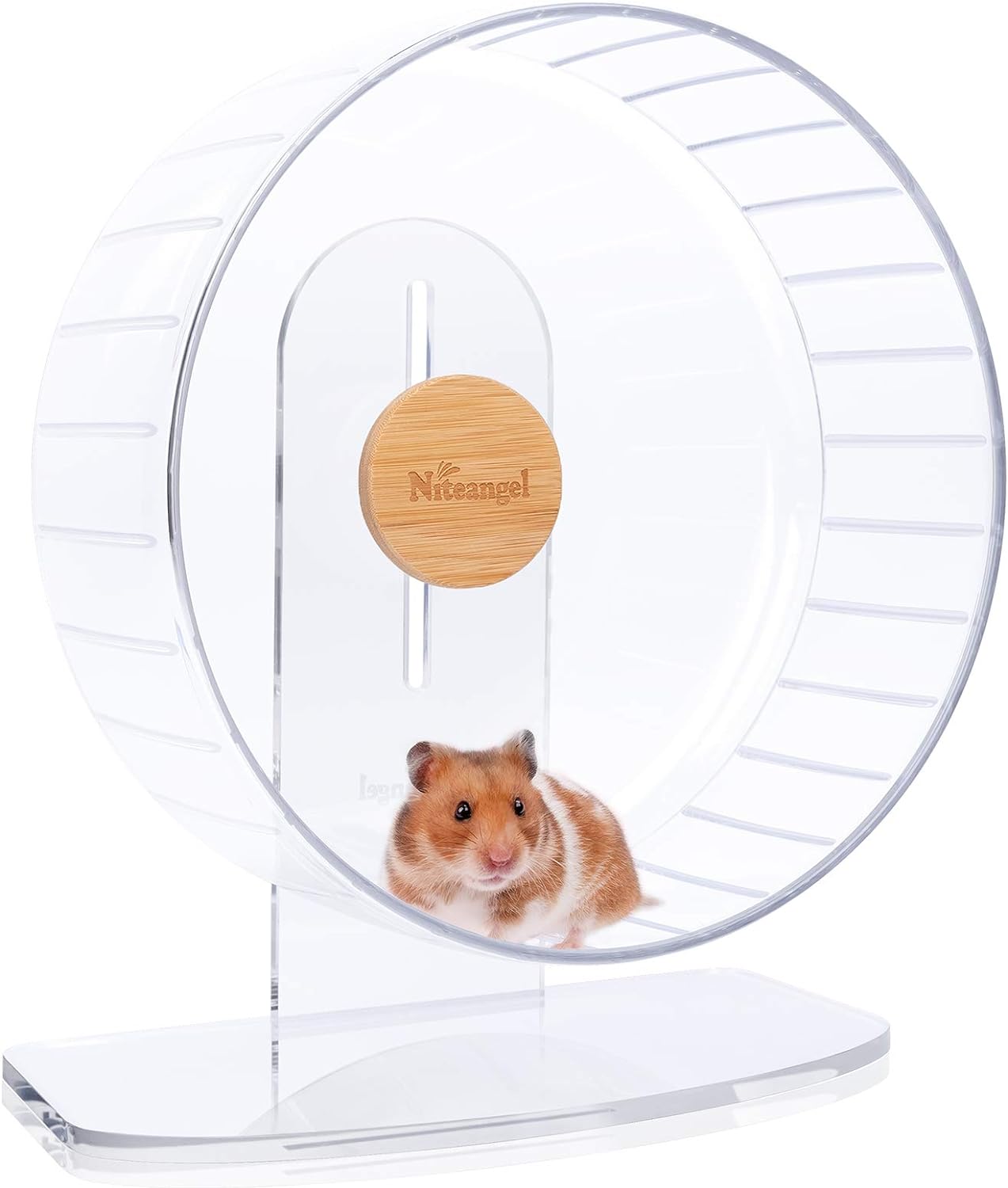
Hamsters: Properly sized wheel (8-12" diameter)
All species: Climbing structures, tunnels, dig boxes
Training & Bonding
Most small animals can learn simple commands using positive reinforcement. Clicker training works well with rabbits and guinea pigs. Daily handling builds trust.
Best Enrichment Toy
Interactive
Living World Teach N Treat Toy
Interactive puzzle toy for small animals. Adjustable difficulty levels. Encourages natural foraging behavior. Suitable for rabbits, guinea pigs, and chinchillas.
Check Amazon PriceEssential Small Animal Products Guide 2026
After testing dozens of products, here are our top recommendations for small animal care in 2026:
1. Midwest Guinea Pig Habitat
Best Habitat
Midwest Guinea Pig Habitat
Best For: 1-2 guinea pigs or similar sized animals
Key Features: 8 sq ft of space, leak-proof canvas bottom, removable top, included hideaway
Pros
- Meets minimum space requirements for guinea pigs
- Easy to assemble and clean
- Durable canvas bottom is chew-resistant
- Removable top for easy access
- Can be connected to create larger habitats
Cons
- Not suitable for rabbits (too small)
- Canvas bottom may retain odors over time
- Some assembly required
Starter Shopping Checklist
| Item | Essential For | Approx. Cost | Priority |
|---|---|---|---|
| Appropriate-sized cage | All species | $80-$300 | ★★★★★ |
| Quality food & hay | All species | $30-$60/month | ★★★★★ |
| Hide houses (2+) | All species | $15-$40 | ★★★★★ |
| Proper exercise wheel | Hamsters, mice | $20-$40 | ★★★★☆ |
| Carrier for vet visits | All species | $25-$50 | ★★★★☆ |

Final Recommendations
Small animals make wonderful pets when their specific needs are met. The key to success is research, preparation, and commitment. Always adopt from shelters or responsible breeders, provide species-appropriate housing, feed a proper diet, and schedule regular veterinary care with an exotic animal specialist. Remember that small pets are not "starter" or "disposable" pets they require just as much dedication as dogs or cats. With proper care, your small animal can live a full, happy life as a cherished family member.