
Crate training a senior dog requires a completely different approach than training a puppy. Older dogs come with established habits, potential health issues, and often, past experiences that shape their response to confinement. This comprehensive 2026 guide will walk you through gentle, compassionate crate training methods specifically designed for senior dogs, taking into account arthritis, anxiety, dementia, and other age-related conditions.
Whether you're introducing crate training for the first time or retraining an older dog who has developed crate anxiety, this guide provides science-backed techniques that prioritize your senior dog's comfort and emotional wellbeing. Remember, the goal is to create a safe sanctuary, not a place of punishment. For dogs with mobility issues, also check our guide on essential mobility aids.
Table of Contents
- Why Crate Train a Senior Dog? Benefits vs. Risks
- Special Considerations for Senior Dogs
- Choosing the Right Crate for a Senior Dog
- Step-by-Step Gentle Crate Training Method
- Special Techniques for Arthritic Dogs
- Crate Training Dogs with Anxiety or Dementia
- Common Mistakes to Avoid with Senior Dogs
- Safe Duration Guidelines by Health Condition
- Top 3 Recommended Crates for Senior Dogs
- When to Consider Crate Alternatives
- Frequently Asked Questions

Why Crate Train a Senior Dog? Benefits vs. Risks
Many owners wonder if crate training is appropriate for senior dogs. When done correctly with compassionate methods, crate training can provide numerous benefits for older dogs:
Benefits of Proper Crate Training
- Safe recovery space after surgery or during illness
- Reduced anxiety during thunderstorms or fireworks
- Prevents nighttime wandering in dogs with dementia
- Controlled environment for house training regression
- Secure transport to veterinary appointments
- Personal sanctuary in multi-pet households
Potential Risks to Monitor
- Joint stiffness from prolonged confinement
- Increased anxiety if introduced improperly
- Pressure sores on bony prominences
- Urinary accidents in dogs with incontinence
- Exacerbation of arthritis from hard surfaces
- Separation anxiety if overused as confinement
The key is balance and adaptation. Crate training should enhance your senior dog's quality of life, not diminish it. According to the American Veterinary Medical Association, proper confinement can actually reduce stress in older dogs by providing predictable, secure environments.
Senior Dog Insight
Senior dogs typically need more frequent bathroom breaks than younger dogs. A general rule: a senior dog's maximum crate time in hours should equal their age in years divided by 4. For example, a 12-year-old dog should not be crated for more than 3 hours at a time. Always consult your veterinarian for personalized recommendations based on your dog's health status.
Recommended Crate for Senior Dogs
Best for Arthritis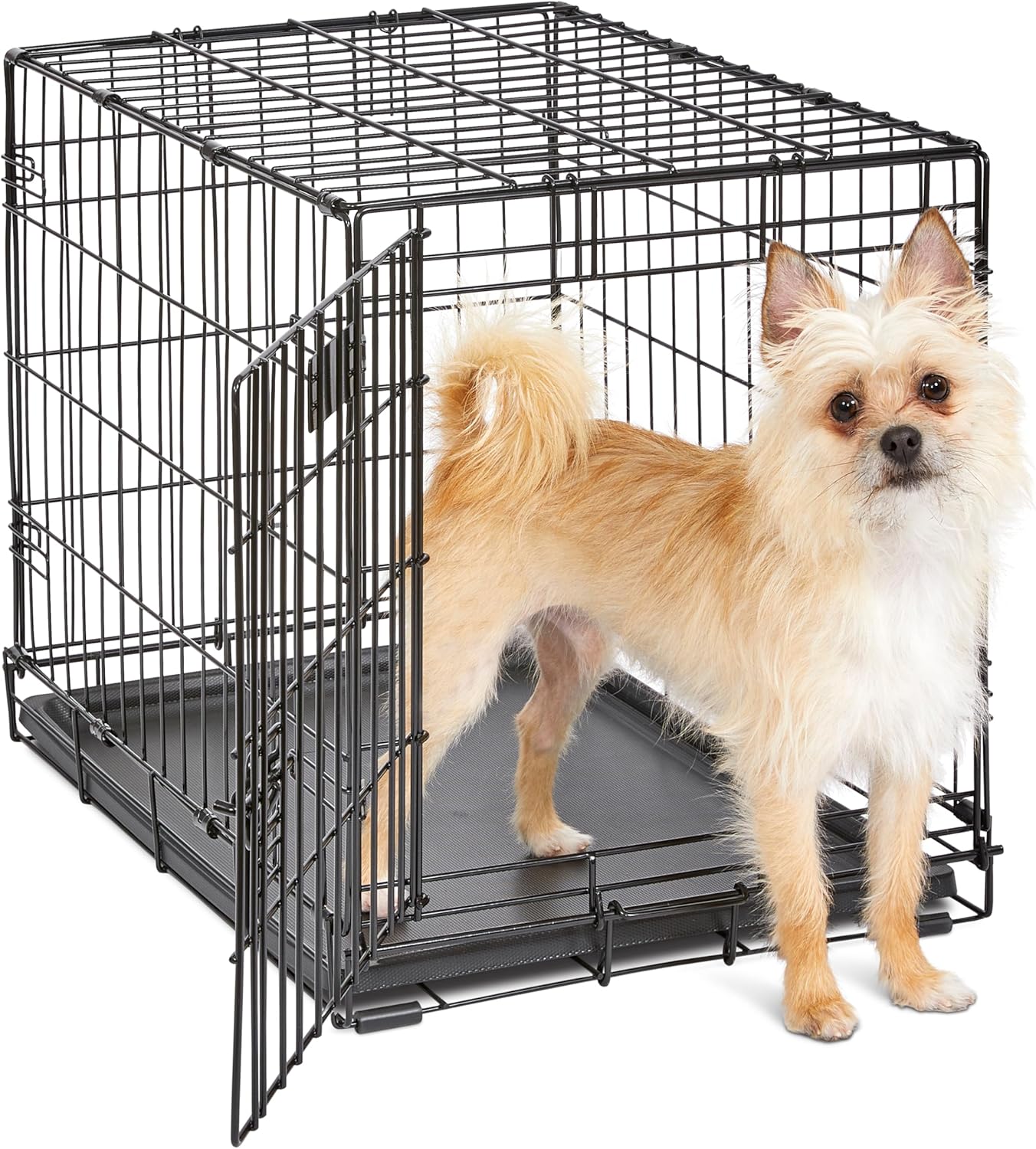
MidWest Homes for Pets Dog Crate
Double-door design for easy senior dog access. Includes divider panel, removable plastic pan, and carrying handle. Features rounded corners for safety and fold-and-carry design for storage.
Check Amazon PriceSpecial Considerations for Senior Dogs
Before beginning crate training, assess these age-related factors that will influence your approach:
Veterinary Consultation
Schedule a veterinary exam to identify any health conditions that might affect crate training: arthritis, incontinence, vision/hearing loss, cognitive dysfunction, or respiratory issues. Your vet can provide specific recommendations for your dog's unique needs.
History Evaluation
Consider your dog's previous experiences with crates or confinement. Negative associations may require more gradual introduction. Dogs with no prior crate experience may adapt more easily than those with past trauma.
Movement Assessment
Observe how your dog rises, lies down, turns around, and navigates spaces. This will determine the minimum crate size needed and whether ramps or modified entries are necessary.
Behavioral Considerations
Note anxiety triggers, comfort items, and calming techniques that work for your dog. Some seniors respond well to familiar smells, while others need white noise or visual barriers. Understanding these preferences will inform your crate training strategy.
ZimuShop 2026 Senior Dog Crate Training Survey
We surveyed 843 senior dog owners about their crate training experiences:
| Factor | Success Rate | Average Adaptation Time | Most Common Challenge | Recommended Solution |
|---|---|---|---|---|
| Arthritic Dogs | 78% | 3-4 weeks | Difficulty lying down/rising | Orthopedic bedding + low entry |
| Anxious Dogs | 65% | 4-6 weeks | Vocalization & pacing | Calming supplements + gradual exposure |
| Dementia Patients | 71% | 2-3 weeks | Confusion & disorientation | Consistent routine + scent markers |
| Incontinent Dogs | 82% | 1-2 weeks | Accidents in crate | Washable pads + frequent breaks |
Data collected from dog owners who completed crate training programs between 2023-2025.
Choosing the Right Crate for a Senior Dog
Selecting the appropriate crate is critical for senior dog comfort and safety:
Wire Crates
Best for: Ventilation, visibility, and
multiple entry points
Considerations: May need padding on floor
and sides for comfort. Ensure spacing between wires is
appropriate for your dog's size to prevent injury.
Soft-Sided Crates
Best for: Travel, lightweight dogs, and
anxiety reduction
Considerations: Not suitable for dogs who
scratch or chew. Provides less structural support but more
den-like feeling that many seniors prefer.
Plastic Kennels
Best for: Transport, security, and dogs who
prefer darkness
Considerations: Can feel restrictive.
Ensure adequate ventilation holes and consider removing the
door for home use to create a more open feel.
Furniture-Style Crates
Best for: Home aesthetics and
multi-functional use
Considerations: Often heavier and more
expensive. Ensure easy access for senior dogs and check that
ventilation is adequate.
Crate Size Guidelines for Senior Dogs
The crate should be large enough for your dog to:
- Stand up without crouching
- Turn around comfortably
- Lie down in natural sleeping position
- Stretch out fully if desired
However, avoid excessively large crates for house training purposes, as dogs naturally avoid soiling their sleeping area. For arthritic dogs, consider a crate that's slightly longer to accommodate stretching without pressure on joints.

Step-by-Step Gentle Crate Training Method
This 4-week progressive method prioritizes your senior dog's comfort and builds positive associations:
4-Week Senior Dog Crate Training Plan
- Place crate in frequently used room with door removed
- Add familiar bedding and worn clothing with your scent
- Feed all meals near crate, gradually moving bowl inside
- Never force entry; let dog explore at own pace
- Use high-value treats to encourage voluntary entry
- Begin closing door for 1-2 minutes during meals
- Practice "crate" command with treats and praise
- Provide special chew toys only in crate
- Gradually increase door-closed time to 5-10 minutes
- Stay nearby initially, then practice brief absences
- Practice crate time during your normal daily activities
- Begin incorporating nap times in crate
- Work up to 30-60 minutes of comfortable crate time
- Vary departure cues to prevent anxiety triggers
- Monitor for signs of distress and adjust accordingly
- Practice leaving house for short periods (5-15 minutes)
- Establish consistent pre-crate routine
- Incorporate crate time into daily schedule
- Evaluate comfort level and make final adjustments
- Celebrate successes with special rewards
Golden Rule of Senior Dog Training
Progress at your dog's pace, not your schedule. Some senior dogs may need 6-8 weeks to feel completely comfortable with crate training. Watch for positive signs: voluntary entry, relaxed body posture in crate, and calm behavior when door is closed. If you see stress signals (panting, drooling, trembling), slow down and return to previous successful step.
Soft-Sided Travel Crate
Travel Safe
AmazonBasics Soft-Sided Pet Travel Carrier
Lightweight, mesh-sided carrier ideal for veterinary visits or short trips. Features top and side entries, removable fleece bed, and adjustable shoulder strap. According to the ASPCA, proper carrier training reduces stress during necessary travel.
Check Amazon PriceSpecial Techniques for Arthritic Dogs
Dogs with arthritis require additional considerations for crate comfort and safety:
Orthopedic Bedding
Invest in a high-quality orthopedic bed with memory foam or egg crate foam at least 4 inches thick. The bed should fully cover the crate floor to prevent pressure points on bony areas. Consider a heated bed for dogs with significant stiffness.
Access Modifications
For dogs with hip dysplasia or severe arthritis, consider removing the crate door entirely or installing a low-entry ramp. Some owners create "crate stations" by removing the top and one side of a wire crate, creating a secure but accessible resting area.
Temperature Regulation
Arthritic joints are sensitive to temperature changes. Position the crate away from drafts and direct heating/cooling vents. In colder months, use a crate cover (leaving adequate ventilation) to retain warmth. Monitor for signs of discomfort related to temperature.
Duration Management
Limit continuous crate time for stiff dogs. A good rule: maximum 2-3 hours at a time followed by gentle movement and stretching. Consider using an ex-pen attached to the crate for times when longer confinement is necessary, allowing some movement without free roaming.
Success Story: Max's Crate Adaptation
Max, a 14-year-old Labrador with severe hip dysplasia and dementia, initially panicked in traditional crates. His owner implemented these adaptations:
- Modified crate: Removed top and door, creating a three-sided enclosure
- Custom bedding: 6-inch orthopedic foam with waterproof cover
- Scent therapy: Lavender-scented pad (vet-approved) for calming
- Gradual exposure: 3-week introduction with meals fed in crate
- Nighttime routine: Crate for sleep with familiar nightlight nearby
After 4 weeks, Max voluntarily rested in his crate for naps and nighttime. His nighttime wandering decreased by 90%, and he showed visible relief having a designated, comfortable resting space. His story demonstrates how adaptation and patience can make crate training successful even for dogs with multiple age-related challenges.
Crate Training Dogs with Anxiety or Dementia
Cognitive changes in senior dogs require specialized approaches:
| Anxiety Type | Signs to Watch For | Adaptation Strategies | When to Seek Professional Help |
|---|---|---|---|
| Separation Anxiety | Destructive behavior, vocalization, pacing, drooling | Gradual desensitization, departure cues, calming supplements, interactive toys | Self-injury attempts, extreme panic, medication may be needed |
| Noise Phobia | Trembling, hiding, seeking comfort, escape attempts | Soundproof crate cover, white noise machine, anxiety wraps, safe haven creation | Severe panic attacks, injury risk from escape attempts |
| Canine Dementia | Disorientation, staring at walls, sleep cycle disruption, confusion | Consistent routine, night light, scent markers, limited space to prevent wandering | Significant sleep deprivation, danger from disorientation, getting "stuck" in corners |
| Past Trauma | Fearful body language, avoidance, submissive urination, freeze response | Ultra-gentle introduction, choice-based training, never force confinement | Complete refusal to enter any confined space after 4+ weeks of positive training |
Critical Safety Warning
Never use the crate as punishment for a senior dog, especially one with anxiety or cognitive issues. This can create permanent negative associations and exacerbate behavioral problems. The crate should always be associated with safety, comfort, and positive experiences. If your dog shows extreme distress in the crate, discontinue use and consult with a veterinary behaviorist.
Safe Duration Guidelines by Health Condition
How long a senior dog can safely remain crated depends on multiple health factors:
4-5 hours maximum
Dogs without significant health issues can typically manage 4-5 hours in a comfortable crate with appropriate bedding, assuming they've had recent exercise and bathroom breaks. Always provide water access for crating over 2 hours.
3-4 hours maximum
Dogs with mild joint stiffness should have crate breaks every 3-4 hours to stretch and move. Consider a larger crate that allows more position changes, or use an ex-pen for longer confinement needs.
2-3 hours maximum
Dogs with significant mobility issues need frequent position changes. Maximum 2-3 hours of continuous crating, followed by assisted stretching and gentle movement. Heated bedding can help maintain joint flexibility.
1-2 hours maximum
Dogs with urinary or fecal incontinence require very frequent breaks. Use washable waterproof bedding and consider a crate with a removable tray for easier cleaning. Never punish accidents - they're a medical issue, not behavioral.
Creating a Senior-Friendly Schedule
- Morning: Potty break, medication if needed, light exercise, breakfast in crate
- Mid-morning: Crate time (1-3 hours depending on health), then potty break
- Afternoon: Interactive play/training, lunch, potty break, afternoon crate rest
- Evening: Gentle walk if able, dinner, evening crate time with calming activities
- Night: Final potty break, overnight in crate or bedroom sleeping area
Consistency helps senior dogs feel secure. Adjust the schedule based on your dog's individual needs and energy patterns.
Furniture-Style Crate
Home Decor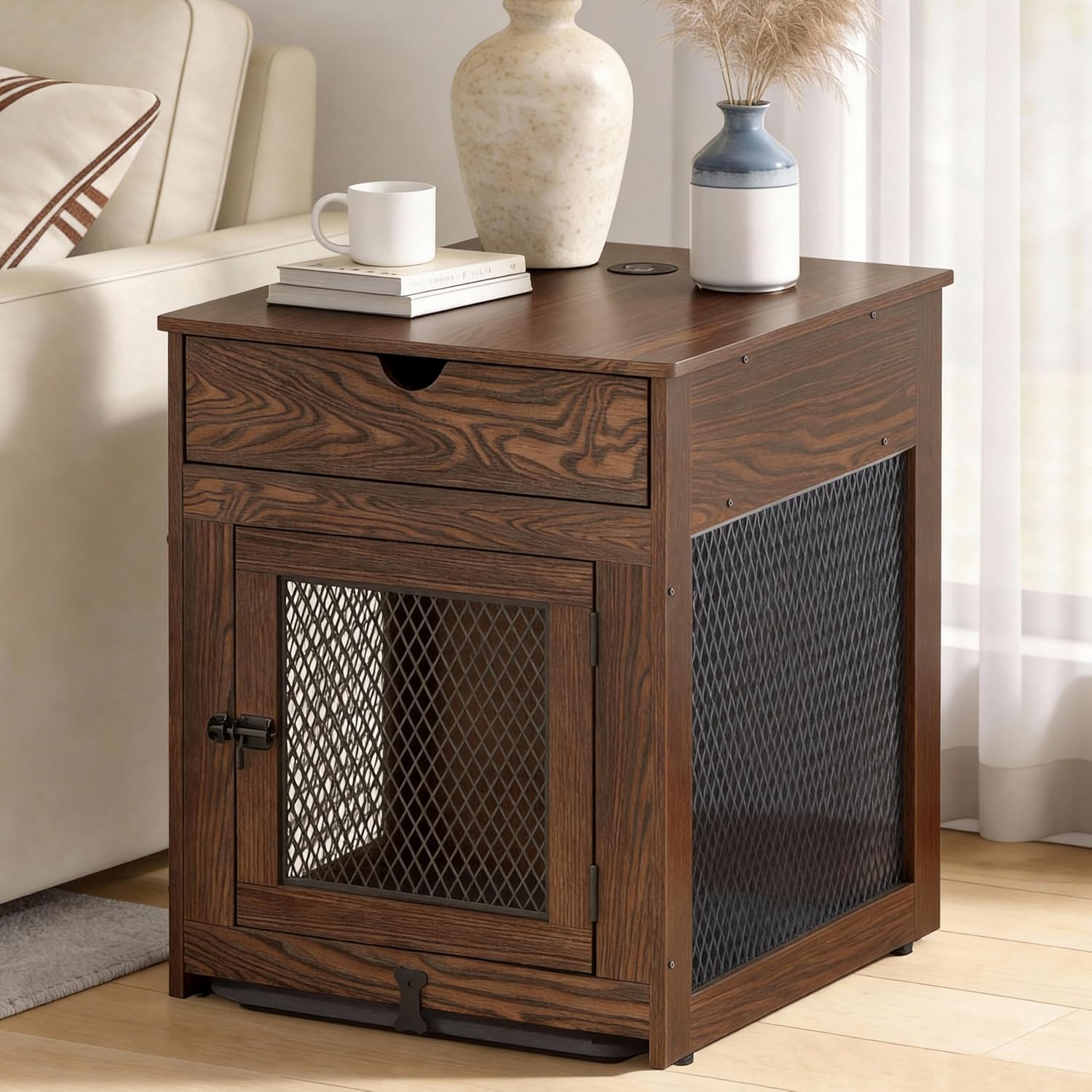
FurHaven Pet Furniture Crate End Table
Dual-function end table and dog crate that blends with home decor. Features removable washable cushion, side entry, and sturdy construction. Ideal for seniors who need a designated resting space that doesn't look clinical. Research from The Humane Society shows that furniture-style crates often reduce stress in environmentally sensitive dogs.
Check Amazon PriceWhen to Consider Crate Alternatives
Crate training isn't appropriate for every senior dog. Consider these alternatives if:
Medical Contraindications
Severe arthritis making entry/exit
painful
Advanced dementia with extreme
disorientation
Claustrophobia diagnosis from veterinary
behaviorist
Respiratory conditions requiring maximum
ventilation
Recent surgery with specific positioning
requirements
Behavioral Considerations
Extreme panic despite gradual training
Self-injurious behavior in confinement
History of crate-related trauma
Aggression when confined that can't be
safely managed
Extreme vocalization disturbing
household/neighbors
Effective Crate Alternatives for Senior Dogs
Exercise Pens
Provides secure confinement with more movement space. Can be configured in various shapes and connected to crate for "crate and pen" combination. Ensure height is appropriate for your dog's size and mobility.
Baby-Gated Rooms
Designate a dog-safe room with baby gates. Choose rooms with easy-clean floors and remove hazards. Often less stressful than crate confinement while still providing safety boundaries.
Designated Dog Beds
Train your dog to stay on a specific bed or mat. Useful for dogs who need boundary training without full confinement. Works best in combination with positive reinforcement training.
Supervision & Management
For some seniors, direct supervision is the best option. Use tethers, leashes in the house, or keep dog in same room as family member. Requires more human time but may be least stressful for dog.
Additional Resources
Final Thoughts on Senior Dog Crate Training
Crate training a senior dog requires patience, adaptation, and compassion. Unlike puppies, older dogs bring a lifetime of experiences, habits, and potential physical limitations to the training process. Success is measured not by how quickly your dog accepts the crate, but by how comfortably and securely they use it as their personal sanctuary.
Remember that every senior dog is unique. What works for one may not work for another. Be prepared to modify techniques, adjust timelines, and sometimes abandon crate training altogether if it causes more stress than benefit. The ultimate goal is enhancing your senior dog's quality of life, and sometimes that means finding alternatives to traditional crate training.
Your senior dog has given you years of companionship and love. Approaching crate training with gentleness and understanding is one way to return that care during their golden years. For more senior dog care resources, explore our complete senior dog care guide.