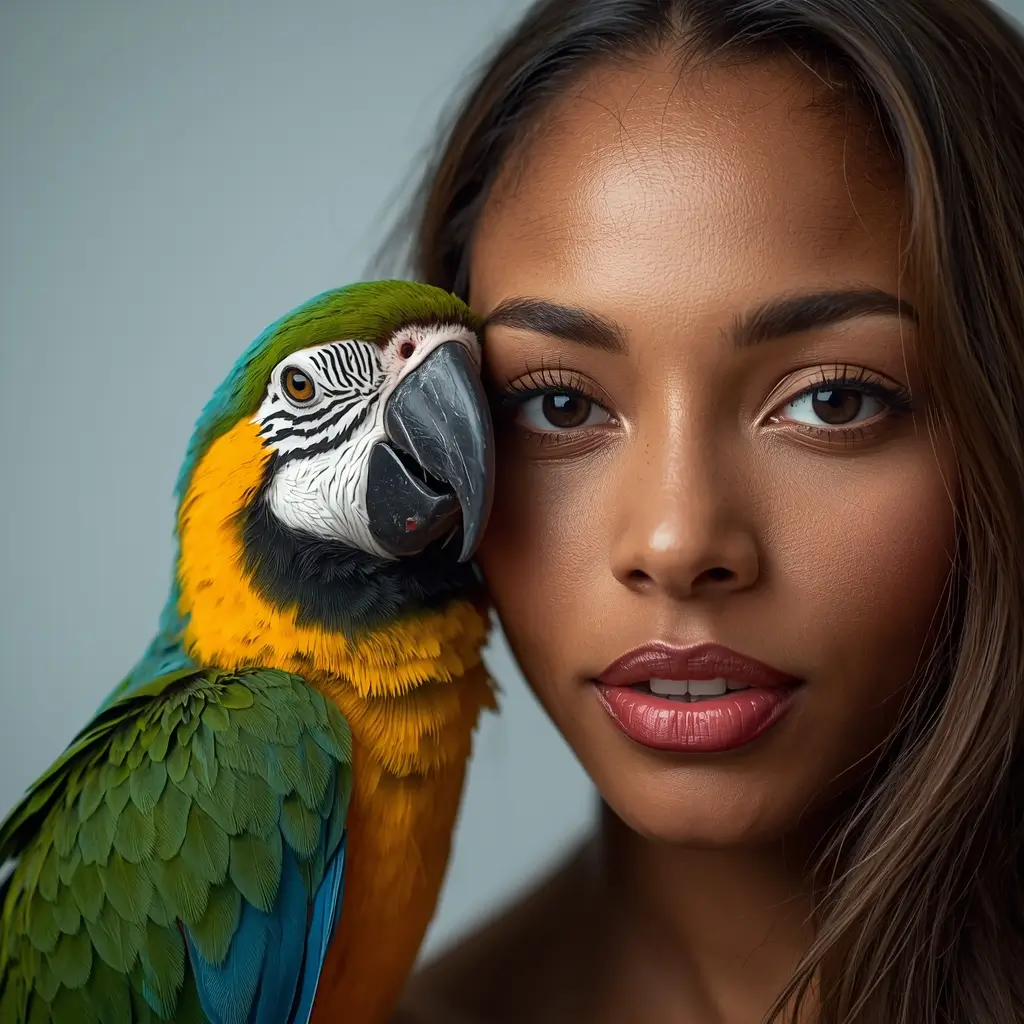
When it comes to keeping our feathered companions safe, protective gear plays a crucial role. Whether you're planning outdoor adventures with your parrot or simply want to ensure their safety during everyday activities, choosing the right equipment is essential for their wellbeing.
This comprehensive guide will help you understand the different types of protective gear available for birds, how to select the right size and fit, and tips for training your bird to accept wearing their new equipment. For more information on bird care, check out our complete guide to bird care.
Table of Contents

Why Protective Gear Matters for Birds
Many bird owners underestimate the importance of protective gear, but it can literally save your bird's life. According to the American Veterinary Medical Association, outdoor hazards pose significant risks to pet birds, making protective gear essential for safe outdoor excursions.
Key Benefits of Protective Gear
Safety
Prevents accidental escapes and protects against predators when outdoors. A properly fitted harness ensures your bird stays secure during outdoor adventures.
Prevents:
- Flying away in unfamiliar areas
- Attacks from predators
- Getting lost
Health
Flight suits can help contain messes and prevent birds from chewing on dangerous household items. They also provide protection during molting seasons.
Benefits:
- Reduces household mess
- Prevents chewing hazards
- Protects sensitive skin
Bonding
Training your bird to wear protective gear builds trust and strengthens your relationship. It also opens up opportunities for shared outdoor experiences.
Strengthens:
- Trust between bird and owner
- Communication skills
- Shared experiences
Enrichment
Safe outdoor access provides mental stimulation through new sights, sounds, and experiences that indoor environments can't replicate.
Provides:
- Mental stimulation
- Natural sunlight exposure
- Environmental enrichment
Pro Tip
Always supervise your bird when they're wearing protective gear, especially during the initial training period. Never leave a bird unattended in a harness or flight suit. For more bird safety tips, check out our complete bird safety guide.
Types of Bird Harnesses
There are several types of harnesses available for birds, each with its own advantages and considerations. The Lafeber Company provides excellent resources on harness training for different bird species.

Aviator Harness
The Aviator Harness is one of the most popular and safest options available. It features a unique design that distributes pressure evenly across the bird's body, preventing injury if the bird tries to fly while tethered.
- Best for: All bird sizes, from small parakeets to large macaws
- Pros: Even pressure distribution, secure fit, durable materials
- Cons: More expensive than other options, requires proper fitting
- Training difficulty: Moderate - requires patience and positive reinforcement
Flight Suit
Flight suits are designed to contain messes while allowing your bird freedom of movement. They feature a built-in diaper system and can be worn with or without a leash attachment.
- Best for: Indoor use and birds that are comfortable with clothing
- Pros: Contains droppings, protects furniture, various designs available
- Cons: Not suitable for outdoor flight, requires frequent changing
- Training difficulty: High - many birds resist wearing clothing initially
Figure-8 Harness
This simple harness design creates a figure-8 pattern around the bird's wings and body. While affordable and easy to put on, it requires careful monitoring to ensure it doesn't become too tight.
- Best for: Budget-conscious owners and smaller bird species
- Pros: Affordable, simple design, easy to put on
- Cons: Potential for uneven pressure distribution, less secure than other options
- Training difficulty: Easy to moderate - simple design is less intimidating
Important
Never use a harness that is too tight or restricts your bird's breathing. Always check for proper fit by ensuring you can comfortably slide two fingers between the harness and your bird's body. If you're unsure about proper fitting, consult our sizing guide or speak with an avian veterinarian.
Proper Fitting and Sizing
Proper fit is crucial for your bird's comfort and safety. An ill-fitting harness can cause injury, stress, or even allow your bird to escape. The PetMD guide to bird harnesses offers detailed fitting instructions for different species.
Measuring Your Bird
Before purchasing a harness, take accurate measurements of your bird:
- Chest circumference: Measure around the widest part of the chest, just behind the wings
- Neck circumference: Measure around the base of the neck
- Weight: Weigh your bird to ensure the harness is appropriate for their size
- Species considerations: Different species have different body shapes that may require specific harness designs
Fitting Checklist
Comfort Check
Your bird should be able to move naturally, breathe comfortably, and exhibit normal behaviors while wearing the harness.
Security Check
The harness should be snug enough that your bird cannot slip out, but not so tight that it causes discomfort or restricts movement.
Material Check
Ensure the materials are bird-safe, durable, and appropriate for your bird's size and strength. Avoid harnesses with small, chewable parts.
Behavior Check
Monitor your bird's behavior while wearing the harness. Signs of stress or discomfort indicate the need for adjustment or a different harness type.
Training Your Bird to Wear Gear
Training your bird to accept protective gear requires patience, positive reinforcement, and a gradual approach. Rushing the process can create negative associations and make future training more difficult.
Step-by-Step Training Process
- Familiarization: Let your bird investigate the harness without wearing it. Leave it near their cage for several days.
- Positive Association: Offer treats whenever your bird shows interest in the harness or allows you to touch them with it.
- Partial Fitting: Practice putting part of the harness on for short periods, gradually increasing duration.
- Full Fitting: Once comfortable with partial fittings, attempt full harness placement for brief periods.
- Leash Attachment: After your bird is comfortable in the harness, attach the leash indoors before venturing outside.
- Outdoor Introduction: Start with quiet, familiar outdoor spaces before progressing to new environments.
Training Tip
Always end training sessions on a positive note, even if you only make minimal progress. Keep sessions short (5-15 minutes) and consistent for best results. For more training advice, check our bird training resources.
Safety Considerations
While protective gear enhances safety, improper use can create new risks. Understanding these potential hazards is essential for keeping your bird safe.
Common Safety Issues
- Entanglement: Birds can become tangled in leashes or harness straps if left unsupervised
- Overheating: Dark-colored harnesses can absorb heat in direct sunlight
- Chewing hazards: Some birds may chew on their harness, creating ingestion risks
- Stress indicators: Watch for signs of stress like feather fluffing, panting, or attempts to remove the harness
Emergency Preparedness
Always have harness removal tools readily available and practice removing the harness quickly in case of emergency. Know how to identify signs of distress and have your avian veterinarian's contact information accessible.

Travel and Outdoor Gear
Beyond harnesses, several other types of protective gear can enhance your bird's safety during travel and outdoor activities.
Travel Carriers
Secure travel carriers are essential for veterinary visits and trips. Look for carriers with:
- Secure locking mechanisms
- Proper ventilation
- Easy cleaning surfaces
- Comfortable perches
- Appropriate size for your bird
Outdoor Enclosures
For supervised outdoor time, consider a secure outdoor aviary or playpen that provides protection from predators while allowing your bird to enjoy fresh air and sunlight.
Final Thought
Investing in proper protective gear is one of the most important steps you can take to ensure your bird's safety and wellbeing. With patience, proper fitting, and positive training methods, you can open up a world of safe outdoor experiences for your feathered companion. Remember that every bird is unique, so take time to find the gear and training approach that works best for your individual pet. For more resources, explore our complete selection of bird safety products or check out our other bird care articles.