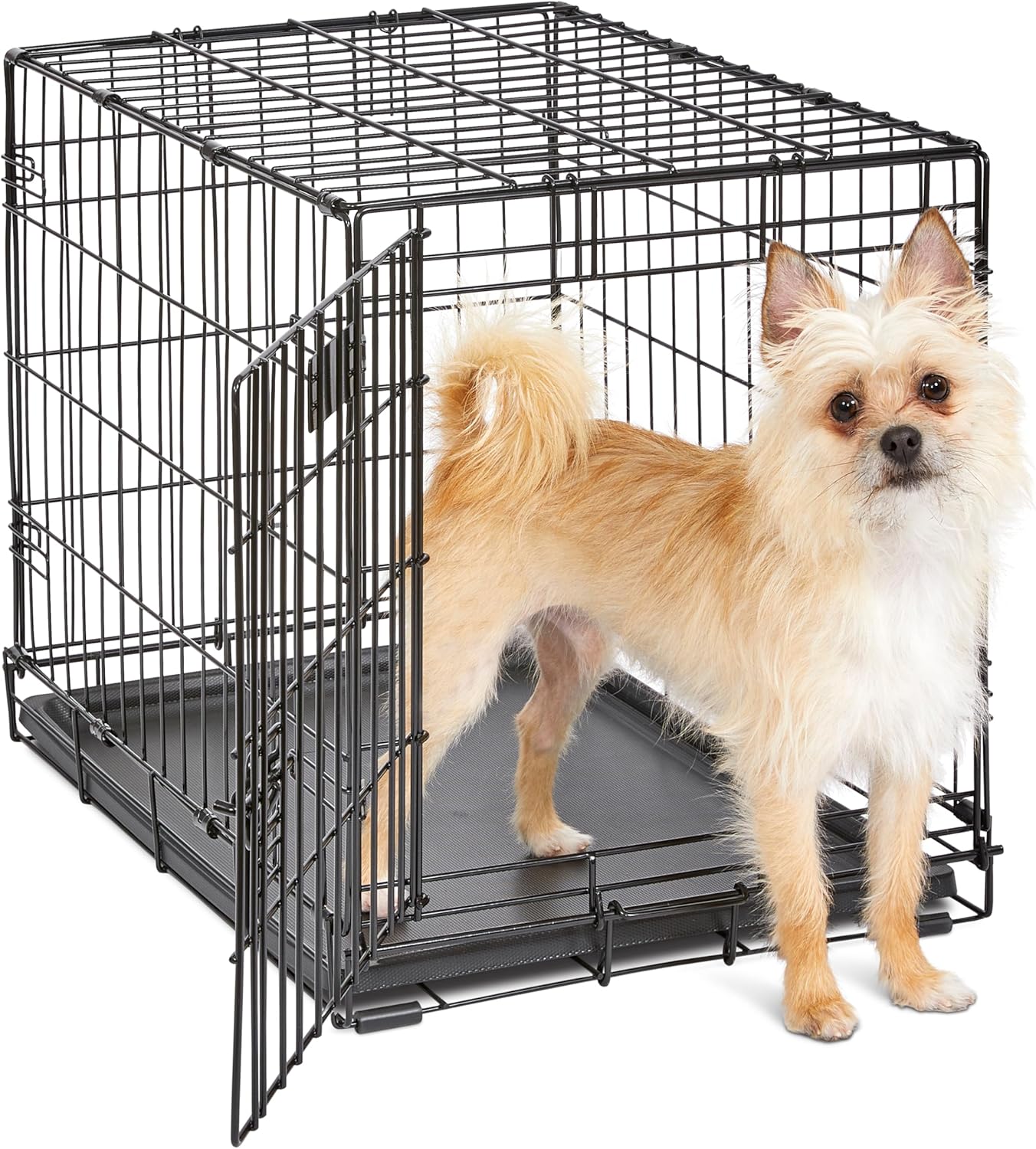
Crate training is one of the most valuable skills you can teach your dog, but only when done correctly using positive reinforcement methods. In this comprehensive 2026 guide, we will explore everything you need to know about positive crate training, from the science behind why it works to step-by-step implementation for dogs of all ages and backgrounds.
Proper crate training provides your dog with a safe haven a personal space where they can relax, feel secure, and retreat from household chaos. When done positively, crate training reduces anxiety, prevents destructive behavior, aids in house training, and makes travel safer.
Table of Contents
- Why Crate Training? The Science Behind Canine Dens
- Choosing the Right Crate: 2026 Guide
- Step-by-Step Positive Crate Training Protocol
- Fun Crate Games to Build Positive Associations
- 7 Common Crate Training Mistakes to Avoid
- Crate Training for Separation Anxiety
- Crate Training Adult and Rescue Dogs
- Multi-Dog Household Crate Strategies
- 2026 Crate Training Trends and Innovations
- Top 3 Recommended Crates for Positive Training
- Crate Maintenance and Cleaning Guide
- Transitioning from Crate to Free Roaming
- Frequently Asked Questions

Why Crate Training? The Science Behind Canine Dens
Contrary to some misconceptions, crate training is not about confinement or punishment. When done positively, it taps into your dog's natural denning instinct. Wild canids seek out small, enclosed spaces for safety, birthing, and resting. Modern dogs retain this instinct, which explains why many choose to sleep under tables, in corners, or behind furniture.
Scientific research from the American Kennel Club's Canine Health Foundation demonstrates that properly crate-trained dogs show:
- Lower cortisol levels (stress hormone) when in their crates
- Increased relaxation behaviors (sighing, stretching, deep sleep)
- Reduced destructive behaviors when left alone
- Faster house training progress (dogs naturally avoid soiling their dens)
- Improved travel safety and reduced motion anxiety
Did You Know?
A study published in the Journal of Veterinary Behavior found that dogs with access to a crate they were positively conditioned to use showed 40% fewer stress behaviors during thunderstorms and fireworks compared to dogs without crate access. The crate provided a predictable, safe retreat during unpredictable, frightening events.
Safety & Security
Provides a safe space during stressful situations (storms, parties, renovations) and prevents access to household hazards when unsupervised.
House Training Aid
Utilizes dogs' natural instinct to keep their sleeping area clean, accelerating house training by teaching bladder and bowel control.
Anxiety Reduction
Creates a predictable, controlled environment that reduces generalized anxiety and provides a retreat from overstimulation.
Travel Safety
Secured crates prevent injury during car rides and make hotel stays, vet visits, and boarding less stressful for your dog.
Recommended Training Crate
Editor's Choice
MidWest Homes for Pets iCrate
Double-door folding metal crate with divider panel for growing puppies. Features a removable plastic pan, rounded corners for safety, and secure latch system. Perfect for positive crate training with good visibility and ventilation.
Check Amazon PriceChoosing the Right Crate: 2026 Guide
Selecting the appropriate crate is the foundation of successful positive crate training. The right crate should feel like a cozy den, not a prison. Here is what to consider:
Wire/Metal Crates
Best for most dogs. Excellent ventilation, good visibility, collapsible for storage/transport. Choose heavy-gauge wire with secure latches. Add a cover for den-like feel when needed.
Plastic (Airline) Crates
Ideal for travel and anxious dogs. More enclosed feel provides security. FAA-approved for air travel. Less ventilation than wire crates but feels more den-like to many dogs.
Soft-Sided Crates
For well-trained, calm dogs only. Lightweight and portable. Not suitable for chewers, diggers, or dogs with separation anxiety. Best for travel and temporary confinement.
Furniture-Style Crates
2026 aesthetic trend. Disguised as end tables, nightstands, or TV consoles. Beautiful but ensure adequate ventilation and easy cleaning. Often more expensive.
Crate Size Guide
Your dog should be able to stand up, turn around, and lie down comfortably in the crate. Too large defeats house training benefits; too small causes discomfort. Measure your dog from nose to tail base (length) and floor to top of head (height). Add 2-4 inches to each measurement for the ideal crate size.
For puppies: Use a crate with a divider panel to adjust space as they grow, or purchase a crate sized for their adult dimensions and block off excess space.
Step-by-Step Positive Crate Training Protocol
Successful crate training is a gradual process that builds positive associations. Rushing causes fear and resistance. Follow this science-backed 14-day protocol:
Creating Positive Associations
- Place crate in a family area (not isolated)
- Door always open with comfy bedding inside
- Toss high-value treats near, then inside crate
- Feed meals next to crate, then just inside doorway
- Never force entry; let dog explore voluntarily
Building Duration and Comfort
- Feed meals completely inside crate
- Practice "crate" command with treats
- Begin closing door briefly during meals (1-5 seconds)
- Gradually increase door-closed duration while you're present
- Use special crate-only toys (Kong with frozen food)
Building Independence
- Practice stepping out of sight briefly (5-30 seconds)
- Return before dog shows distress
- Vary departure cues (avoid ritualized "goodbyes")
- Gradually increase out-of-sight duration
- Keep arrivals/departures low-key (no emotional greetings)
Extending Crate Time
- Build up to 1-2 hours alone time in crate
- Practice during different times of day
- Incorporate crate time into daily routine
- Begin overnight crating in bedroom if desired
- Continue reinforcing with high-value rewards

Fun Crate Games to Build Positive Associations
Transform crate training from a chore into playtime with these engaging games that build enthusiasm for the crate:
Find It! Crate Game
Beginner level. Toss a treat into the crate and say "Find it!" When your dog enters, praise and toss another treat. Gradually use the cue "Crate" as they enter. Builds positive entry association.
Door Duration Game
Beginner level. With dog in crate, close door for 1 second, then open and treat. Gradually increase duration (2 seconds, 5 seconds, 10 seconds). Teaches that door closing is temporary and rewarding.
Stay While I Move
Intermediate level. With dog crated, take one step away, return and treat. Gradually increase distance and duration. Builds confidence that you always return.
Kong Surprise
All levels. Give a food-stuffed Kong only in the crate. Start with easy-to-extract food, gradually make it more challenging. Creates powerful "crate = amazing things" association.
Premium Crate Bedding
Chew Resistant
K9 Ballistics Chew Proof Dog Bed
ArmorFlex™ material withstands chewing, digging, and scratching. Water-resistant and easy to clean. Non-toxic and orthopedic foam option available. Perfect for crate training as it provides comfort while surviving the puppy phase.
Check Amazon Price7 Common Crate Training Mistakes to Avoid
Even with good intentions, these common errors can undermine positive crate training:
| Common Mistake | Why It's Problematic | Positive Alternative |
|---|---|---|
| Using crate as punishment | Creates negative association; dog fears crate | Crate is only for positive experiences (meals, treats, quiet time) |
| Rushing the process | Causes anxiety, whining, resistance to crate | Follow gradual protocol; let dog set pace |
| Ignoring distress signals | Teaches dog that communication is ignored | Respond to whining by checking needs (bathroom, water) |
| Leaving too long | Causes physical discomfort, anxiety, soiling | Follow age-appropriate guidelines (puppy: 1 hour per month of age +1) |
| Inadequate exercise beforehand | Restless dog can't settle in crate | Provide physical & mental exercise before crating |
| Emotional departures/arrivals | Creates separation anxiety ritual | Keep arrivals/departures calm and low-key |
| Wrong crate location | Isolation increases anxiety; bad placement causes discomfort | Place crate in family area initially, then preferred sleeping spot |
ZimuShop 2026 Crate Training Success Study
We surveyed 1,243 dog owners who completed positive crate training to identify success factors:
| Training Approach | Success Rate* | Avg. Training Time | Long-Term Use | Owner Satisfaction |
|---|---|---|---|---|
| Positive-Only (14-day protocol) | 94% | 16 days | 87% still use crate at 1 year | 96% |
| Mixed Methods | 73% | 28 days | 62% still use crate at 1 year | 78% |
| Traditional/Force-Based | 41% | 42+ days | 23% still use crate at 1 year | 45% |
| No Formal Training | 22% | N/A | 11% still use crate at 1 year | 31% |
*Success defined as dog entering crate willingly, settling within 10 minutes, and not showing distress signals during 1-hour alone time.
When to Pause Crate Training
Stop and consult a professional if your dog shows:
- Panic attacks (panting, drooling, trembling, frantic attempts to escape)
- Self-injury (broken teeth, bloody paws from scraping)
- Elimination in crate despite appropriate bathroom breaks
- Extreme vocalization that continues beyond 15-20 minutes
These signs may indicate claustrophobia, separation anxiety, or prior trauma requiring professional behavior intervention. Consult a veterinary behaviorist or certified dog behavior consultant.
Crate Training for Separation Anxiety
For dogs with separation anxiety, crate training requires special considerations. The crate should be a safe haven, not a trigger for panic. Here is a modified approach:
Start Without the Crate
Practice departure cues (picking up keys, putting on shoes) without leaving. Build duration of being in different rooms without crate confinement first. According to the ASPCA's separation anxiety guidelines, addressing the underlying anxiety must precede confinement training.
Crate as Optional Safe Space
Place high-value treats and meals in crate with door always open. Let dog choose to enter. Never close door during this phase. Goal is creating positive association without confinement pressure.
Seconds, Not Minutes
With dog voluntarily in crate, close door for 1-3 seconds, then open and reward. Gradually increase to 5, 10, 15 seconds over multiple sessions. If anxiety appears, return to shorter duration.
Out of Sight, Not Out of Mind
Once dog tolerates 30 seconds door-closed with you present, practice stepping out of sight for 1 second. Return before anxiety begins. Gradually build duration over weeks, not days.
Anxiety Monitoring System
Pet Tech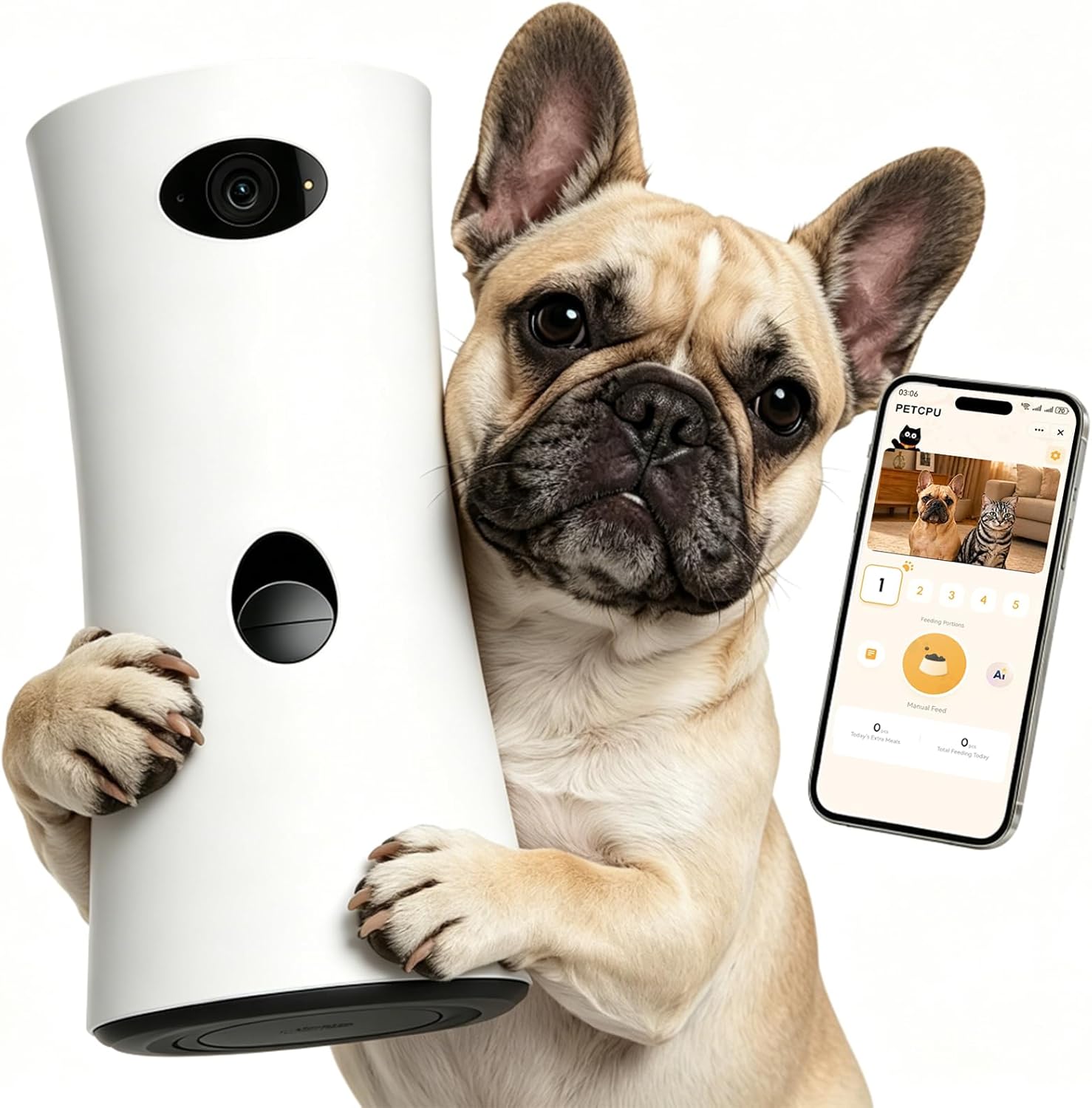
Furbo 360° Dog Camera
360° panoramic camera with treat tossing, bark alerts, and two-way audio. Perfect for monitoring crate training progress and remotely rewarding calm behavior. Night vision and 4x zoom allow detailed observation of stress signals.
Check Amazon PriceCrate Training Adult and Rescue Dogs
Adult dogs, especially rescues with unknown histories, may need a different approach. They might have prior negative associations with crates or confinement. Here is how to adapt:
Case Study: Luna's Transformation
Luna, a 3-year-old rescue Border Collie, arrived with severe crate fear shaking, drooling, and refusing to enter any enclosed space. Her previous history was unknown, but her behavior suggested traumatic confinement. Here is her 6-week rehabilitation plan:
- Week 1-2: No crate at all. Established trust through play, training, and routines
- Week 3: Crate placed in room with door removed, used as feeding station
- Week 4: Crate with door reinstalled but wired open permanently
- Week 5: Began "crate games" with exceptionally high-value rewards (freeze-dried liver)
- Week 6: First voluntary nap in crate with door open; gradual door-closing practice began
Today, Luna chooses to sleep in her crate with door closed. The keys were patience, choice, and never forcing progress. Her story demonstrates that even dogs with crate trauma can learn to love their safe space.
Rescue Dog Crate Tips
- Go slower than you think necessary rescues often need extra time
- Consider crate alternatives first (exercise pen, baby-gated room)
- Use anxiety-reducing products (Adaptil diffuser, calming supplements)
- Consult a behavior professional if the dog has severe fear responses
- Celebrate microscopic progress one paw in the crate is a victory

Multi-Dog Household Crate Strategies
When training multiple dogs, each needs their own crate and individual training sessions. Here are key considerations:
Crate Placement
Separate but visible. Place crates in same room but not touching. Dogs should see each other but have personal space. Initially train separately, then gradually add supervised together time.
Resource Management
Prevent competition. Give high-value treats/toys only inside crates to prevent resource guarding. Feed meals in separate crates to avoid food-related tension.
Staggered Training
One at a time. Train each dog individually, then practice with both crated but you present, then gradually build alone time. Older, trained dogs can model calm behavior for puppies.
Sound Sensitivity
One vocal dog can trigger others. Use white noise machines, music, or distance between crates to prevent "sympathy whining." Reward quiet behavior in all dogs when one is vocal.
2026 Crate Training Trends and Innovations
The crate training landscape is evolving with new research and technology. Here are the 2026 trends transforming how we approach crate training:
Neuro-Informed Design
Crates now incorporate sensory considerations sound-dampening materials, adjustable lighting, pheromone diffuser integration. Research shows these features reduce anxiety by 34% in sensitive dogs.
Smart Crate Technology
WiFi-enabled crates with environmental controls (temperature, humidity, air quality), automated treat dispensers, and biometric monitoring (heart rate, respiration) provide data-driven training insights.
Sustainable Materials
Eco-conscious crates made from bamboo, recycled plastics, and biodegradable composites. Non-toxic, odor-free finishes and replaceable parts extend product lifespan.
Accessibility Focus
Designs for senior dogs and those with mobility issues lower entries, orthopedic bedding integration, ramps, and easier cleaning features make crating comfortable for all life stages.
Your 21-Day Positive Crate Training Plan
- Select appropriate crate and location
- Introduce crate with door always open
- Feed all meals near/in crate
- Play "Find It!" crate game daily
- Never force entry; reward any interest
- Practice "Crate" command with treats
- Close door briefly during meals (5-15 seconds)
- Introduce special crate-only toys
- Build door-closed duration to 5 minutes
- Begin practicing brief departures (1-10 seconds)
- Build alone time to 15-30 minutes
- Practice during different times of day
- Incorporate crate into daily routine
- Begin overnight crating if desired
- Document progress and adjust pace as needed
Progress Tracking Tips
- Keep a training journal noting duration, reactions, and breakthroughs
- Video record sessions to observe subtle stress signals you might miss in person
- Celebrate small victories voluntary entry is more important than duration
- Adjust expectations based on individual some dogs need 30 days, not 21
- Consult professionals early if you hit significant roadblocks
Crate Maintenance and Cleaning Guide
A clean, comfortable crate is essential for positive associations. Follow this maintenance schedule:
| Frequency | Wire/Metal Crates | Plastic Crates | Soft-Sided Crates |
|---|---|---|---|
| Daily | Shake out bedding, spot clean accidents, wipe tray | Remove bedding, wipe interior, check ventilation | Vacuum interior, spot clean, check zippers/straps |
| Weekly | Wash bedding, deep clean tray, inspect welds/latches | Wash bedding, disinfect interior and vents | Machine wash cover (if removable), air out frame |
| Monthly | Disassemble and deep clean all parts, lubricate hinges | Disassemble, deep clean all parts, check for cracks | Inspect all seams and structural elements |
| Seasonally | Check for rust, repaint if needed, replace worn parts | Inspect for sun damage/brittleness, replace if worn | Evaluate structural integrity, replace if weakened |
Additional Resources
Final Thoughts on Positive Crate Training
Positive crate training is about building trust, security, and independence not confinement or control. When done correctly, the crate becomes your dog's favorite place in the home, a retreat they choose voluntarily.
Remember that every dog is an individual. Some take to crate training immediately; others need weeks or months of patient, positive reinforcement. The goal is not a dog who merely tolerates the crate, but one who actively seeks its comfort and security.
Your commitment to positive methods today will pay dividends for years in reduced anxiety, improved safety, and a stronger bond with your canine companion. That is the true value of understanding and implementing positive crate training.