Taking your pet on outdoor adventures can create unforgettable memories, but it also comes with unique safety challenges. Whether you're planning a day hike, weekend camping trip, or cross-country road trip, proper preparation is essential for keeping your furry friend safe and happy. In this comprehensive 2026 guide, we'll cover everything you need to know about pet safety during outdoor adventures, from essential gear to emergency protocols.
Outdoor adventures with pets require more than just enthusiasm they demand careful planning and awareness of potential hazards. According to recent studies, properly prepared pet owners experience 80% fewer emergencies during outdoor activities. This guide will help you join that prepared group. For more pet care basics, visit our AVMA pet care resources.
Table of Contents
- Pre-Adventure Preparation Checklist
- Essential Outdoor Safety Gear for Pets
- Hiking Safety: Trails, Terrain & Wildlife
- Camping Safety with Pets
- Road Trip & Travel Safety Tips
- Weather & Temperature Considerations
- Emergency Preparedness & First Aid
- Top 3 Recommended Safety Products
- Frequently Asked Questions

Pre-Adventure Preparation Checklist
Before heading outdoors with your pet, complete this essential preparation checklist. Proper planning can prevent 85% of common outdoor pet emergencies according to veterinary statistics.
Veterinary Preparation
- Current vaccinations and health check
- Discuss adventure plans with your vet
- Prescription for motion sickness if needed
- Obtain copies of medical records
Identification & Documentation
- Updated ID tags with your phone number
- Microchip registration current
- Recent photo of your pet
- Proof of rabies vaccination
Route & Location Research
- Check pet policies at destinations
- Identify nearest emergency vet clinics
- Research trail difficulty and length
- Check weather forecasts
Packing Essentials
- Sufficient food and water (plus extra)
- Portable food/water bowls
- Leash, harness, and collar
- First aid kit (pet-specific)
Pro Tip: The 24-Hour Test
Test all new gear at home for at least 24 hours before your trip. This includes harnesses, boots, backpacks, and any other equipment. This allows your pet to adjust and helps you identify any fit or comfort issues before you're miles from home.
Essential Safety Gear
Editor's Choice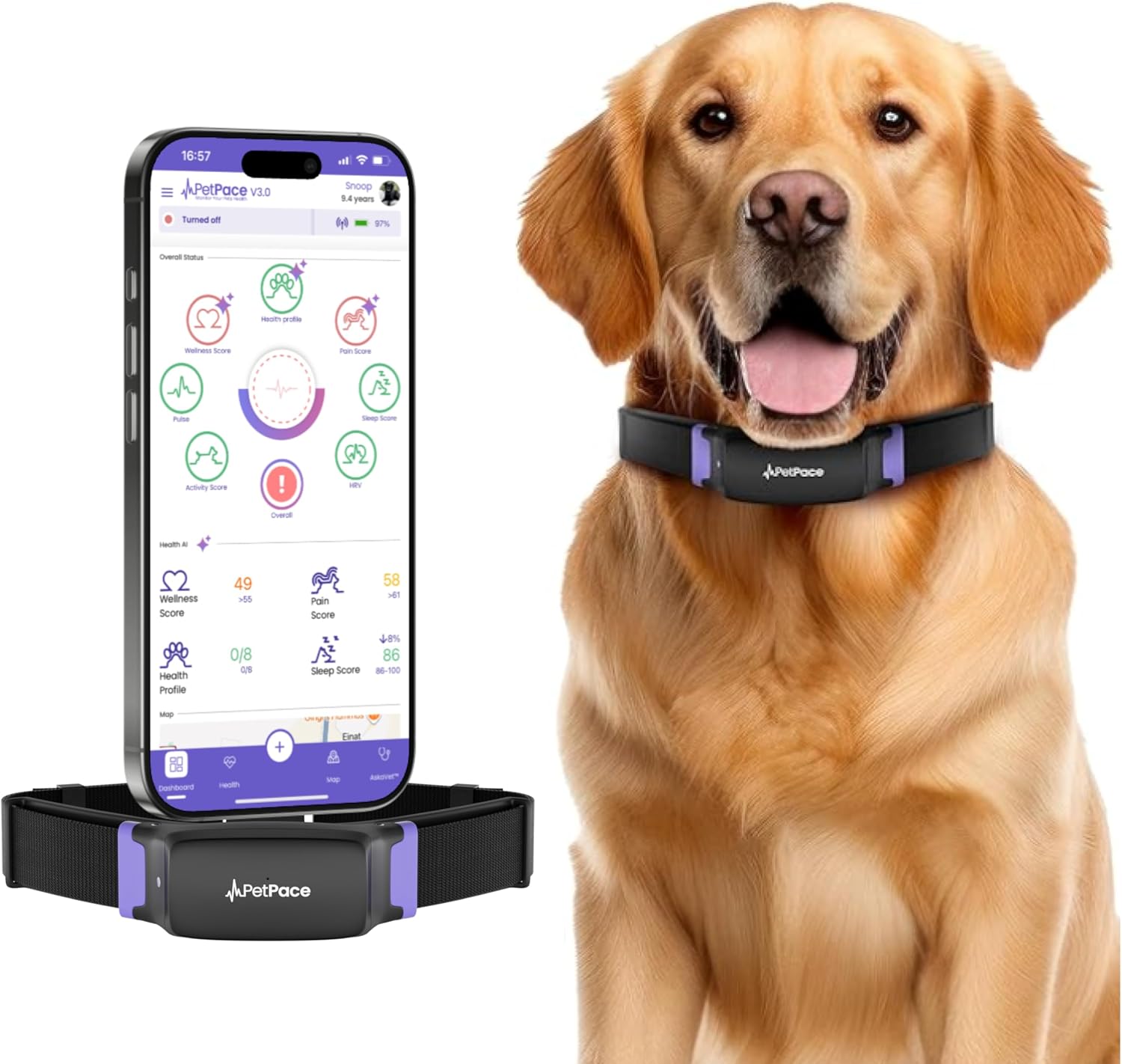
Fi Smart Dog Collar with GPS
Real-time GPS tracking, activity monitoring, and escape alerts. Waterproof design with 3-month battery life. Essential for off-leash hiking and wilderness adventures.
Check Amazon PriceEssential Outdoor Safety Gear for Pets
The right gear can make the difference between a fun adventure and a dangerous situation. Here are the non-negotiable safety items for outdoor activities with pets:
| Essential Gear | Purpose & Importance | Budget vs. Premium |
|---|---|---|
| GPS Tracker Collar | Real-time location tracking in wilderness areas. Critical for off-leash activities and emergency situations. | Budget: $50-100 | Premium: $150-250 |
| Rugged Harness | Better control than collar alone. Prevents neck injury and provides lift points for assistance. | Budget: $25-40 | Premium: $50-100 |
| Reflective Gear/Lights | Visibility during dawn/dusk/night. Essential for road trips and camping. | Budget: $15-30 | Premium: $40-80 |
| Portable Water System | Collapsible bowls and water bottles. Prevents dehydration on trails. | Budget: $10-20 | Premium: $25-50 |
| Pet First Aid Kit | Specific supplies for pet injuries. Must include tweezers, bandages, antiseptic. | Budget: $20-35 | Premium: $40-80 |
| Boots/Paw Protection | Protects from hot pavement, ice, rough terrain, and sharp objects. | Budget: $20-40 | Premium: $50-100 |
Gear Warning: Fit Matters
Improperly fitted gear can cause serious injuries:
- Harnesses: Should allow two fingers between straps and body
- Boots: Must stay on securely without cutting circulation
- Collars: Should not slip over ears when pulled backward
- Backpacks: Weight should not exceed 25% of pet's body weight
Always test gear at home before adventures and check for rubbing or discomfort every 30 minutes during activities.
Hiking Safety: Trails, Terrain & Wildlife
Hiking with pets offers wonderful bonding opportunities but requires specific safety considerations. Follow these hiking safety guidelines:
Trail Selection
Choose pet-friendly trails with moderate difficulty. Consider your pet's fitness level start with shorter hikes and gradually increase distance. Avoid trails with steep drop-offs, technical climbs, or extreme weather exposure.
Paw Protection
Check paws frequently for cuts, burns, or debris. Use booties on rough terrain, hot pavement, or ice. Apply paw wax before hikes for natural protection. Carry a paw cleaning kit for post-hike care.
Wildlife Awareness
Keep pets leashed in wildlife areas. Be aware of local predators (bears, coyotes, mountain lions). Avoid dawn/dusk hiking when predators are active. Make noise on trails to alert wildlife of your presence.
Hydration Strategy
Dogs need 1 oz of water per pound daily, plus 50% more during activity. Offer water every 30 minutes. Watch for dehydration signs: dry gums, excessive panting, lethargy. Never let pets drink from stagnant water sources.
Hiking Safety Essential
Waterproof
Ruffwear Front Range Harness
Comfortable everyday harness with two leash attachment points. Reflective trim for low-light visibility. Four points of adjustment for secure fit.
Check Amazon Price
Camping Safety with Pets
Camping introduces additional considerations beyond day hikes. Follow this camping safety checklist:
Secure Your Area
Set up a designated pet area with a stake or tie-out. Keep pets leashed at all times in campgrounds. Create a comfortable sleeping area in your tent. Never leave pets unattended at the campsite.
Nighttime Protocols
Attach glow sticks or lights to collars for nighttime visibility. Store all food in bear-proof containers away from tents. Keep pets inside tents or secured crates overnight. Be aware of nocturnal wildlife activity.
Avoid Common Dangers
Keep pets away from campfires and cooking areas. Watch for fishing hooks, cooking utensils, and sharp objects. Prevent access to toxic plants (identify local species). Supervise around water sources.
Daily Health Assessment
Check for ticks each morning (especially ears, armpits, groin). Assess paw condition. Monitor appetite and energy levels. Ensure proper hydration before daily activities.
Camping Pro Tips
- Bring familiar items: Favorite bed, toys, and bowls reduce stress
- Practice at home: Set up the tent in your yard first
- Pack extra towels: For drying off after rain or swimming
- Know campground rules: Many have specific pet regulations
- Leave no trace: Pack out all waste, including pet waste
Road Trip & Travel Safety Tips
Safe car travel is essential for reaching outdoor destinations. Follow these road trip safety guidelines:
Restraint Systems
Use crash-tested harnesses, carriers, or barriers. Never allow pets in the front seat (airbag danger). Ensure proper ventilation. Take breaks every 2-3 hours for exercise and bathroom needs.
Temperature Control
Never leave pets unattended in vehicles. Temperatures can become deadly in minutes. Use sunshades and park in shade. Consider remote start for climate control during quick stops.
Route Planning
Identify pet-friendly rest stops and hotels. Research emergency vet clinics along your route. Plan for meal and exercise breaks. Have backup options for accommodations.
Travel Kit
Pack: Food, water, bowls, medications, first aid, cleanup supplies, documentation, favorite toy, bedding, leash, collar with tags, recent photo, waste bags.
Travel Safety Essential
Crash Tested
Sleepypod Clickit Sport Harness
Center for Pet Safety certified. Crash-tested for safety. Easy to install and adjust. Comfortable for extended wear during travel.
Check Amazon PriceWeather & Temperature Considerations
Hot Weather Safety
Heat poses serious risks to pets during outdoor activities. Follow these hot weather precautions:
- Paw protection: Test pavement with your hand if it's too hot for you, it's too hot for paws
- Hydration: Increase water intake by 50% in temperatures above 75°F
- Timing: Hike during cooler morning/evening hours; avoid midday heat
- Cooling gear: Consider cooling vests, bandanas, or mats
- Recognize heatstroke: Symptoms include excessive panting, bright red gums, vomiting, collapse
Cold Weather Safety
Winter adventures require special preparations for pet safety:
- Paw protection: Booties prevent ice buildup and chemical exposure from de-icers
- Layer appropriately: Consider jackets for short-haired or small breeds
- Limit exposure: Watch for shivering, whining, or lifting paws signs it's too cold
- Post-adventure care: Wipe paws to remove ice-melting chemicals; check for cracks
- Nutrition: Pets may need more calories in cold weather for heat production
Cold Weather Warning
Small breeds, short-haired dogs, puppies, seniors, and pets with health conditions are more susceptible to hypothermia. Limit outdoor time in extreme cold, and always provide warm shelter. If your pet gets wet, dry them thoroughly as soon as possible.

Emergency Preparedness & First Aid
Despite best efforts, emergencies can happen. Being prepared can save your pet's life. Create an emergency action plan:
First Aid Kit Essentials
- Gauze pads and roll gauze
- Adhesive tape (vet wrap)
- Antiseptic wipes
- Tweezers (for ticks, splinters)
- Digital thermometer
- Emergency blanket
- Benadryl (know correct dosage)
Emergency Contacts
- Your veterinarian's number
- 24-hour emergency vet clinic
- Animal poison control hotline
- Local animal control
- Park ranger station number
Location Awareness
- Note trailhead name and location
- Mark your campsite on GPS/map
- Know nearest road access points
- Identify evacuation routes
Essential Skills
- Canine CPR certification
- Recognizing shock symptoms
- Creating emergency stretcher
- Basic wound care
- Heatstroke response
Final Safety Thoughts
Outdoor adventures with pets create incredible memories and strengthen your bond. The key to successful adventures isn't avoiding all risks it's preparing for them intelligently. Start with short, local trips to build your pet's skills and confidence. Always prioritize safety over distance or difficulty goals.
Remember that every pet is unique. What works for one may not suit another. Pay attention to your pet's signals and adjust accordingly. The goal is happy, safe adventures that you'll both remember fondly. For ongoing safety education, consider taking a Red Cross Pet First Aid course.
With proper preparation, awareness, and the right gear, you and your pet can safely explore the great outdoors together for years to come. Happy adventures!