Changing your pet's food requires a careful, gradual approach to prevent digestive upset and ensure they accept the new diet. According to the American Animal Hospital Association, abrupt diet changes are a common cause of gastrointestinal issues in pets.
This comprehensive guide provides detailed timelines and strategies for transitioning your pet to new food, whether you're switching brands, formulas, or dealing with special dietary needs. For more information on special diets, check out our complete guide to special diet needs.
Table of Contents

Why Gradual Transition Matters
A gradual transition allows your pet's digestive system to adapt to new ingredients, textures, and nutrient profiles. According to research published in the Journal of Animal Science, sudden diet changes can disrupt the gut microbiome, leading to digestive issues.
Benefits of a Gradual Transition
- Prevents digestive upset: Reduces risk of vomiting, diarrhea, and gas
- Maintains gut health: Allows beneficial gut bacteria to adjust
- Improves acceptance: Gives pets time to adapt to new tastes and textures
- Identifies issues early: Helps spot food sensitivities or allergies
- Reduces stress: Minimizes the anxiety associated with dietary changes
Pro Tip
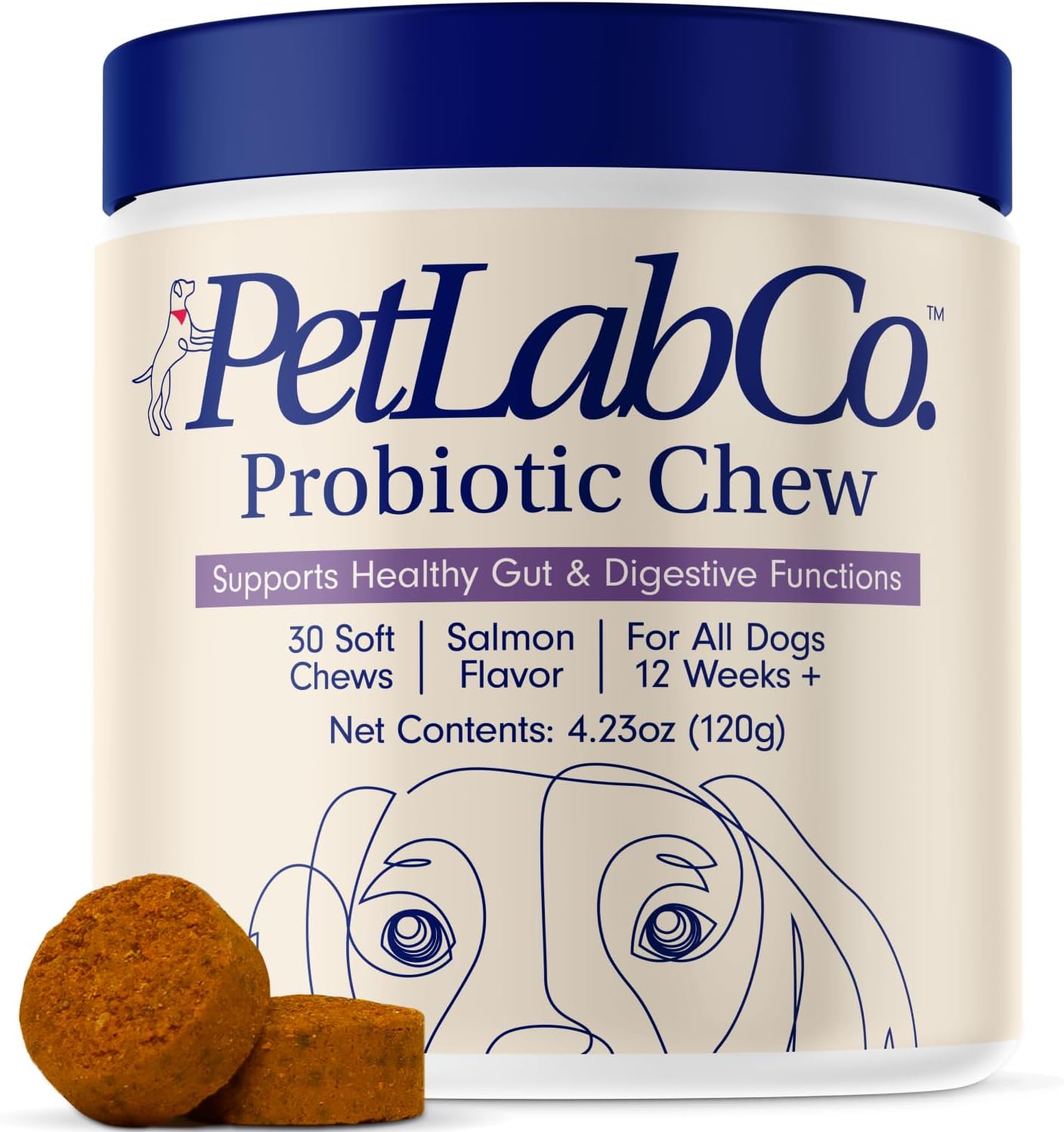
Always have your pet's previous food on hand during the transition period. If digestive issues arise, you can temporarily revert to the original diet and slow down the transition process. For pets with known digestive sensitivities, consider our digestive support products to help ease the transition.
Standard 7-Day Transition Timeline
The 7-day transition is the most commonly recommended approach for healthy adult pets switching between similar formulas. This method gradually introduces the new food while phasing out the old.
25% New Food
Mix 25% new food with 75% current food. Monitor for any signs of digestive upset or rejection.
50% New Food
Increase to a 50/50 mix of new and current food. Continue monitoring stool quality and appetite.
75% New Food
Mix 75% new food with 25% current food. Most pets should be adapting well at this stage.
100% New Food
Complete the transition to 100% new food. Continue monitoring for another week to ensure full adaptation.
Important Note
If at any point your pet shows signs of digestive distress (vomiting, diarrhea, loss of appetite), return to the previous ratio that was well-tolerated for a few more days before attempting to progress again. For persistent issues, consult your veterinarian. Check our health resources for more guidance.

Extended Transition Timelines
Some pets require a slower transition to adapt successfully to new food. Extended timelines are recommended for sensitive pets, major formula changes, or picky eaters.
For Sensitive Pets (10-14 Days)
Pets with known digestive sensitivities, food allergies, or those prone to gastrointestinal issues benefit from a more gradual approach:
- Days 1-3: 25% new food, 75% current food
- Days 4-7: 50% new food, 50% current food
- Days 8-10: 75% new food, 25% current food
- Days 11-14: 100% new food
For Major Formula Changes (14-21 Days)
When switching between dramatically different formulas (such as grain-free to grain-inclusive, or regular to prescription diet), a longer transition is essential:
- Week 1: 25% new food
- Week 2: 50% new food
- Week 3: 75% new food
- Week 4: 100% new food
For Picky Eaters (Variable Timeline)
Some pets are particularly resistant to dietary changes. For these pets, patience and strategy are key:
- Start with just a tablespoon of new food mixed with current food
- Gradually increase the proportion over 2-3 weeks
- Use food toppers or warm water to enhance palatability
- Consider mixing wet and dry foods for texture variety
Transition Tip
For picky eaters, try warming the food slightly to enhance aroma, or add a small amount of low-sodium broth. Always ensure any additions are pet-safe and don't contradict dietary restrictions.
Special Transition Scenarios
Certain situations require customized transition approaches. Understanding these scenarios can help you tailor the process to your pet's specific needs.
Puppy/Kitten to Adult Food
Transitioning from growth formulas to adult maintenance food requires careful timing and gradual change to support continued development.
Recommended Timeline:
- Begin at appropriate age (varies by breed/size)
- Use 10-14 day transition period
- Monitor growth and body condition
- Consult your veterinarian for timing
To Prescription Diets
Therapeutic diets often have different textures, flavors, and nutrient profiles that may require a more gradual introduction.
Recommended Timeline:
- 14-21 day transition period
- Follow veterinary guidance closely
- Monitor for both acceptance and therapeutic response
- Never mix with non-prescription foods unless directed
Wet to Dry Food (or Vice Versa)
Switching between wet and dry formulations involves both texture and moisture content changes that can affect acceptance and digestion.
Recommended Timeline:
- 10-14 day transition period
- Consider mixing textures initially
- Ensure adequate water intake with dry food
- Monitor for dental issues with texture changes
To Senior Formulas
Senior pets may have decreased senses of smell and taste, dental issues, or slower metabolisms that affect food transition.
Recommended Timeline:
- 14-day minimum transition
- Soak kibble if dental issues are present
- Monitor weight and condition closely
- Consider smaller, more frequent meals
Troubleshooting Common Issues
Even with careful planning, you may encounter challenges during the transition process. Here's how to address common issues:
Refusal to Eat
If your pet refuses the new food mix:
- Return to the previous ratio that was accepted
- Try enhancing palatability with warm water or pet-safe broth
- Ensure the food is fresh and properly stored
- Consider a different flavor or texture if rejection persists
Digestive Upset
If vomiting, diarrhea, or gas occurs:
- Immediately return to the previous ratio
- Consider a slower transition timeline
- Consult your veterinarian if symptoms persist
- Rule out unrelated causes of digestive issues
Selective Eating
If your pet picks out the old food and leaves the new:
- Try mixing the foods more thoroughly
- Consider a texture that's harder to separate
- Use a food processor to blend similar textures
- Be patient - this behavior often resolves with consistency

Monitoring Your Pet's Response
Careful observation during the transition period helps identify potential issues early and ensures the new diet is appropriate for your pet.
What to Monitor
- Appetite: Is your pet eating enthusiastically?
- Stool quality: Well-formed, consistent stools indicate good digestion
- Energy level: Maintained or improved energy suggests good nutrient utilization
- Coat condition: Shiny coat indicates good nutrient absorption
- Weight: Stable weight suggests appropriate calorie intake
- Water consumption: Changes may indicate issues with the new formula
Monitoring Tip
Keep a simple journal during the transition period, noting appetite, stool quality, energy level, and any unusual behaviors.
When to Consult Your Veterinarian
While most diet transitions proceed smoothly, certain situations warrant professional guidance. Contact your veterinarian if you observe:
- Persistent vomiting or diarrhea lasting more than 24 hours
- Complete refusal to eat for more than 24 hours
- Signs of abdominal pain or discomfort
- Lethargy or weakness accompanying the diet change
- Signs of allergic reaction (facial swelling, hives, difficulty breathing)
- Significant weight loss during the transition
- Blood in stool or vomit
Emergency Situations
If your pet shows signs of severe allergic reaction (difficulty breathing, facial swelling, collapse) or appears to be in significant distress, seek emergency veterinary care immediately. These are rare but serious situations that require prompt medical attention.
Final Thought
A successful diet transition sets the foundation for your pet's long-term health and wellbeing. By following these timelines and monitoring your pet's response, you can ensure a smooth change to their new food. Remember that every pet is unique, and flexibility is key - don't hesitate to adjust the timeline based on your individual pet's needs. For more nutrition guidance, explore our complete blog or check out our food transition aids.