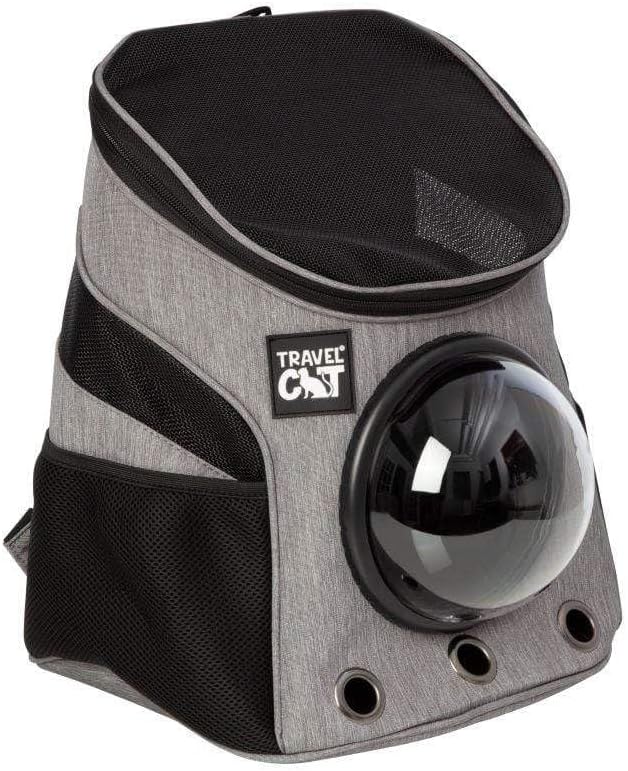
A pet carrier is more than just a travel accessory—it's your pet's mobile safe space. Whether you're heading to the vet, traveling by plane, or simply taking your furry friend on an adventure, the right carrier ensures their safety, comfort, and peace of mind.
This comprehensive guide will walk you through everything you need to know about pet carriers, from types and features to sizing and airline regulations. We'll help you make an informed decision that keeps your pet secure and comfortable in any situation.
Table of Contents

Why the Right Carrier Matters
Choosing the appropriate carrier isn't just about convenience—it's about your pet's safety and well-being. The right carrier can reduce travel anxiety, prevent injuries, and even save your pet's life in an emergency situation.
Key Benefits of a Quality Pet Carrier:
- Safety During Travel: Protects your pet from sudden stops, turbulence, or accidents
- Stress Reduction: Provides a familiar, enclosed space that can calm anxious pets
- Containment: Prevents escape during transport or in unfamiliar environments
- Temperature Regulation: Proper ventilation helps maintain comfortable temperatures
- Injury Prevention: Reduces risk of falls or getting stepped on in crowded areas
- Compliance: Meets airline, train, or bus requirements for pet travel
Pro Tip
Always introduce your pet to their new carrier gradually. Leave it open in your home with comfortable bedding and treats inside to create positive associations before using it for travel.

Types of Pet Carriers
Different situations call for different types of carriers. Understanding the options will help you choose the best one for your specific needs.
Carrier Comparison
| Carrier Type | Best For | Pros | Cons |
|---|---|---|---|
| Hard-Sided Carriers | Air travel, car travel, protection | Maximum protection, airline approved, durable | Heavy, bulky, limited storage when not in use |
| Soft-Sided Carriers | Car travel, vet visits, daily use | Lightweight, collapsible, storage pockets | Less protection, may not be airline approved |
| Backpack Carriers | Hiking, urban travel, hands-free use | Hands-free carrying, good visibility for pet | Weight distribution issues, limited to smaller pets |
| Rolling Carriers | Airports, large pets, owners with mobility issues | Easy transport, reduced physical strain | Heavier, may not fit under airplane seats |
| Slings & Pouches | Small pets, short trips, constant supervision | Close contact with pet, lightweight, compact | Limited security, not for anxious or active pets |
Specialized Carriers:
- Airline-Approved Carriers: Specifically designed to meet airline size and safety requirements
- Car Seat Carriers: Double as car seats with seatbelt compatibility
- Stroller Combinations: Convertible carriers that attach to stroller frames
- Disaster/Evacuation Carriers: Designed for emergency situations with quick access
- Multi-Pet Carriers: Accommodate multiple small pets in separate compartments
Essential Carrier Features to Consider
Not all carriers are created equal. Look for these important features to ensure your pet's safety and comfort.
Ventilation
Multiple mesh panels for optimal airflow and visibility
Secure Closures
Sturdy zippers, locks, or latches that prevent escape
Comfortable Handles
Padded handles and shoulder straps for easy carrying
Easy Cleaning
Removable, washable pads or wipe-clean surfaces
Storage Options
Pockets for treats, documents, and small accessories
Stability
Sturdy base that prevents tipping or collapsing
Safety Features to Prioritize:
- Escape-Proof Design: Secure closures and reinforced seams
- Seatbelt Compatibility: Loops or straps for securing in vehicles
- Breathable Materials: Mesh panels that allow proper airflow
- Non-Toxic Materials: Safe if chewed or licked
- Reinforced Bottom: Supports your pet's weight without sagging
- Quick Access: Multiple entry points for easy pet removal
Safety Warning
Never leave your pet unattended in a carrier, especially in a vehicle. Temperatures can rise rapidly, leading to heatstroke or death. Even on mild days, the temperature inside a car can reach dangerous levels within minutes.

Choosing the Right Size Carrier
Proper sizing is crucial for your pet's comfort and safety. A carrier that's too small can cause stress and discomfort, while one that's too large may not provide adequate security.
Size Guidelines by Pet Type:
- Dogs: Should be able to stand up, turn around, and lie down comfortably
- Cats: Need enough space to stand, turn, and assume natural sleeping positions
- Small Animals: Require carriers with appropriate bar spacing to prevent escape
- Birds: Need carriers with proper perches and ventilation specific to species
Measuring Your Pet for a Carrier:
- Length: Measure from nose to base of tail
- Height: Measure from floor to top of head or ears (whichever is higher)
- Width: Measure across the widest part of their body (typically shoulders)
- Add Extra Space: Add 2-4 inches to each measurement for comfort
Weight Considerations:
- Ensure the carrier can support your pet's weight with a safety margin
- Consider your own ability to carry the loaded carrier
- For larger pets, rolling carriers may be more practical
- Check weight limits for airline travel if applicable
Airline Travel Tip
If you plan to fly with your pet, always check the specific airline's carrier requirements before purchasing. Dimensions for under-seat storage vary between airlines and aircraft types. Most airlines require that pets can stand and turn around comfortably in their carrier.
Material and Construction Quality
The materials used in your pet's carrier affect durability, safety, comfort, and ease of cleaning.
Common Carrier Materials:
- ABS Plastic: Durable, lightweight, easy to clean (common in hard-sided carriers)
- Polyester/Nylon: Lightweight, water-resistant, flexible (common in soft-sided carriers)
- Metal Wire: Maximum ventilation, very durable (common in crates and some carriers)
- Mesh Panels: Provide ventilation while containing your pet
- Memory Foam Padding: Extra comfort for longer journeys
Construction Elements to Evaluate:
- Stitching: Double-stitched seams for added durability
- Zippers: Heavy-duty with secure locking mechanisms
- Reinforcements: Extra material at stress points
- Water Resistance: Important for unexpected weather or accidents
- Non-Slip Bases: Prevent sliding during transport
Pet Carrier Safety Tips
Proper use of a carrier is just as important as choosing the right one. Follow these safety guidelines to protect your pet.
General Safety Guidelines:
- Always secure the carrier with a seatbelt in vehicles
- Never place carriers in the front seat (airbags can be deadly)
- Ensure proper ventilation at all times
- Check that all closures are secure before moving
- Never stack items on top of the carrier
- Monitor your pet for signs of distress during travel
Temperature Considerations:
- Avoid leaving carriers in direct sunlight
- In cold weather, provide extra bedding for warmth
- In hot weather, ensure adequate airflow and consider cooling pads
- Never leave pets in parked cars, even with windows cracked
- Watch for signs of overheating (panting, drooling, agitation)
Comfort Tip
Make the carrier more inviting by adding familiar items like your pet's favorite blanket, a piece of your clothing with your scent, or a special toy. This can significantly reduce travel anxiety and help your pet feel more secure.
Training Your Pet to Use a Carrier
Many pets naturally resist carriers, but with patience and positive reinforcement, you can help them learn to accept—and even enjoy—their mobile safe space.
Step-by-Step Carrier Training:
- Introduction Phase: Place the open carrier in a familiar area with comfortable bedding
- Positive Association: Place treats, meals, or favorite toys inside the carrier
- Short Sessions: Encourage your pet to enter voluntarily, then reward them
- Door Familiarization: Practice closing the door for brief periods while staying nearby
- Short Trips: Begin with very short car rides to positive destinations
- Gradual Increases: Slowly extend the duration of time spent in the carrier
Common Training Challenges:
- Fearful Pets: Use high-value treats and move at their pace
- Previous Trauma: Consider a different style of carrier if associations are negative
- Escape Artists: Ensure the carrier is secure and consider additional safety features
- Car Sickness: Consult your veterinarian about medication or natural remedies
Special Considerations by Pet Type
Different pets have unique needs when it comes to carriers. Consider these species-specific factors.
Dogs:
- Breeds with short noses (brachycephalic) need extra ventilation
- Anxious dogs may benefit from covered carriers that feel more den-like
- Large dogs may require rolling carriers or specialized vehicle restraints
- Puppies need carriers they can grow into but with appropriate dividers
Cats:
- Most cats prefer carriers with top openings for easier access
- Covering the carrier with a light blanket can reduce stress
- Consider carriers with removable tops for veterinary exams
- Feliway sprays or calming treats can help reduce travel anxiety
Small Animals & Exotics:
- Small mammals need secure closures and appropriate bar spacing
- Birds require specialized carriers with perches and food/water access
- Reptiles need temperature-controlled carriers for longer journeys
- Always research species-specific requirements before traveling
Final Recommendation
Invest in the best carrier you can afford—it's an investment in your pet's safety and comfort. Consider your typical usage scenarios, your pet's specific needs, and any travel requirements you might encounter. The right carrier will provide peace of mind for both you and your pet during all your adventures together.