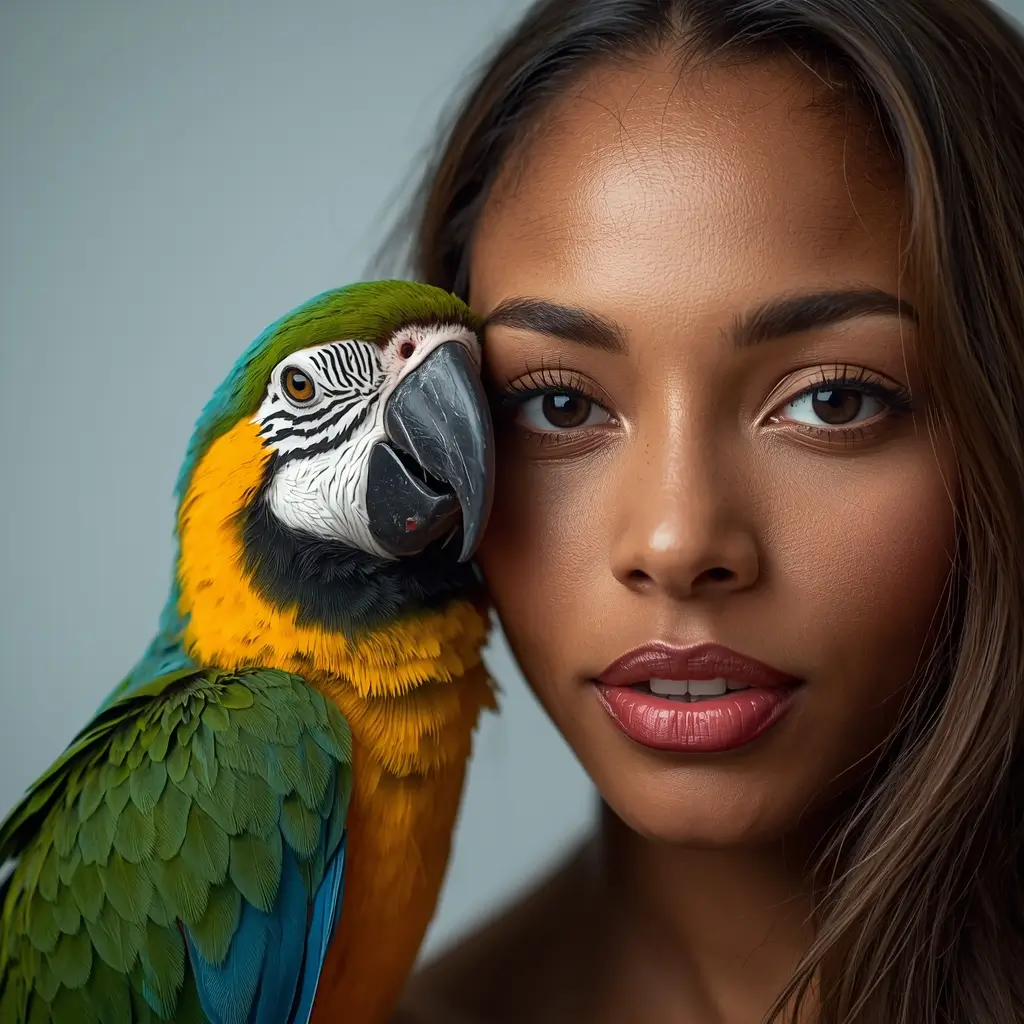
Providing your parrot with safe outdoor time can significantly enhance their quality of life, offering mental stimulation, natural sunlight, and fresh air. However, taking birds outside requires careful planning and precautions to ensure their safety.
This comprehensive guide covers everything you need to know about safely giving your parrot outdoor experiences, from harness training to selecting the right outdoor cages and playstands. For more information on bird care, check out our complete guide to bird care.
Table of Contents

Benefits of Outdoor Time for Parrots
Parrots are intelligent, active creatures that thrive on environmental enrichment. According to the Association of Avian Veterinarians, regular outdoor exposure can provide numerous benefits for captive parrots when done safely.
Natural Sunlight
Direct sunlight helps parrots produce Vitamin D3, essential for calcium absorption and bone health. Full-spectrum light also supports proper feather condition and coloration.
Key Benefits:
- Improved calcium metabolism
- Enhanced feather quality
- Better overall health
Mental Stimulation
Outdoor environments provide novel sights, sounds, and smells that engage a parrot's curiosity and prevent boredom, which can lead to destructive behaviors.
Key Benefits:
- Reduced feather plucking
- Decreased screaming
- Enhanced problem-solving skills
Physical Exercise
Outdoor spaces often allow for more flying room and different types of physical activity than indoor environments, promoting cardiovascular health and muscle tone.
Key Benefits:
- Improved flight skills
- Better muscle development
- Weight management
Behavioral Benefits
Regular outdoor time can reduce stress, improve mood, and strengthen the bond between parrot and owner through shared positive experiences.
Key Benefits:
- Reduced anxiety
- Stronger human-bird bond
- More natural behaviors
Pro Tip
Start with short outdoor sessions of 15-30 minutes and gradually increase the duration as your parrot becomes more comfortable. Always monitor your bird closely for signs of stress or discomfort. For more tips on parrot care, check out our complete parrot care guide.
Understanding Safety Risks
Before taking your parrot outside, it's crucial to understand and mitigate potential risks. The World Parrot Trust provides excellent resources on outdoor safety for pet birds.

Common Outdoor Hazards for Parrots
- Predators: Hawks, cats, dogs, and even larger birds can pose threats
- Weather extremes: Heat, cold, wind, and rain can be dangerous
- Toxic plants: Many common garden plants are poisonous to birds
- Escape risk: Even clipped birds can be carried away by wind
- Pesticides and chemicals: Lawn treatments and neighbors' gardening products
- Other birds: Wild birds can transmit diseases to your parrot
- Stress: Unfamiliar environments and loud noises can cause anxiety
Important
Never leave your parrot unattended outdoors, even in a secure cage. Predators can tip over cages or reach through bars, and weather conditions can change rapidly. If you're concerned about outdoor safety, consider our safety products or consulting an avian veterinarian.
Choosing the Right Outdoor Cage
A secure outdoor cage is essential for safe outdoor experiences. The Lafeber Company provides excellent guidance on selecting appropriate outdoor enclosures for birds.
Key Features of a Good Outdoor Cage
- Sturdy construction: Heavy-gauge wire that predators can't bend or break
- Appropriate bar spacing: Prevents escape and predator access
- Weather protection: Partial roof or sheltered area for shade and rain protection
- Secure locks: Multiple locking mechanisms to prevent accidental openings
- Easy to clean: Removable trays and accessible interior
- Proper size: Enough room for movement and wing stretching
- Portability: Wheels or lightweight design for easy moving
Remember that outdoor cages require more frequent cleaning than indoor cages due to exposure to weather, debris, and potential contaminants.
Harness Training Your Parrot
Harness training allows your parrot to safely explore outdoors while remaining securely tethered to you. According to research published in the Journal of Applied Animal Behaviour Science, positive reinforcement training is most effective for birds.
Types of Harnesses
Different harness styles suit different parrot species and temperaments:
- Aviator Harness: Most popular design with secure fit and comfortable materials
- Flight Suit: Full-body suit that also functions as a diaper
- Figure-8 Harness: Simple design that works well for smaller birds
- Custom Harnesses: Made-to-measure options for hard-to-fit birds
Training Steps
Successful harness training requires patience and positive reinforcement:
- Desensitization: Let your parrot investigate the harness without wearing it
- Target training: Teach your bird to touch a target stick, which will help with positioning
- Head loop introduction: Practice putting just the head loop over your parrot's head
- Full harness fitting: Gradually work up to putting on the entire harness
- Indoor wearing: Have your parrot wear the harness indoors for short periods
- Outdoor introduction: Take your harnessed parrot outside for brief sessions
Common Challenges
- Fear response: Some parrots are initially afraid of the harness
- Chewing: Birds may try to chew through harness materials
- Improper fit: An ill-fitting harness can be uncomfortable or unsafe
- Training regression: Some birds need refresher training sessions
Important Note
Never force a harness on your parrot. This can damage trust and make future training more difficult. If your parrot shows significant stress, take a step back in the training process. For help with training issues, check our training resources.

Outdoor Playstands and Perches
Outdoor playstands provide a secure base for your parrot to enjoy the outdoors while allowing natural behaviors like climbing, chewing, and foraging.
Features of Good Outdoor Playstands
Stability
A wide, heavy base prevents tipping, even when your parrot is active. Some models have weighted bases or ground stakes for extra security.
Natural Materials
Untreated, bird-safe wood branches provide comfortable perching surfaces and opportunities for natural chewing behavior.
Multiple Levels
Different height levels encourage climbing and exercise, mimicking the vertical environment parrots experience in the wild.
Toy Attachments
Built-in hooks and attachment points allow you to add foraging toys, swings, and other enrichment items.
When selecting an outdoor playstand, consider your parrot's size, activity level, and chewing habits. Larger, more active birds need sturdier construction.
Weather and Temperature Considerations
Parrots are sensitive to temperature extremes and weather conditions. The MSPCA provides guidelines for safe temperature ranges for pet birds.
Temperature Guidelines
- Ideal range: 65-80°F (18-27°C) for most parrot species
- Too hot: Above 85°F (29°C) can cause heat stress
- Too cold: Below 50°F (10°C) can be dangerous for tropical species
- Wind chill: Even moderate breezes can make temperatures feel colder
- Direct sun: Always provide shaded areas to prevent overheating
Signs of Temperature Distress
- Heat stress: Panting, holding wings away from body, lethargy
- Cold stress: Fluffing feathers, shivering, decreased activity
- Dehydration: Sunken eyes, dry mucous membranes, reduced skin elasticity
Weather Tip
Check the weather forecast before taking your parrot outside. Avoid outdoor time during extreme temperatures, high winds, or storms. Always have a plan to bring your bird inside quickly if conditions change. For more weather-related advice, see our seasonal care guide.
Proper Supervision Techniques
Constant supervision is non-negotiable when your parrot is outdoors. Even in a secure cage or on a harness, situations can develop quickly.
Supervision Best Practices
- Stay within arm's reach of your parrot at all times
- Keep other pets indoors or securely contained
- Be aware of wildlife in your area, especially birds of prey
- Watch for signs of stress or discomfort in your parrot
- Have an emergency plan and necessary supplies nearby
- Limit distractions like phones or books during outdoor sessions
Indoor Alternatives for Outdoor Enrichment
If outdoor time isn't possible due to weather, location, or your parrot's temperament, there are indoor alternatives that provide similar benefits.
Creating an Indoor "Outdoor" Experience
- Full-spectrum lighting: Special bulbs that mimic natural sunlight
- Bird-safe plants: Create a mini indoor garden for your parrot to explore
- Window perches: Secure perches that allow viewing of outdoor activity
- Nature sounds: Play recordings of outdoor environments
- Foraging opportunities: Hide treats in bird-safe materials to encourage natural behaviors
- Avian-safe rooms: Designate a bird-proofed room for supervised flight
Final Thought
Safe outdoor time can greatly enrich your parrot's life, providing mental stimulation, physical exercise, and important health benefits. By following proper safety protocols, using appropriate equipment, and providing constant supervision, you can create positive outdoor experiences that strengthen your bond with your feathered companion. Remember that every parrot is an individual, so tailor outdoor activities to your bird's specific needs and comfort level. For more resources, explore our complete blog or check out our outdoor bird products.