Parrots are among the most intelligent and engaging companion animals, capable of forming deep bonds with their human caretakers. However, they also require significant commitment, specialized care, and understanding of their complex needs.
This comprehensive guide will help you understand what it takes to be a responsible parrot owner, from selecting the right species for your lifestyle to providing proper care, training, and enrichment for a happy, healthy companion. For more information on bird care, check out our complete guide to bird care products.
Table of Contents

Choosing the Right Parrot for You
Selecting the right parrot species is crucial for a successful companionship. Different parrot species have varying needs, lifespans, temperaments, and care requirements. According to the World Parrot Trust, proper species selection is one of the most important factors in parrot welfare.
Popular Parrot Species for Companionship
Here are some of the most popular parrot species kept as companions, each with unique characteristics:
Budgerigar (Parakeet)
Small, energetic birds that are excellent for beginners. They can learn to talk and are relatively low-maintenance compared to larger parrots.
Key Facts:
- Lifespan: 5-10 years
- Size: 7-8 inches
- Talking ability: Good
Cockatiel
Gentle, affectionate birds known for their distinctive crests and whistling abilities. They bond strongly with their owners.
Key Facts:
- Lifespan: 15-20 years
- Size: 12-13 inches
- Talking ability: Fair
African Grey
Highly intelligent birds with exceptional talking ability and problem-solving skills. They require significant mental stimulation.
Key Facts:
- Lifespan: 40-60 years
- Size: 13-16 inches
- Talking ability: Excellent
Macaw
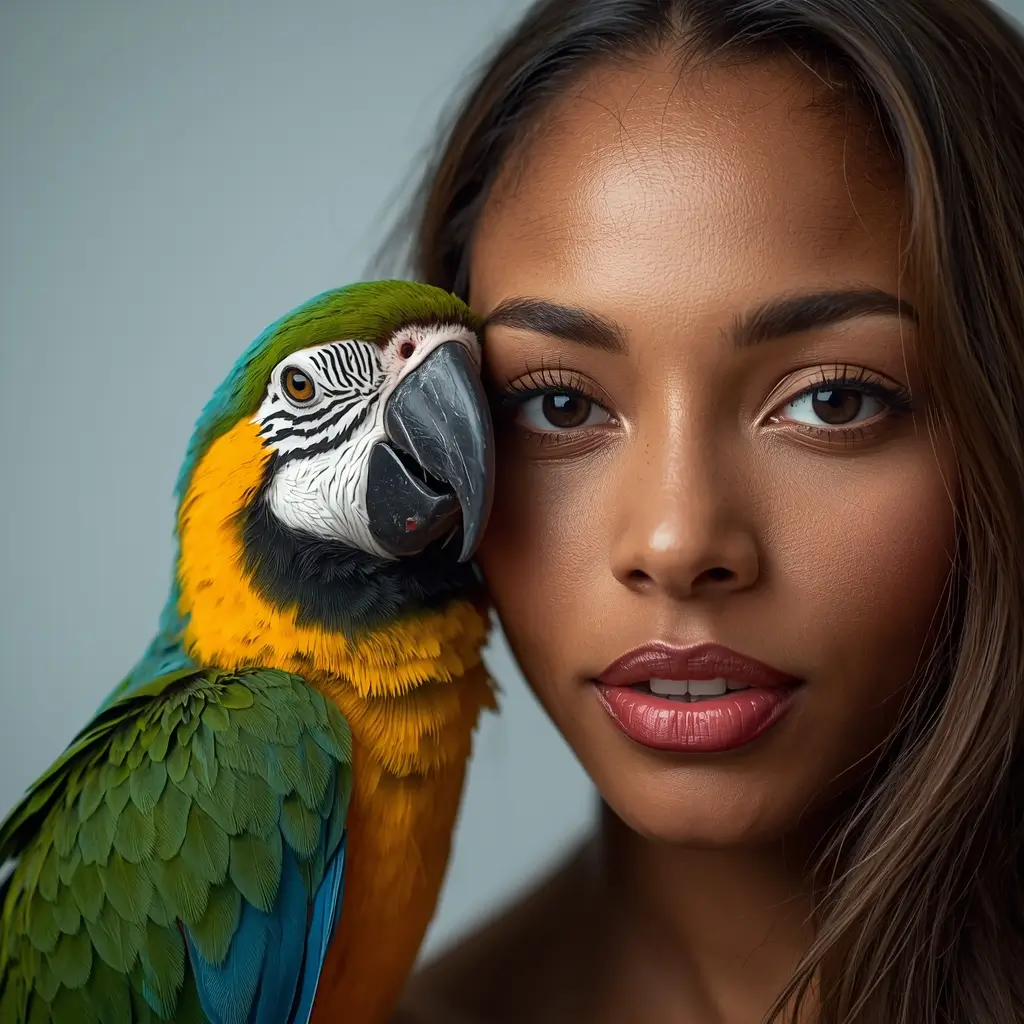
Large, spectacular birds known for their vibrant colors and strong bonds with owners. They require extensive space and attention.
Key Facts:
- Lifespan: 50+ years
- Size: 30-40 inches
- Talking ability: Good
Pro Tip
Always consider a parrot's lifespan before adoption. Many parrot species can outlive their owners, so having a long-term care plan is essential. For more guidance on choosing the right bird, check out our bird care resources.
Essential Parrot Care Requirements
Proper parrot care involves more than just providing food and water. These intelligent creatures need appropriate housing, social interaction, mental stimulation, and veterinary care to thrive in captivity.

Cage Requirements
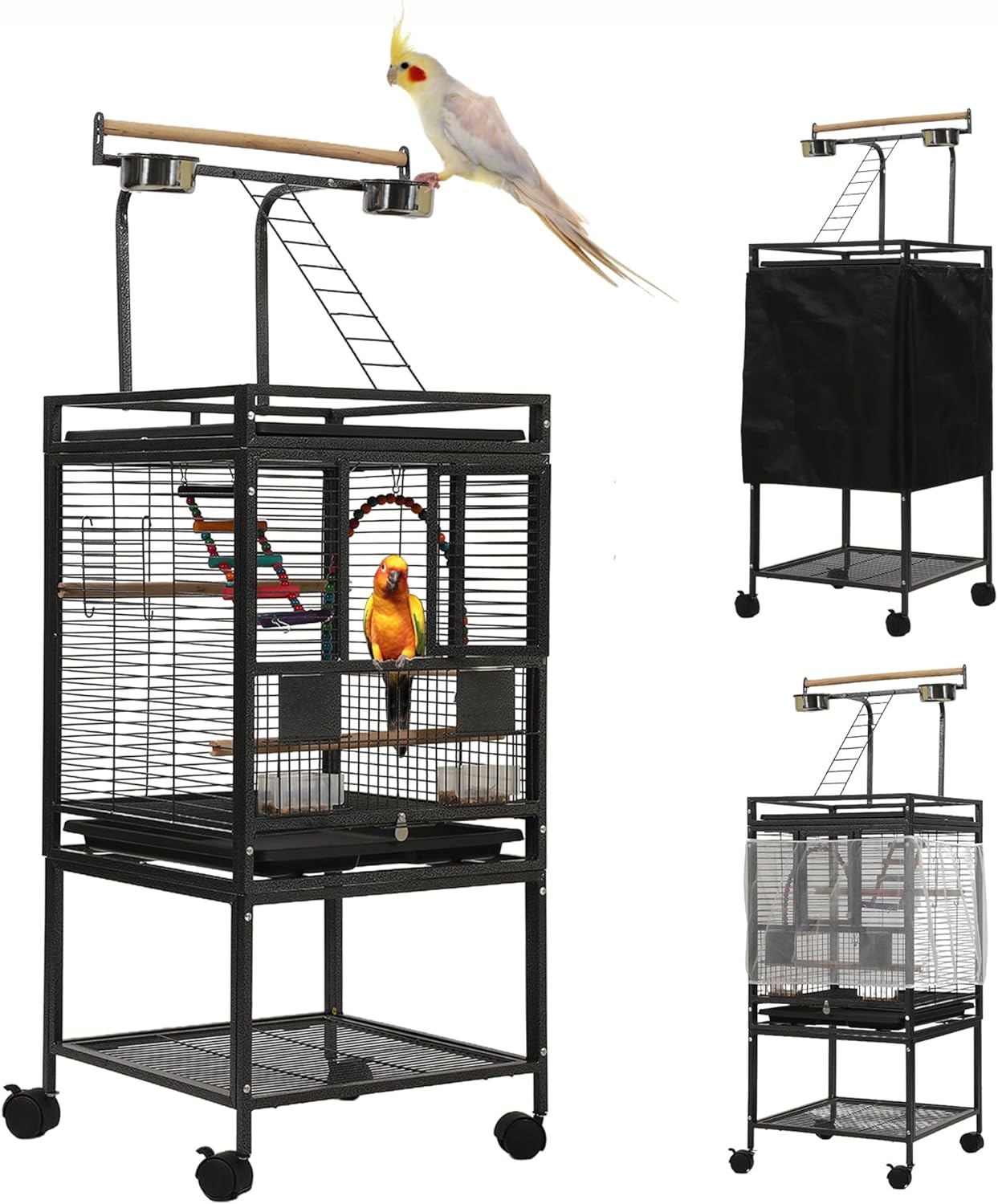
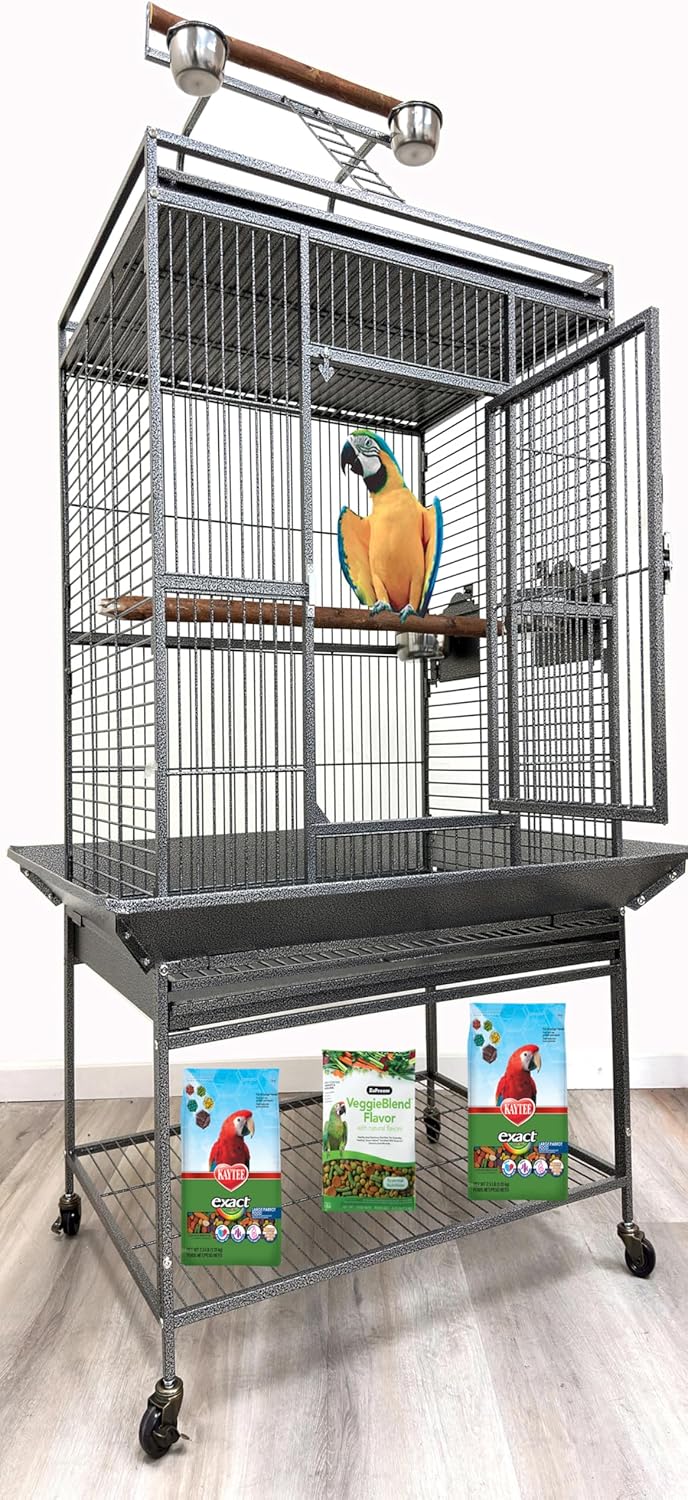
- Size: The cage should be large enough for your parrot to fully extend its wings and move around comfortably
- Bar spacing: Appropriate for your bird's size to prevent injury or escape
- Placement: In a social area of your home, away from drafts, direct sunlight, and kitchen fumes
- Accessories: Multiple perches of varying diameters, food and water dishes, and several toys
- Cleaning: Daily spot cleaning and weekly deep cleaning to maintain hygiene
Important
Never use cages with toxic materials or lead-based paints. Ensure all cage materials are bird-safe and non-toxic. If you're setting up a new habitat, consider our recommended bird cages and accessories.
Proper Parrot Nutrition
A balanced diet is crucial for your parrot's health and longevity. According to avian veterinarians, malnutrition is one of the most common health issues in companion parrots.
Components of a Healthy Parrot Diet
- High-quality pellets: Should make up 60-80% of the diet
- Fresh vegetables: Dark leafy greens, carrots, sweet potatoes, broccoli
- Fruits: In moderation due to high sugar content (berries, apples, melons)
- Healthy grains: Cooked quinoa, brown rice, whole grain pasta
- Limited seeds and nuts: As treats only, due to high fat content
- Clean water: Fresh water changed daily
Avoid feeding your parrot avocado, chocolate, caffeine, alcohol, and foods high in salt, sugar, or fat, as these can be toxic to birds.
Parrot Training and Socialization
Training is essential for building a positive relationship with your parrot and ensuring they are well-adjusted companions. Positive reinforcement techniques work best with these intelligent birds.
Step-Up Training
The "step-up" command is one of the most important behaviors to teach your parrot. It establishes you as a trusted leader and makes handling easier:
- Approach your parrot calmly with your finger or a perch
- Gently press against the lower chest just above the feet
- Say "step up" clearly as they step onto your finger
- Immediately reward with a small treat and praise
- Practice regularly in short, positive sessions
Speech Training
While not all parrots will talk, many species have the capacity to learn words and phrases:
- Start with simple, frequently used words
- Repeat words clearly and consistently
- Associate words with actions or objects
- Be patient - some parrots take months to speak their first word
- Never punish a parrot for not talking
Behavior Management
Understanding and managing parrot behavior is key to a harmonious relationship:
- Biting: Usually a sign of fear, territoriality, or hormonal behavior
- Screaming: Can indicate boredom, attention-seeking, or environmental stress
- Feather plucking: Often related to medical issues, stress, or environmental factors
- Hormonal behavior: Manage by controlling light exposure, diet, and petting only on the head
Training Tip
Always end training sessions on a positive note, even if it means going back to an easier behavior your parrot already knows. This keeps training enjoyable and strengthens your bond. For training tools and resources, check our bird training products.

Environmental Enrichment
Parrots are highly intelligent and need mental stimulation to prevent boredom and associated behavior problems. Environmental enrichment is essential for their psychological well-being.
Types of Enrichment
Foraging Opportunities
In the wild, parrots spend much of their day foraging for food. Provide foraging toys that require manipulation to access treats.
Toy Rotation
Regularly rotate toys to maintain novelty and interest. Have multiple sets of toys and swap them weekly.
Social Interaction
Parrots are social creatures that need daily interaction with their human flock. Include them in household activities when safe.
Training Sessions
Regular training sessions provide mental stimulation and strengthen your bond. Teach new tricks and behaviors.
Other enrichment ideas include providing natural branches for perching, offering safe materials for shredding, playing parrot-appropriate music or videos, and creating safe outdoor time in a protected area.
Parrot Health and Wellness
Regular health monitoring and preventive care are essential for keeping your parrot healthy. According to the Association of Avian Veterinarians, annual check-ups are recommended for all companion birds.
Signs of a Healthy Parrot
- Bright, clear eyes
- Clean, smooth feathers
- Active and alert behavior
- Good appetite
- Normal droppings (consistent in color and texture)
- Clear nostrils and clean beak
Common Health Issues
- Psittacosis (Parrot Fever): Bacterial infection that can transmit to humans
- Psittacine Beak and Feather Disease (PBFD): Viral disease affecting feathers and beak
- Aspergillosis: Fungal respiratory infection
- Nutritional deficiencies: Often related to seed-only diets
- Egg binding: In female birds unable to pass eggs
Important
Birds often hide signs of illness until they are seriously unwell. Any changes in behavior, appetite, or droppings warrant a veterinary visit. Establish a relationship with an avian veterinarian before emergencies occur.
Building a Strong Bond
Developing a strong bond with your parrot takes time, patience, and consistency. A trusting relationship is the foundation of successful parrot companionship.
Tips for Building Trust
- Respect your parrot's body language and boundaries
- Move slowly and predictably around your bird
- Use positive reinforcement rather than punishment
- Spend quality time together daily
- Learn to read your parrot's vocalizations and body language
- Be patient - trust building can take weeks or months
Understanding Parrot Body Language
- Relaxed posture: Feathers smooth, eyes normal or slightly pinning
- Excited/happy: Eyes pinning rapidly, feathers slightly fluffed
- Fearful: Body crouched, feathers tight to body, possible hissing
- Aggressive: Body erect, feathers fluffed, eyes pinned, beak open
- Content: Soft chattering, grinding beak, relaxed posture
Final Thought
Parrot companionship is a long-term commitment that requires dedication, but the rewards are immeasurable. These intelligent, emotional creatures can become cherished family members for decades when provided with proper care, respect, and love. Remember that every parrot is an individual with unique personality traits, so take time to learn your bird's specific preferences and communication style. For more resources, explore our complete blog or check out our parrot care products.