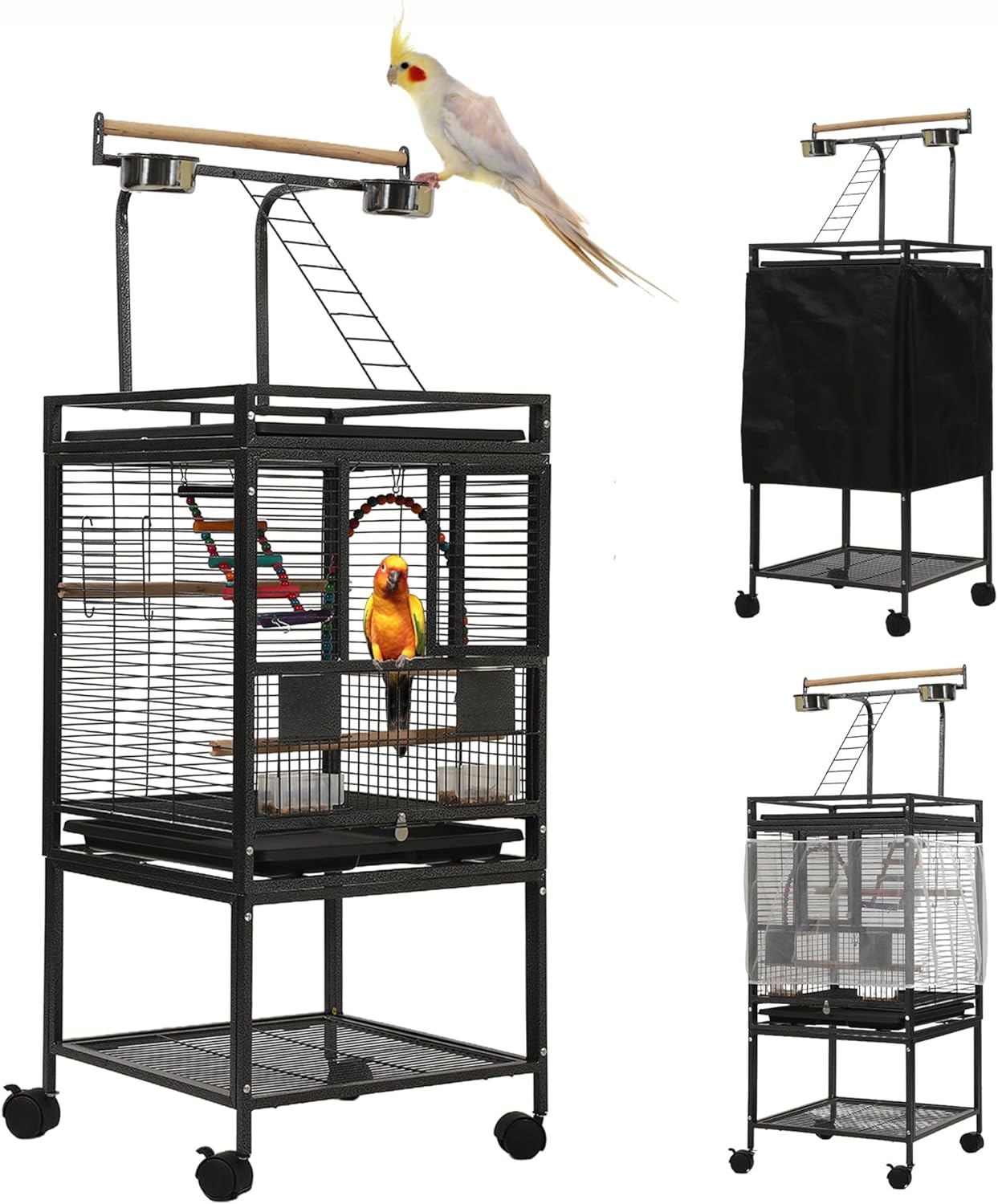
A parrot's cage is more than just a home it's their sanctuary, playground, and safe space. Choosing the right cage is one of the most important decisions you'll make for your feathered companion's health and happiness.
This comprehensive guide will help you understand everything you need to know about selecting, setting up, and maintaining the perfect parrot cage. For more information on parrot care, check out our complete guide to parrot care.
Table of Contents

Why the Right Cage Matters
Your parrot will spend a significant portion of their life in their cage, making it essential to provide an environment that supports their physical and psychological well-being. According to the American Veterinary Medical Association, proper housing is crucial for preventing behavioral and health issues in captive birds.
The Importance of Proper Housing
A well-chosen cage provides:
Safety and Security
Protects your parrot from household hazards, provides a safe retreat when frightened, and prevents escape.
Exercise Space
Allows for natural movements like climbing, stretching wings, and playing essential for physical health.
Mental Stimulation
Provides space for toys, foraging activities, and environmental enrichment to prevent boredom.
Territory and Comfort
Gives your parrot a sense of ownership and control over their personal space, reducing stress.
Pro Tip
Remember that a cage is your parrot's home, not a prison. Even with the perfect cage, your parrot should spend several hours outside the cage daily for exercise and socialization.
Choosing the Right Cage Size
Cage size is arguably the most important factor in cage selection. The general rule is to buy the largest cage you can afford and accommodate in your space. Research from applied animal behavior studies shows that adequate space reduces stress behaviors in captive parrots.

Minimum Cage Size Guidelines by Parrot Type
- Small Parrots (Budgies, Cockatiels, Lovebirds): Minimum 24"W x 24"D x 24"H - bar spacing 1/2" to 5/8"
- Medium Parrots (Conures, Quakers, Caiques): Minimum 30"W x 30"D x 36"H - bar spacing 5/8" to 3/4"
- Large Parrots (African Greys, Amazons, Small Cockatoos): Minimum 36"W x 36"D x 48"H - bar spacing 3/4" to 1"
- Extra Large Parrots (Macaws, Large Cockatoos): Minimum 48"W x 48"D x 60"H - bar spacing 1" to 1.5"
Important
These are minimum sizes larger is always better! Your parrot should be able to fully extend and flap their wings without touching the cage sides.
Bar Spacing and Safety
Bar spacing is critical for your parrot's safety. Bars spaced too widely can allow your parrot to escape or, worse, get their head stuck. The ASPCA provides excellent resources on bird safety and housing.
Bar Spacing Guidelines
- Small birds (finches, canaries): 1/4" to 1/2" spacing
- Budgies, parrotlets: 1/2" spacing
- Cockatiels, lovebirds: 1/2" to 5/8" spacing
- Conures, Quakers, small parrots: 5/8" to 3/4" spacing
- African Greys, Amazons, medium parrots: 3/4" to 1" spacing
- Macaws, cockatoos, large parrots: 1" to 1.5" spacing
Always test bar spacing before purchasing. If your parrot can push their head through the bars, the spacing is too wide.
Cage Materials and Durability
Parrot cages are typically made from various metals, each with advantages and disadvantages. The material affects durability, safety, and ease of cleaning.
Stainless Steel
Stainless steel is the gold standard for parrot cages durable, non-toxic, and easy to clean. While more expensive initially, these cages often last a lifetime.
- Pros: Extremely durable, non-toxic, rust-resistant, easy to clean
- Cons: Higher initial cost, heavier than other options
- Best for: All parrots, especially heavy chewers and long-term ownership
Powder-Coated Steel
Powder-coated cages are steel cages with a baked-on finish that provides a colorful, easy-to-clean surface.
- Pros: More affordable than stainless steel, wide variety of colors, relatively durable
- Cons: Coating can chip over time, potentially exposing bare metal that can rust
- Best for: Budget-conscious owners with light to moderate chewers
Wrought Iron
Traditional wrought iron cages are sturdy but require careful maintenance to prevent rust.
- Pros: Classic appearance, very sturdy construction
- Cons: Prone to rust if not properly maintained, heavier than modern alternatives
- Best for: Owners who prefer traditional aesthetics and can commit to regular maintenance
Safety Note
Avoid cages with zinc or lead components, as these metals are toxic to birds if ingested. Also be cautious of cages with decorative elements that might contain these metals.
Essential Cage Features
Beyond size and material, several features can significantly impact your parrot's quality of life and your convenience as an owner.
Multiple Access Doors
Look for cages with multiple doors, including a large main door for easy access and smaller service doors for food and water.
Removable Bottom Tray
A slide-out bottom tray makes cleaning much easier and less stressful for your bird.
Removable Grille
A grille between the bottom tray and main cage prevents your parrot from accessing dropped food and waste.
Locking Casters
Wheels make it easy to move the cage for cleaning or room changes, while locking mechanisms ensure stability.
External Feeders
Food and water cups that can be refilled from outside the cage minimize disturbance to your parrot.
Playtop
A flat or playtop surface on the cage provides additional out-of-cage space for your parrot to enjoy.
Setting Up Your Parrot's Cage
Proper cage setup is just as important as selecting the right cage. A well-arranged cage promotes natural behaviors and prevents problems.
Cage Placement
- Location: Place the cage in a family area where your parrot can observe household activities, but away from direct sunlight, drafts, and kitchen fumes
- Height: Position the cage so the highest perch is at or slightly below your eye level to establish appropriate hierarchy
- Security: Ensure at least one side of the cage is against a wall to provide a sense of security
- Accessibility: Make sure you can easily access all parts of the cage for cleaning and interaction
Essential Cage Furnishings

- Multiple perches: Provide various diameters and textures (natural wood, rope, cement) to exercise feet
- Food and water dishes: Place away from perches to prevent contamination
- Toys: Include destructible, foraging, and puzzle toys for mental stimulation
- Sleeping area: Consider a cozy corner or sleeping hut for smaller parrots
- Foraging opportunities: Hide treats in various locations to encourage natural foraging behavior
Maintenance and Cleaning
Regular cage maintenance is essential for your parrot's health. According to the CDC, proper cleaning helps prevent the spread of diseases from birds to humans.
Daily Maintenance
- Change water and food dishes
- Remove spoiled food and visible droppings
- Wipe down perches and toys as needed
- Spot clean cage bottom
Weekly Maintenance
- Remove and thoroughly wash all dishes, perches, and toys
- Replace cage liner/substrate
- Wipe down cage bars and surfaces
- Inspect for wear and damage to cage components
Monthly Maintenance
- Deep clean entire cage with bird-safe disinfectant
- Inspect for rust, sharp edges, or other hazards
- Rotate toys to maintain novelty
- Check locks and latches for proper function
Cleaning Tip
Use vinegar and water or specialized bird-safe cleaners rather than harsh chemicals. Always rinse thoroughly and allow to dry completely before returning your parrot to the cage. For more cleaning tips, check our cage cleaning guide.
Common Mistakes to Avoid
Even well-intentioned parrot owners can make mistakes when selecting and setting up cages. Being aware of these common pitfalls can help you provide the best environment for your feathered friend.
Choosing Too Small
The most common mistake is selecting a cage that's too small. Remember that your parrot needs space to move, play, and exercise even when confined.
Poor Placement
Placing the cage in a lonely corner, in direct sunlight, or in drafty areas can cause stress and health issues.
Incorrect Bar Spacing
Bar spacing that's too wide can lead to escapes or serious injury, while spacing that's too narrow can damage feathers.
Overcrowding with Toys
While toys are essential, too many can restrict movement. Balance is key provide enough space for your parrot to move freely.
Poor Perch Selection
Using only one type or diameter of perch can lead to foot problems. Variety is essential for foot health.
Inadequate Cleaning
Infrequent or improper cleaning can lead to bacterial growth and health issues. Establish and maintain a regular cleaning routine.
Final Thought
Investing in the right parrot cage is one of the most important decisions you'll make for your feathered companion. A proper cage supports physical health, mental well-being, and the development of a strong bond between you and your parrot. Remember that the cage is your parrot's home make it a safe, comfortable, and enriching environment they'll love spending time in. For more resources, explore our complete blog or check out our selection of quality parrot cages and accessories.