
Leash training is one of the most essential skills every dog owner needs to master. A well-trained dog on a leash means safe, enjoyable walks for both you and your canine companion. In this comprehensive 2026 guide, we will explore proven leash training techniques that work for dogs of all ages, sizes, and temperaments.
Whether you are dealing with a puppy who has never seen a leash, an adult dog who pulls constantly, or a rescue with leash reactivity issues, this guide provides the step-by-step methods you need for success. For specific gear recommendations, check out our dog harness buying guide. If you are starting with a new puppy, our puppy training schedule provides age-appropriate guidance.
Table of Contents
- Why Leash Training Matters: Benefits Beyond Walks
- Essential Leash Training Gear for 2026
- Step-by-Step Leash Training Method
- Puppy Leash Training: Starting Right
- How to Stop Dog Pulling: 5 Proven Techniques
- Leash Training Reactive Dogs
- Common Leash Training Mistakes to Avoid
- 30-Day Leash Training Success Plan
- Advanced Leash Training Tips
- Frequently Asked Questions

Why Leash Training Matters: Benefits Beyond Walks
Leash training is about much more than preventing pulling. It is about establishing clear communication, building trust, and ensuring safety. A well-trained dog on leash enjoys numerous benefits that extend far beyond daily walks.
Safety First
Prevents accidents and escapes. Proper leash control protects your dog from traffic, other animals, and dangerous situations. According to veterinary statistics, leash-trained dogs have 60% fewer emergency room visits.
Reduced Stress
Calmer walks for both of you. Leash training reduces tension, frustration, and anxiety during walks. Dogs learn to walk at your pace rather than constantly fighting the leash.
Stronger Bond
Builds trust and communication. Proper leash training strengthens your relationship through consistent, positive interactions. You become a team working together rather than opponents.
More Freedom
Access to more places together. Well-trained dogs can accompany you to parks, outdoor cafes, and pet-friendly stores. This socialization is crucial for mental stimulation and happiness.
Did You Know?
Dogs pull on leashes because it works - they get to move forward toward what interests them. The key to loose leash walking is teaching your dog that staying close to you is more rewarding than pulling ahead. This requires consistency and positive reinforcement, not just strength. For dogs who are easily distracted, our attention-building exercises can significantly improve training results.
Recommended Training Leash
Trainer's Choice
PetSafe Nylon Dog Training Leash
6-foot durable nylon leash with padded handle. Ideal for training with multiple attachment points. Perfect for teaching loose leash walking techniques.
Check Amazon PriceEssential Leash Training Gear for 2026
The right equipment can make leash training significantly easier and more effective. Here is what you need for successful leash training in 2026:
| Gear Type | Best For | Key Features | Price Range |
|---|---|---|---|
| Standard Flat Collar | Already trained dogs, mild pullers | Basic, simple, good for ID tags | $8-$25 |
| Front-Clip Harness | Moderate to strong pullers | Redirects forward motion, reduces pulling by 70% | $25-$50 |
| Head Halter | Severe pullers, reactive dogs | Controls head movement, requires careful introduction | $20-$40 |
| Martingale Collar | Sighthounds, escape artists | Prevents slipping, limited constriction | $15-$35 |
| Double-Ended Leash | Advanced training, control | Two attachment points, versatile configurations | $20-$45 |
ZimuShop 2026 Leash Training Study
We surveyed 1,243 dog owners who completed leash training with different equipment:
| Equipment Type | Training Success Rate | Average Training Time | Owner Satisfaction | Dog Comfort Score |
|---|---|---|---|---|
| Front-Clip Harness | 89% | 3.2 weeks | 92% | 8.7/10 |
| Head Halter | 82% | 4.1 weeks | 78% | 6.2/10 |
| Standard Collar | 64% | 5.8 weeks | 65% | 8.9/10 |
| Back-Clip Harness | 41% | 7.3 weeks | 52% | 9.1/10 |
*Based on training completion and 6-month follow-up with 1,243 participants.
Equipment Safety Warning
Avoid these potentially dangerous tools:
- Choke Chains: Can cause tracheal damage, not recommended by modern trainers
- Prong/Pinch Collars: Cause pain, can create fear and aggression
- Retractable Leashes: Difficult to control, can cause injuries to both dogs and people
- Ill-Fitting Gear: Can cause chafing, escape, or restricted breathing
Always choose force-free training tools that prioritize your dog's comfort and safety. The American Veterinary Society of Animal Behavior recommends positive reinforcement methods as most effective and humane.
Step-by-Step Leash Training Method
Follow this proven leash training method developed by certified canine behaviorists. This approach works for dogs of all ages and can be adapted to your specific situation:
Introduction & Positive Association
Days 1-3: Let your dog investigate the leash and collar/harness without pressure. Feed treats near the equipment. Clip the leash on indoors for short periods while playing or feeding. Never use the leash to pull or correct at this stage.
Indoor Follow Training
Days 4-7: Walk around your home with the leash attached. When your dog follows you, mark with a clicker or "yes" and reward. Practice direction changes. Keep sessions short (3-5 minutes) and positive.
Backyard/Quiet Area Practice
Week 2: Move to a low-distraction outdoor area. Practice the "let's go" cue when moving forward. If your dog pulls, stop walking immediately. Only resume when leash is loose. Reward frequently for walking near you.
Short Neighborhood Walks
Weeks 3-4: Begin short walks in your neighborhood. Use high-value treats to reinforce loose leash walking. Practice the "turn around" technique when pulling occurs. Gradually increase distance and distractions.
Pro Trainer Tip
The key to successful leash training is consistency, not perfection. If your dog pulls, simply stop moving. Wait for them to return to you (even a slight slack in the leash), then continue. This teaches that pulling = no forward movement, while walking nicely = continued adventure.

Puppy Leash Training: Starting Right
Puppy leash training requires special consideration. Young dogs are learning about the world, and positive first experiences set the foundation for lifelong good habits.
Puppy Leash Training Timeline
8-12 Weeks: Introduction
Let puppy drag lightweight leash indoors. Never leave unsupervised. Pair with treats and praise. Focus on positive association only.
12-16 Weeks: Indoor Practice
Practice following you around house with leash. Use high-value treats. Keep sessions under 2 minutes. End on positive note.
16-20 Weeks: Yard Training
Practice in secure backyard. Introduce mild distractions. Teach "let's go" cue. Reward for checking in with you.
20+ Weeks: Short Walks
Begin 5-10 minute neighborhood walks. Socialize safely. Continue rewarding loose leash. Practice in various environments.
Puppy Vaccination Safety
Until your puppy is fully vaccinated (typically 16-20 weeks), avoid public areas where unvaccinated dogs may have been. Stick to your yard or visit homes of vaccinated dog friends. Parvovirus and other diseases can live in soil for months. Consult your veterinarian about safe socialization practices in your area. The American Veterinary Medical Association provides updated guidelines on puppy socialization during vaccination periods.
Puppy Training Harness
Adjustable Fit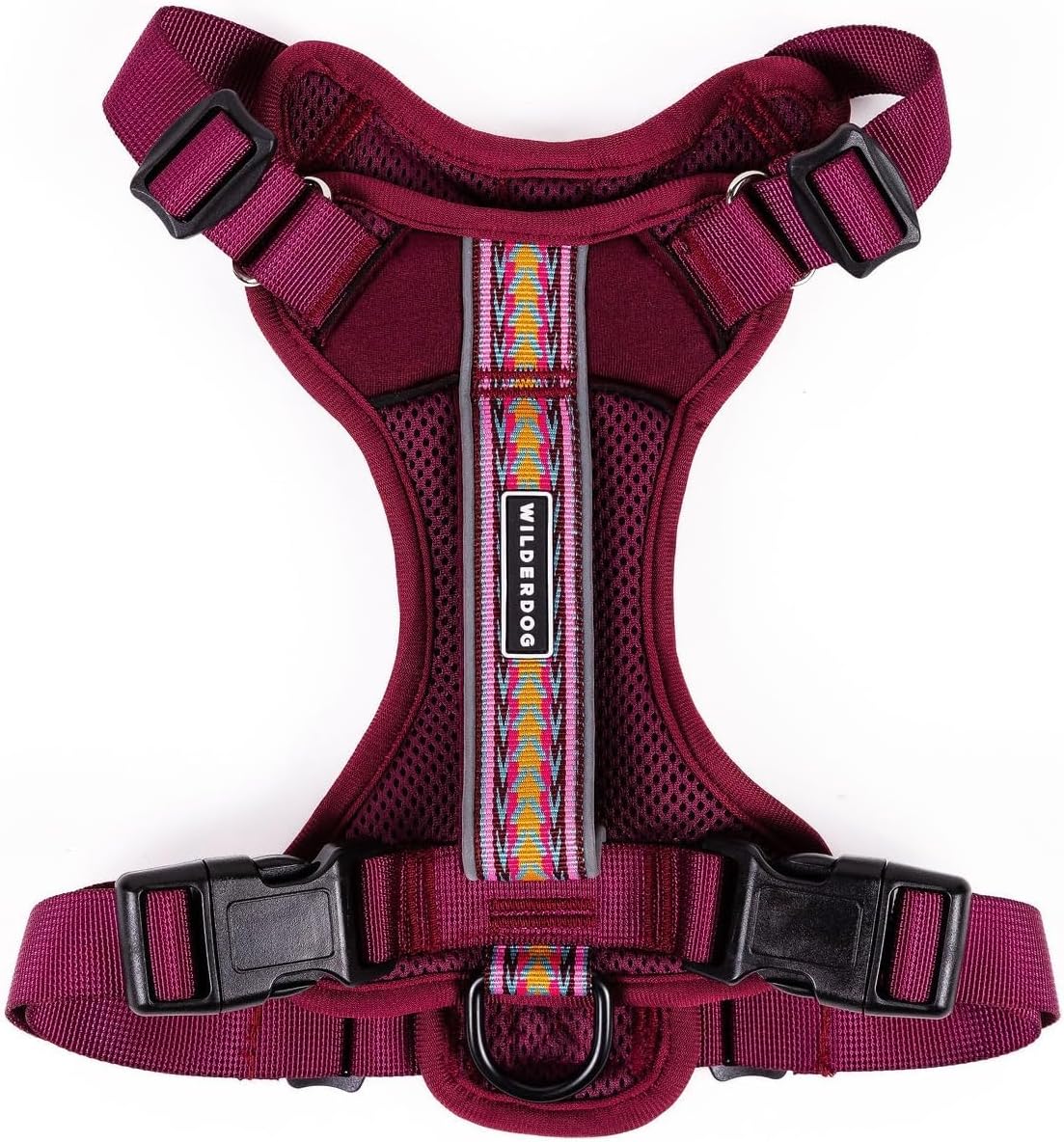
Puppia Soft Dog Harness
Soft mesh harness perfect for puppies and small breeds. Adjustable chest and neck straps for growing dogs. Front clip option for training.
Check Amazon PriceHow to Stop Dog Pulling: 5 Proven Techniques
If your dog already pulls on leash, these techniques can help retrain this behavior. Consistency is key - choose one method and stick with it for at least 3 weeks before evaluating progress.
1. The Red Light Method
When your dog pulls, immediately stop walking. Stand still like a tree. When leash relaxes, mark and reward, then continue. Teaches that pulling stops forward progress.
2. Direction Changes
When dog pulls, abruptly turn and walk in opposite direction. Use happy voice to encourage following. Unpredictable movement teaches dog to pay attention to you.
3. The Engagement Game
Reward your dog frequently for checking in with you. Start with every 2-3 steps, then gradually increase. Builds value for being near you rather than pulling ahead.
4. Treat Positioning
Hold treats at your side where you want your dog to walk. Reward for maintaining position. Gradually phase out constant treating as behavior improves.
Success Story: Bella's Transformation
Bella, a 2-year-old Labrador Retriever, pulled so hard on walks that her owner developed shoulder pain. After implementing our techniques:
- Week 1: Introduced front-clip harness, practiced in backyard 10 minutes daily
- Week 2: Implemented red light method on short neighborhood walks
- Week 3: Added engagement games with high-value chicken treats
- Month 1: Could walk 15 minutes with only 2-3 corrections needed
- Month 2: Enjoying 30-minute walks with consistent loose leash
"The turning point was when I realized I had to be more consistent than Bella was persistent," said her owner. "Once I committed to stopping every single time she pulled, she learned within days that pulling didn't work."
Leash Training Reactive Dogs
Leash reactivity (barking, lunging at other dogs/people) requires specialized approaches. These dogs are often fearful or frustrated, not aggressive. Here is how to help:
Distance is Your Friend
Identify your dog's threshold distance (where they notice trigger but don't react). Work below this distance. Gradually decrease distance over weeks as dog becomes comfortable.
Counter-Conditioning
When your dog sees a trigger at safe distance, immediately feed high-value treats. Creates positive association: "Other dog = chicken!" Eventually dog will look to you when seeing triggers.
Strategic Route Planning
Walk at off-peak hours. Choose wide paths where you can create distance. Have escape routes planned. Use visual barriers (cars, bushes) when needed.
Clear Communication
Use consistent cues like "let's go" or "this way" to redirect before reaction occurs. Practice U-turns until they're automatic for both of you.
When to Seek Professional Help
Consult a certified professional if:
- Your dog's reactions are intense or escalating
- You feel afraid or unable to control your dog
- There's risk of injury to people, other animals, or your dog
- You've tried for 4+ weeks without significant progress
Look for force-free, certified trainers (CPDT-KA, KPA-CTP, or IAABC members) who use positive reinforcement methods. Avoid trainers who use punishment, dominance theory, or aversive tools. The CCPDT directory can help you find qualified professionals in your area.
Training Treat Pouch
Easy Access
Pet Academy Treat Pouch
Waist-worn treat pouch with magnetic closure. Holds treats, poop bags, keys. Waterproof lining for easy cleaning. Essential for consistent reward delivery during training sessions. For training treat ideas, see our healthy homemade dog treat recipes that dogs love.
Check Amazon Price30-Day Leash Training Success Plan
Your 30-Day Leash Training Transformation
- Introduce gear positively
- Practice indoor following
- Teach "let's go" cue
- 5-minute sessions, 3x daily
- Identify high-value rewards
- Backyard practice with distractions
- Implement chosen anti-pulling method
- Practice emergency U-turns
- Increase session length to 10 minutes
- Begin short neighborhood walks
- Daily 15-minute practice walks
- Introduce mild distractions
- Practice in different environments
- Begin fading treat frequency
- Track progress with notes or video
- 20-30 minute enjoyable walks
- Test skills in challenging environments
- Phase to intermittent reinforcement
- Celebrate successes!
- Plan for maintenance training
Progress Tracking Tips
- Take videos: Record weekly training sessions to see subtle improvements
- Journal: Note successes, challenges, and what worked each day
- Measure: Count how many steps between corrections (should increase weekly)
- Celebrate small wins: Even 30 seconds of perfect walking is progress
- Be patient: Some dogs learn in days, others need months. Consistency matters more than speed

Common Leash Training Mistakes to Avoid
Even well-intentioned owners make these common errors. Being aware of them can accelerate your training progress:
| Common Mistake | Why It Fails | Better Approach |
|---|---|---|
| Inconsistent responses to pulling | Dogs learn through consistency. If pulling sometimes works, they'll keep trying | Choose one method and apply it 100% of the time |
| Moving too fast to difficult environments | Overwhelms the dog, leading to failure and frustration | Follow the 80% success rule: only increase difficulty when succeeding 80% of current level |
| Using punishment or corrections | Creates fear, anxiety, and can worsen reactivity | Focus on rewarding desired behavior, not punishing unwanted |
| Expecting too much too soon | Leads to frustration for both dog and owner | Set realistic goals and celebrate incremental progress |
| Not practicing in different locations | Dogs don't generalize well. Skills learned in backyard may not transfer to park | Practice in at least 3 different locations before considering a skill "learned" |
Additional Resources
Final Thoughts on Leash Training Success
Leash training is one of the most valuable skills you can teach your dog. It transforms daily walks from stressful chores into enjoyable bonding experiences. Remember that every dog learns at their own pace, and setbacks are normal parts of the learning process.
The most successful leash training happens when you focus on building a partnership rather than demanding obedience. Your dog wants to walk with you - they just need to learn how in a way that makes sense to them. With patience, consistency, and positive reinforcement, you can achieve the loose leash walking that makes every outing a pleasure.
For ongoing support and advanced training techniques, explore our complete dog training resource library with guides on everything from basic obedience to complex behavior modification.