
Choosing the right dog food is one of the most important decisions you'll make for your pet's health. With hundreds of dog food brands and formulas available, selecting the best dog food can feel overwhelming. This comprehensive 2026 dog food selection guide will teach you how to read labels, understand ingredients, match nutrition to your dog's specific needs, and make informed decisions for optimal canine health.
This guide covers everything from understanding dog food labels and decoding ingredient lists to choosing by life stage and addressing special dietary needs. For breed-specific recommendations, see our guides on small breed nutrition and Premium Dog Food for Optimal Health & Nutrition.
Table of Contents

5-Step Dog Food Decision Guide
Follow this systematic approach to choosing the right dog food for your specific pet. This dog food selection flowchart simplifies the decision-making process.
Assess Your Dog's Life Stage
Determine if your dog is a puppy, adult, or senior. Each stage has different nutritional requirements. Puppies need more protein and calories for growth, while seniors benefit from joint support and fewer calories.
Consider Size and Breed
Small breed dogs need smaller kibble and higher calorie density. Large breed dogs require specific calcium/phosphorus ratios for joint health. Giant breeds need controlled growth formulas.
Evaluate Activity Level
Active working dogs need high-protein, high-fat diets. Sedentary dogs require fewer calories to prevent weight gain. Athletic dogs benefit from performance formulas.
Identify Special Needs
Does your dog have food allergies, sensitive digestion, weight issues, or medical conditions? These require specialized formulas. Consult your veterinarian for diagnosis.
Choose Food Type
Decide between dry kibble, wet food, raw diets, or fresh prepared meals based on your dog's preferences, your budget, and lifestyle considerations.
Quick Selection Tip
Start with an AAFCO-compliant dog food appropriate for your dog's life stage. Look for named animal protein as the first ingredient (like "chicken" not "meat"). Avoid foods with artificial colors, flavors, or preservatives (BHA, BHT, ethoxyquin). Resources from aafco.org provide nutritional adequacy standards.
Top Rated All Life Stages Food
Vet Recommended
Royal Canin Adult Dry Dog Food - Complete Nutrition for Adult Dogs
Best for: Adult dogs 1-7 years. Balanced nutrition with precise nutrient ratios for optimal health.
Key benefits: High-quality protein, balanced fiber for digestion, antioxidants for immune support, tailored kibble design.
Check Amazon PriceHow to Read Dog Food Labels Like a Pro
Understanding dog food labels is essential for making informed choices. The FDA regulates pet food labeling (fda.gov), but knowing what to look for helps you select higher quality options.
Product Name Rules
The "95% rule": If named ingredient comprises 95% of product (e.g., "Chicken Dog Food"), it must contain at least 95% of that ingredient. The "25% rule": "Dinner," "Platter," or "Entree" indicates at least 25% of named ingredient.
Ingredient List Order
Ingredients are listed by weight before processing. Look for named animal protein first ("chicken," "salmon"). Avoid generic terms like "meat meal" or "animal fat."
Guaranteed Analysis
Shows minimum percentages of crude protein and fat, maximum percentages of fiber and moisture. Compare on a dry matter basis by subtracting moisture percentage.
AAFCO Statement
Look for "complete and balanced" statement indicating the food meets AAFCO nutrient profiles. Should specify life stage (growth, adult maintenance, all life stages).
Decoding Marketing Terms
Dog food marketing claims can be misleading. Here's what common terms really mean:
Common Label Claims Explained
- "Natural": No synthetic ingredients (colors, flavors, preservatives)
- "Organic": Must meet USDA organic standards (rare in pet food)
- "Holistic": No legal definition; marketing term only
- "Human-grade": All ingredients suitable for human consumption
- "Grain-free": Contains no corn, wheat, rice, barley, etc.
- "Limited ingredient": Fewer components, often for allergy management
- "No by-products": Excludes organ meats and non-muscle tissues
Premium Natural Formula
No Artificial Additives
Wellness Complete Health Natural Dry Dog Food - Adult Chicken & Oatmeal Recipe
Natural dog food: No artificial colors, flavors, or preservatives. Deboned chicken first ingredient with whole grains and antioxidants.
Label transparency: Clear ingredient sourcing, AAFCO-compliant for adult maintenance, manufactured in USA facilities.
Check Amazon PriceUnderstanding Dog Food Ingredients
Knowing what's in your dog's food helps you make better nutritional choices. Here's a breakdown of common dog food ingredients and their purposes.
Protein Sources Explained
High-quality protein is essential for dogs. Sources vary in digestibility and nutritional value.
| Protein Source | Quality Indicators | Best For | Considerations |
|---|---|---|---|
| Named Meat (Chicken, Beef, Lamb) | Whole meat before processing | All dogs, especially growing puppies | Highest quality, most expensive |
| Named Meat Meal (Chicken Meal) | Concentrated protein without moisture | All life stages | More protein per pound than whole meat |
| Fish (Salmon, Whitefish) | Omega-3 fatty acids for skin/coat | Dogs with allergies or skin issues | May contain higher mercury levels |
| Plant Proteins (Pea, Potato) | Vegetarian options, often in grain-free | Dogs with meat allergies | Less complete amino acid profile |
| By-Products | Organ meats, feet, beaks | Budget formulas | Nutrient-dense but variable quality |
Carbohydrates and Fillers
While dogs don't require carbohydrates, they provide energy and fiber. The quality of carbohydrates matters more than presence.
Quality Carbohydrates
Whole grains (brown rice, oatmeal, barley) provide energy, fiber, and nutrients. Vegetables (sweet potatoes, peas, carrots) offer vitamins and fiber. These are digestible carbohydrates with nutritional benefits.
Lower Quality Fillers
Corn gluten meal, wheat middlings, soybean hulls provide cheap calories with minimal nutrition. These fillers in dog food can cause allergies and digestive issues in sensitive dogs.

Life Stage Nutrition Requirements
Dog nutritional needs change throughout their lives. Feeding age-appropriate dog food ensures optimal health at each stage.
Puppy Food (0-12 months)
Higher protein (28-32%) and fat (18-22%) for growth. Balanced calcium/phosphorus for bone development. Smaller kibble for tiny mouths. Feed 3-4 times daily.
Adult Food (1-7 years)
Maintenance nutrition with balanced protein (18-25%) and fat (10-15%). Supports active adult dogs. Prevents weight gain in less active dogs. Feed 1-2 times daily.
Senior Food (7+ years)
Lower calories to prevent weight gain. Added joint support (glucosamine, chondroitin). Higher fiber for digestion. Softer kibble for dental issues. May need more frequent, smaller meals.
All Life Stages Food
Meets requirements for all ages, including growth. Convenient for multi-dog households. Usually higher in protein/fat than needed for seniors. Check with vet for large breed puppies.
Large Breed Puppy Warning
Large and giant breed puppies need special formulas with controlled calcium (0.8-1.2%) and phosphorus ratios to prevent rapid growth and skeletal issues. Regular puppy food can cause developmental orthopedic disease in large breeds. Resources from acvim.org provide breed-specific guidelines.
Best Large Breed Puppy Food
Growth Control Formula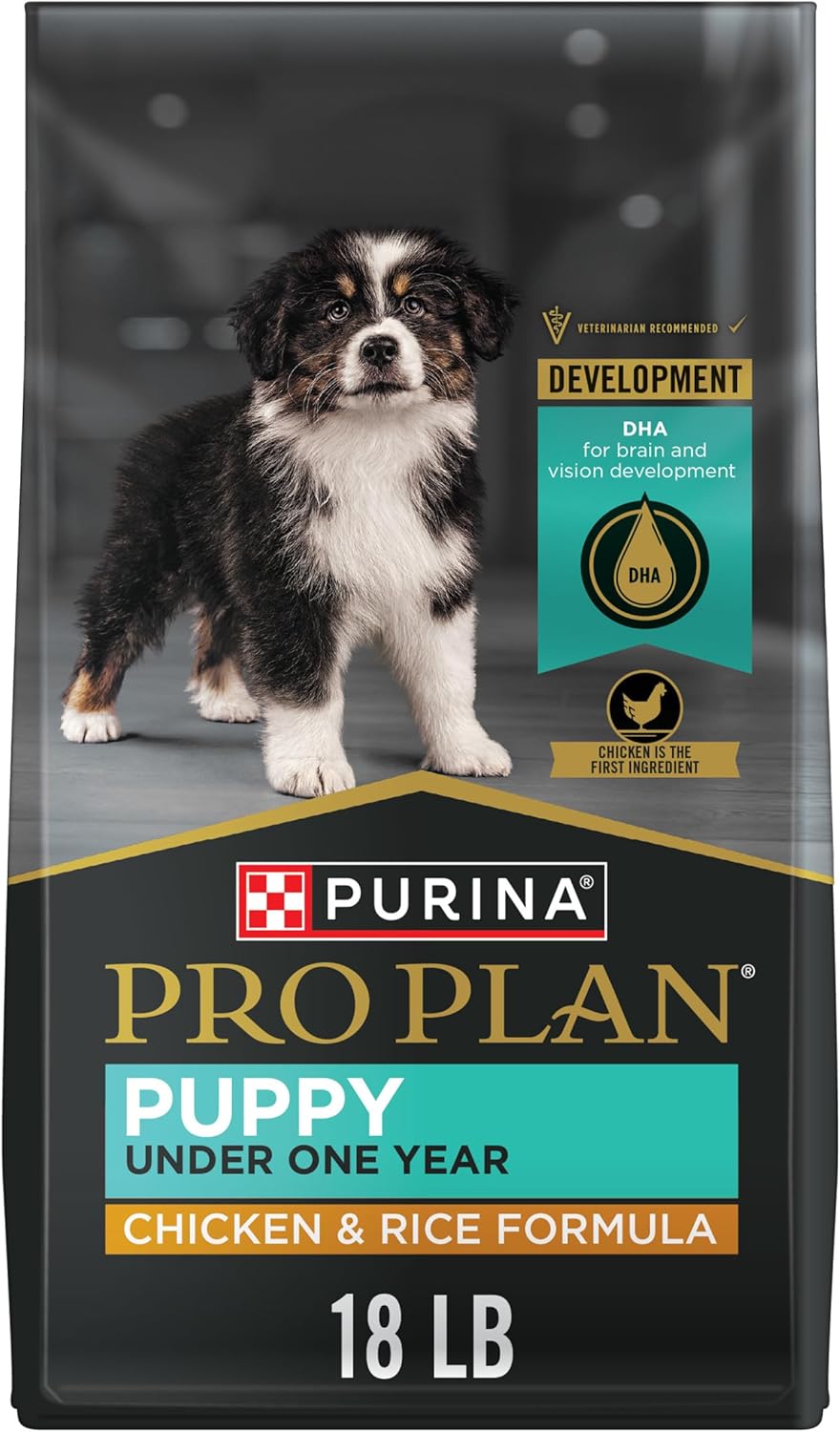
Purina Pro Plan Large Breed Puppy Food - Chicken & Rice Formula
Specifically for large breeds: Controlled calcium (1.0%) and phosphorus for proper bone development. DHA for brain and vision development.
Large breed benefits: Optimal protein (28%) and fat (12%) ratios, glucosamine for joint health, antioxidant blend for immune support.
Check Amazon PriceTypes of Dog Food Compared
Understanding different dog food formats helps you choose what's best for your dog and lifestyle.
| Food Type | Pros | Cons | Best For | Cost |
|---|---|---|---|---|
| Dry Kibble | Convenient, economical, dental benefits, long shelf life | Lower moisture, may contain more carbohydrates | Most dogs, multi-dog households, budget-conscious | $ |
| Wet/Canned Food | Higher moisture, palatable, easier to eat | More expensive, shorter shelf life once opened | Senior dogs, picky eaters, dogs needing hydration | $$ |
| Raw/Frozen Food | Minimally processed, high protein, natural enzymes | Bacterial risk, expensive, time-consuming | Dogs with allergies, owners preferring natural diets | $$$ |
| Freeze-Dried/Dehydrated | Lightweight, retains nutrients, easy storage | Requires rehydration, expensive | Travel, camping, dogs needing variety | $$$ |
| Fresh Prepared | Human-grade ingredients, customized, high quality | Very expensive, short shelf life, subscription required | Dogs with health issues, owners prioritizing premium | $$$$ |
Mixing Food Types
Many owners combine dry and wet dog food for balanced benefits. A 75% kibble to 25% wet food ratio provides dental benefits from kibble with enhanced palatability and moisture from wet food. This mixed feeding approach can benefit picky eaters and senior dogs. Always adjust total calories to prevent weight gain.
Special Dietary Needs
Some dogs require specialized dog food formulas for health conditions or sensitivities.
Food Allergies
Limited ingredient diets with novel proteins (duck, venison, kangaroo) or hydrolyzed proteins. Grain-free options for grain allergies (though true grain allergies are rare).
Weight Management
Low-calorie formulas with higher fiber for satiety. L-Carnitine to support metabolism. Reduced fat content while maintaining protein.
Joint Health
Added glucosamine and chondroitin. Omega-3 fatty acids (EPA/DHA) for inflammation control. Controlled calories to reduce joint stress.
Dental Health
Special kibble design to reduce plaque. Added dental enzymes. Texture that encourages chewing. VOHC-approved products (vohc.org).
Grain-Free and DCM Warning
The FDA has investigated potential links between grain-free diets and dilated cardiomyopathy (DCM) in dogs. Unless your dog has a confirmed grain allergy diagnosed by a veterinarian, grain-inclusive diets with high-quality animal protein are generally recommended. Consult your vet before choosing grain-free options.
Transitioning to New Food
Always transition gradually to new dog food over 7-10 days to prevent digestive upset.
25% New Food, 75% Old Food
Mix 1 part new food with 3 parts old food. Monitor stool consistency and appetite.
50% New Food, 50% Old Food
Equal mix of old and new. Watch for any signs of digestive discomfort or refusal.
75% New Food, 25% Old Food
Three parts new to one part old. Evaluate energy levels and overall condition.
100% New Food
Complete transition. Continue monitoring for several weeks and adjust portions as needed.
When to Consult Your Vet
Always work with your veterinarian when: changing diets for puppies, seniors, or dogs with health conditions; managing food allergies or intolerances; addressing weight issues; or if your dog experiences vomiting, diarrhea, or refusal to eat during transition. Resources from avma.org provide professional guidance.
Best Dog Food for Popular Dog Names & Breeds
Finding the perfect food for your furry friend just got easier! We've paired some of the most beloved dog names with breeds they're commonly associated with, and matched them to top-rated dog foods. Whether your pup is a playful Labrador named Max or a graceful Golden named Bella, these personalized recommendations will help you make an excellent choice.

- ✓ High protein for active dogs
- ✓ Glucosamine for joints
- ✓ DHA for brain development
- ✗ Contains grains (not grain-free)
- ✗ Price higher than some brands

- ✓ Breed-specific kibble shape
- ✓ Supports heart & coat health
- ✓ Precise nutrient ratios
- ✗ Premium price
- ✗ Not suitable for other breeds

- ✓ Small kibble for tiny mouths
- ✓ No artificial additives
- ✓ Balanced for sensitive tummies
- ✗ Contains grains
- ✗ Some dogs may need grain-free


- ✓ Real chicken first ingredient
- ✓ LifeSource Bits for immunity
- ✓ Contains no by-products
- ✗ Higher carbohydrate content
- ✗ Some reports of picky eaters


- ✓ Supports joint health
- ✓ High-quality protein
- ✓ Clinically proven antioxidants
- ✗ Contains grains (corn, wheat)
- ✗ Pricey for large bags


- ✓ Special kibble for brachycephalic dogs
- ✓ Reduces gas and stool odor
- ✓ Supports skin health
- ✗ Expensive
- ✗ Only for French Bulldogs
These are example recommendations. Always consider your individual dog's age, weight, and health status when choosing food. For more personalized advice, consult your veterinarian.
Final Selection Checklist
Before purchasing dog food, verify: AAFCO statement for appropriate life stage; named animal protein as first ingredient; appropriate protein/fat levels for your dog's needs; no artificial additives; manufacturer contact information; expiration date; and positive customer reviews. Remember that the best dog food is one that your dog thrives on, meets their nutritional needs, and fits your budget.