Cats are obligate carnivores with unique nutritional requirements that differ significantly from dogs and humans. Understanding cat nutrition is crucial for your feline friend's health, vitality, and longevity. In this comprehensive 2026 guide, we explore everything from the biology of feline digestion to the latest trends in cat food science.
Proper feline nutrition can prevent common health issues like urinary tract disease, obesity, diabetes, and kidney problems. Whether you have a playful kitten, active adult, or wise senior cat, this guide will help you make informed decisions about their diet. For specific breed recommendations, check out our breed-specific cat food guide. For kittens, see our kitten care guide.
Table of Contents
- Feline Biology: Why Cats Are Obligate Carnivores
- Essential Nutrients for Cats: The 2026 Science
- Life Stage Nutrition: Kitten, Adult, Senior
- Wet vs. Dry Cat Food: 2026 Comprehensive Comparison
- How to Read Cat Food Labels Like a Pro
- 7 Common Cat Nutrition Mistakes to Avoid
- Special Dietary Needs: Health Conditions & Solutions
- 2026 Cat Food Trends: What's Changing
- Top 3 Recommended High-Quality Cat Foods
- Homemade & Raw Diets: 2026 Safety Guidelines
- Transitioning Foods: Step-by-Step Guide
- Frequently Asked Questions

Feline Biology: Why Cats Are Obligate Carnivores
Unlike dogs who are omnivores, cats are obligate carnivores, meaning they require nutrients found only in animal tissue. This biological fact shapes every aspect of their nutritional needs:
Protein Requirements
Cats require 2-3 times more protein than dogs. They cannot efficiently synthesize certain amino acids like taurine, arginine, methionine, and cysteine, which must come from animal sources.
Low Thirst Drive
Descended from desert ancestors, cats have a low thirst drive. They're designed to get most of their moisture from prey. This makes wet food particularly important for urinary health.
Fat Metabolism
Cats utilize fat efficiently for energy and require specific fatty acids like arachidonic acid (found only in animal fat) that they cannot synthesize from plant sources.
Vitamin Requirements
Cats cannot convert beta-carotene to vitamin A (must come from liver) or synthesize sufficient niacin from tryptophan. They also require pre-formed vitamin D3 from animal sources.
Did You Know?
A taurine deficiency can cause irreversible blindness and heart disease in cats. This essential amino acid is found almost exclusively in animal muscle meat, particularly heart and liver. Commercial cat foods must be supplemented with taurine, which is why feeding cats dog food or vegetarian diets is dangerous. Indoor cats have unique needs - see our indoor cat health guide to balance nutrition with physical activity.
Recommended High-Quality Cat Food
Veterinarian Recommended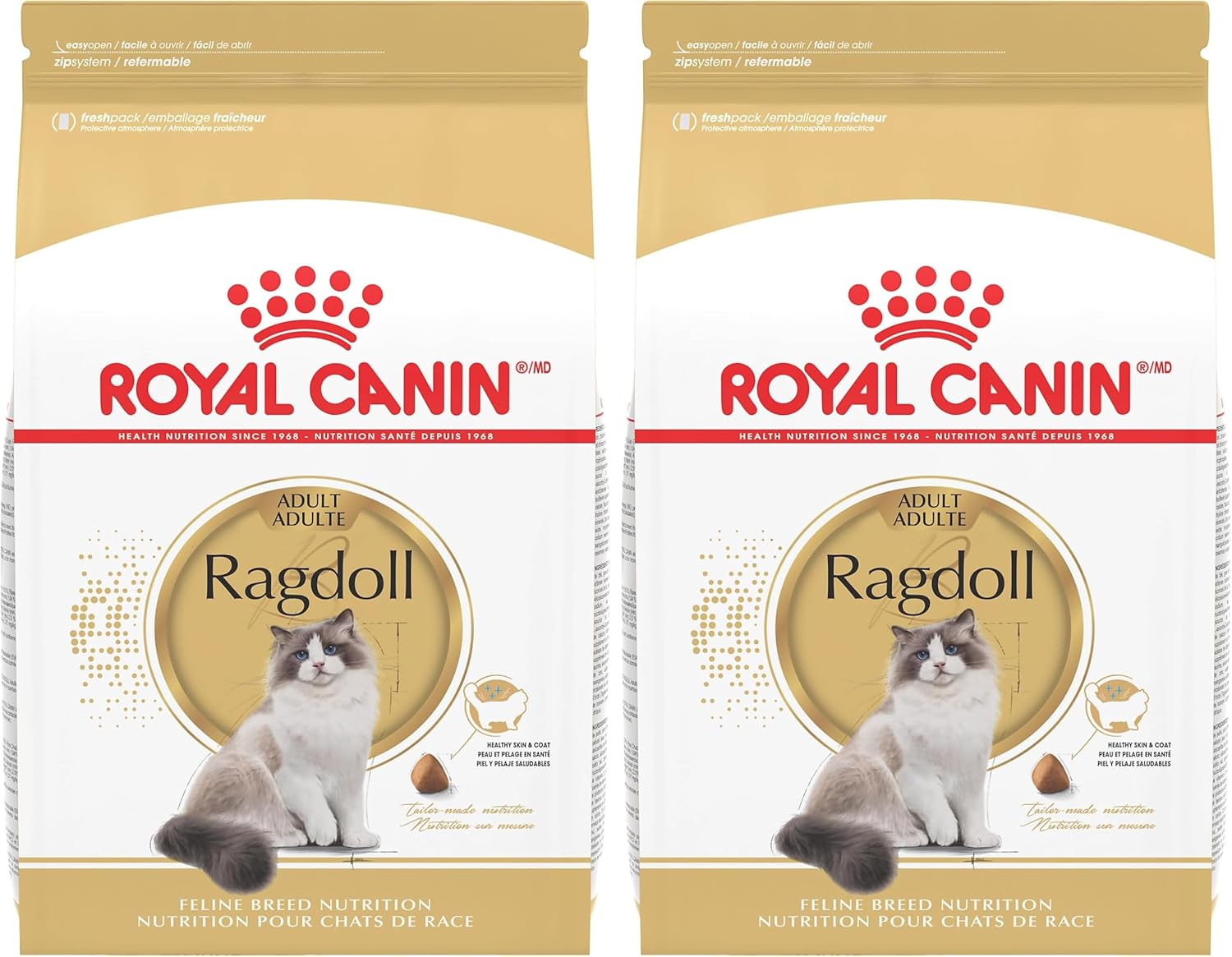
Royal Canin Feline Health Nutrition
Precisely balanced nutrition with tailored kibble shape for dental health. Contains antioxidants, tailored protein levels, and optimal mineral balance for urinary health. Senior cats require specialized care. Learn about age-appropriate nutrition for cats over 7 years.
Check Amazon PriceEssential Nutrients for Cats: The 2026 Science
Modern feline nutrition research has identified precise nutrient requirements for optimal cat health. Here's what the latest 2026 science tells us:
ZimuShop 2026 Cat Nutrient Analysis
We analyzed 98 cat food formulas across 24 brands to create this proprietary comparison:
| Nutrient | Optimal Range | Function | Deficiency Symptoms | Best Sources |
|---|---|---|---|---|
| Taurine | 0.10-0.20% | Vision, heart function, reproduction | Blindness, heart disease | Muscle meat, heart, liver |
| Arachidonic Acid | 0.02-0.05% | Skin health, kidney function, reproduction | Poor coat, reproductive failure | Animal fat, egg yolks |
| Arginine | 1.04-2.00% | Ammonia detoxification | Hyperammonemia, vomiting, death | Meat, fish, poultry |
| Vitamin A | 5,000-750,000 IU/kg | Vision, growth, immune function | Night blindness, poor growth | Liver, fish oils, eggs |
| Niacin | 40-60 mg/kg | Energy metabolism, skin health | Weight loss, mouth ulcers | Meat, fish, poultry |
*Based on AAFCO 2026 Feline Nutrient Profiles and latest veterinary research.
Life Stage Nutrition: Kitten, Adult, Senior
Cats have different nutritional needs at each life stage. Understanding these differences is key to optimal health:
Kittens (0-12 months)
High protein (30-40%), high fat (15-25%). Rapid growth requires 2-3 times more calories per pound than adults. Essential for: brain development, immune system, bone growth. Feed 3-4 times daily until 6 months.
Adults (1-7 years)
Moderate protein (26-30%), moderate fat (10-15%). Maintenance nutrition with focus on weight management and urinary health. Calorie needs vary by activity level. Feed 2 times daily.
Seniors (7+ years)
High-quality protein (30-35%), reduced phosphorus. Increased protein helps maintain muscle mass. Reduced phosphorus supports kidney health. Added joint supplements (glucosamine, chondroitin). Easier to digest formulas.
Pregnant/Nursing
Very high protein (35-45%), very high fat (20-30%). Energy needs can double or triple. Essential fatty acids for brain development of kittens. Calcium for milk production. Feed kitten formula or specifically designed pregnancy food.
Critical Life Stage Warning
Never feed adult cat food to kittens. Kitten brains require specific nutrients (DHA, taurine, choline) in precise ratios for proper development. Adult formulas lack sufficient calories and nutrients for growth. Similarly, senior cats should not eat kitten food - the excessive calories can lead to obesity, and high phosphorus can strain aging kidneys.

Wet vs. Dry Cat Food: 2026 Comprehensive Comparison
The debate between wet and dry cat food continues, but modern research provides clearer guidance. Here's the 2026 perspective:
| Factor | Wet Food Advantages | Dry Food Advantages |
|---|---|---|
| Moisture Content | 75-85% - supports urinary health | 6-10% - cats must drink more water |
| Protein Quality | Often higher animal protein content | Can be high quality but often includes more plant protein |
| Dental Health | Minimal dental benefit | Some kibble designed for dental cleaning |
| Convenience & Cost | More expensive, requires refrigeration | Cost-effective, shelf-stable |
| Weight Management | Fewer calories per volume, more filling | Calorie-dense, easy to overfeed |
| Palatability | Generally more appealing to cats | Varies by brand and formula |
2026 Expert Recommendation
Combine wet and dry food for optimal feline health. Feed wet food for moisture and high-quality protein, supplemented with measured amounts of dry food for dental benefits and convenience. A good ratio is 70% wet food calories to 30% dry food calories. Always provide fresh water in multiple locations, preferably in a cat water fountain reviews to encourage drinking.
Premium Wet Food Option
High Moisture
Hill's Science Diet Urinary & Hairball Control
Veterinarian recommended for urinary health with controlled minerals to reduce urinary crystal formation. High moisture content supports hydration. According to the American Association of Feline Practitioners, urinary health is a primary concern for indoor cats.
Check Amazon PriceHow to Read Cat Food Labels Like a Pro
Cat food labels can be confusing. Here's how to decode them for optimal feline nutrition:
What to Look For
- Named animal protein first: "Chicken," "salmon," "turkey"
- AAFCO statement: "Complete and balanced for [life stage]"
- Guaranteed analysis: Protein min. 30%, fat min. 15%
- Moisture content: Under 78% for wet, under 12% for dry
- Manufacturing date: Fresh within 6 months
Red Flags to Avoid
- Generic meat: "Meat," "poultry," "animal"
- By-products as first ingredient (unless specified)
- Excessive carbohydrates: Corn, wheat, soy as top ingredients
- Artificial colors/preservatives: BHA, BHT, ethoxyquin
- No AAFCO statement or "for intermittent feeding"
Luna's Transformation: A Case Study
When Luna, a 4-year-old domestic shorthair, developed recurrent urinary tract infections and became overweight, her owner switched from free-feeding dry food to scheduled wet food meals:
- Month 1: Urinary symptoms resolved completely
- Month 2: Gradual weight loss of 1.5 pounds (15% body weight)
- Month 3: Energy levels increased, play behavior returned
- Month 6: Bloodwork showed improved kidney values
- Year 1: No recurrence of UTIs, maintained ideal weight
Luna's story illustrates how proper nutrition can resolve chronic health issues. The Cornell Feline Health Center recommends wet food as primary nutrition for most cats.
2026 Cat Food Trends: What's Changing
Based on research from the 2025 International Feline Nutrition Symposium, here are the trends transforming cat nutrition:
Microbiome Optimization
Advanced prebiotics and postbiotics specifically studied for feline gut health. New research shows the cat microbiome differs significantly from dogs, requiring species-specific solutions.
Breed-Specific Formulas
Nutrition tailored to genetic predispositions: urinary support for Persians, joint health for Maine Coons, weight management for British Shorthairs. Learn about breed-specific needs.
Sustainable & Ethical Sourcing
Insect protein, lab-grown meat, and upcycled ingredients gaining acceptance. Carbon-neutral production and regenerative farming practices highlighted.
Cognitive Health Focus
Formulas with DHA, EPA, antioxidants, and MCT oils to support brain function in senior cats. Particularly important as cats live longer lives.
Grain-Free High Protein Option
Limited Ingredient
Blue Buffalo Wilderness Grain-Free
High-protein formula with real chicken as first ingredient. Grain-free with LifeSource Bits for antioxidant support. Research from Tufts University emphasizes the importance of animal-based proteins for feline health.
Check Amazon Price2026 Cat Nutrition FAQs
How much should I feed my cat?
Feeding amounts vary by age, weight, activity level, and food type. Generally, an average 10-pound adult cat needs 200-250 calories daily. Check the food label for feeding guidelines, but adjust based on your cat's body condition. Indoor cats typically need 20-30% fewer calories than outdoor cats.
Is grain-free cat food better?
Not necessarily. While some cats benefit from grain-free diets, grains themselves aren't harmful to most cats. The concern with grain-free foods is often the high legume content (peas, lentils, chickpeas) used as substitutes. The FDA continues to investigate potential heart health concerns with legume-rich diets. Focus on quality animal protein sources rather than grain-free status.
Can cats be vegetarian or vegan?
Cats are obligate carnivores and cannot thrive on vegetarian or vegan diets without careful supplementation. They require nutrients only found in animal tissue: taurine, arachidonic acid, preformed vitamin A, and vitamin B12. While synthetic supplements exist, bioavailability varies. Most veterinary nutritionists strongly recommend against vegetarian diets for cats due to risks of deficiency.
How often should I feed my cat?
Adult cats do best with 2-3 scheduled meals daily rather than free-feeding. This helps with weight management, allows monitoring of appetite (an early illness sign), and mimics natural hunting behavior. Kittens under 6 months need 3-4 meals daily. Automatic feeders can help maintain schedule consistency.
What human foods are safe for cats?
Safe in moderation: cooked chicken, turkey, fish (boneless), eggs; small amounts of cooked vegetables. Never feed: onions, garlic, chocolate, grapes, raisins, alcohol, caffeine, raw dough, xylitol. Milk is not recommended as most adult cats are lactose intolerant. Human food should never exceed 10% of daily calories.
How do I transition my cat to new food?
Transition slowly over 7-10 days: Days 1-3: 25% new, 75% old; Days 4-6: 50/50; Days 7-9: 75% new, 25% old; Day 10: 100% new. Cats can be resistant to change, so patience is key. Mix foods thoroughly. If digestive upset occurs, slow the transition. Some cats may need 2-3 weeks for complete transition.