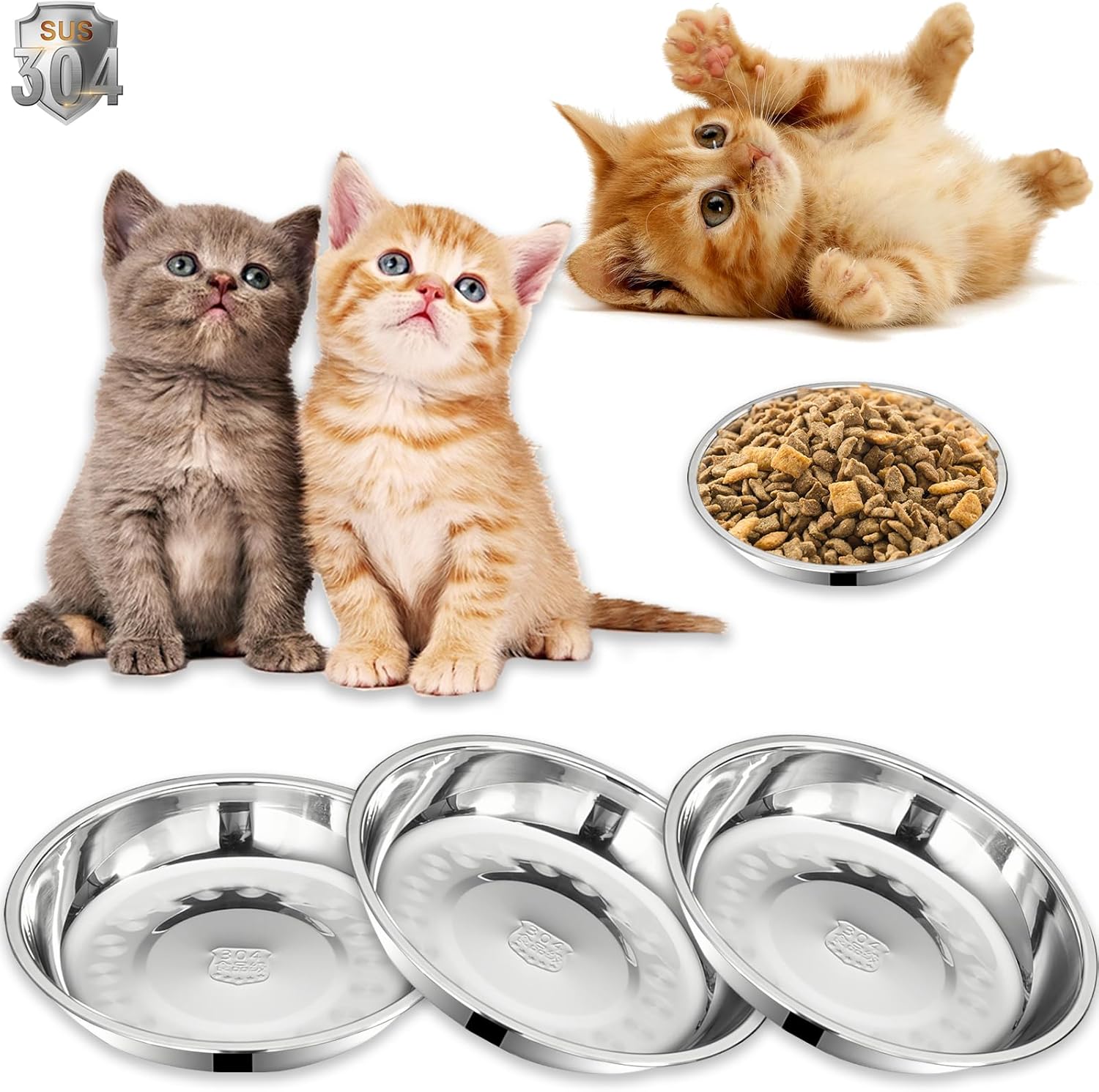
Proper hydration is essential for your cat's health, yet many cat owners struggle to ensure their feline friends drink enough water. Cats have unique drinking behaviors and hydration needs that differ from other pets.
This comprehensive guide will help you understand your cat's drinking habits, recognize signs of dehydration, and learn practical strategies to encourage proper hydration. We'll also explore the connection between water intake and common health issues like urinary tract health.
Table of Contents

Understanding Cat Drinking Behavior
Cats have evolved as desert animals, which explains many of their unique drinking behaviors. Unlike dogs, cats don't have a strong thirst drive and may not drink enough water on their own.
Natural Drinking Instincts
- Preference for running water: In the wild, running water is safer than stagnant water sources
- Whisker sensitivity: Many cats dislike deep, narrow bowls that press against their whiskers
- Location preferences: Cats prefer water sources away from their food and litter areas
- Multiple water sources: In nature, cats would encounter water at various locations
Pro Tip
Place water bowls in multiple locations around your home, especially in areas where your cat spends time. Avoid placing water next to food bowls or litter boxes, as cats instinctively avoid contaminating their water sources. For more information on cat behavior, check our complete cat care guide.

How Much Water Does Your Cat Need?
General Guidelines
The amount of water your cat needs depends on several factors including size, diet, activity level, and environmental conditions.
Basic calculation:
- Cats need approximately 3.5-4.5 ounces of water per 5 pounds of body weight daily
- A 10-pound cat typically needs about 7-9 ounces of water per day
- Cats on dry food need more water than those eating wet food
- Active cats and those in warm environments need more hydration
Factors Affecting Water Needs
Several factors can influence how much water your cat requires:
- Diet: Dry food contains only 10% moisture, while wet food can be 70-80% water
- Age: Senior cats and kittens may have different hydration needs
- Health conditions: Certain medical issues increase water requirements
- Environment: Temperature and humidity affect hydration needs
- Activity level: More active cats need more water
Signs of Dehydration in Cats
Recognizing dehydration early is crucial for your cat's health. Here are the most common signs to watch for:
Mild to Moderate Dehydration
- Loss of skin elasticity (skin tent test)
- Dry, sticky gums
- Lethargy or decreased activity
- Loss of appetite
- Decreased urine output
Severe Dehydration
- Sunken eyes
- Rapid heart rate
- Panting or labored breathing
- Weakness or collapse
- Very dry mouth and gums
Important
If you suspect your cat is severely dehydrated, contact your veterinarian immediately. Dehydration can be life-threatening and may require intravenous fluids. The Cornell Feline Health Center provides excellent resources on recognizing and treating dehydration in cats.

How to Encourage Your Cat to Drink More
Choosing the Right Water Bowl
The type of bowl you use can significantly impact your cat's drinking habits.
Ideal bowl characteristics:
- Wide and shallow: Prevents whisker fatigue
- Ceramic or stainless steel: These materials don't retain odors and are easy to clean
- Heavy base: Prevents tipping
- Clean daily: Fresh water is more appealing to cats
Benefits of Cat Water Fountains
Many cats prefer running water, making water fountains an excellent hydration solution.
Advantages of water fountains:
- Running water is more appealing to cats
- Filters keep water cleaner and better tasting
- Constant circulation prevents stagnation
- Many cats drink more from fountains than bowls
Wet Food for Hydration
Incorporating wet food into your cat's diet is one of the most effective ways to increase hydration.
Benefits of wet food:
- Provides significant moisture content (70-80%)
- More palatable for many cats
- Can be especially helpful for cats with kidney issues
- Offers variety in texture and flavor
Pro Tip
Try adding a little water to your cat's wet food to create a gravy-like consistency. This can significantly increase their water intake without them even noticing. For guidance on transitioning to wet food, see our cat nutrition section.
Health Issues Related to Hydration
Kidney Disease
Chronic kidney disease is common in older cats and is closely linked to hydration.
Connection to hydration:
- Dehydrated kidneys work harder, potentially accelerating damage
- Proper hydration helps flush toxins from the body
- Cats with kidney disease often need increased water intake
- Early detection through changes in drinking habits is crucial
Urinary Tract Issues
Proper hydration is essential for preventing urinary tract problems.
How water helps:
- Dilutes urine, reducing crystal formation
- Promotes frequent urination, flushing the urinary system
- Helps prevent urinary tract infections
- Reduces risk of bladder stones
Diabetes
Changes in drinking habits can be an early sign of diabetes in cats.
What to watch for:
- Increased thirst (polydipsia)
- Increased urination (polyuria)
- Changes in appetite
- Weight loss despite normal or increased eating
Important
Sudden changes in your cat's drinking habits should always be discussed with your veterinarian. Increased thirst can indicate several serious health conditions including kidney disease, diabetes, or hyperthyroidism. Regular veterinary check-ups are essential for early detection of these issues. The American Animal Hospital Association provides guidelines for regular feline health screenings.
When to Worry About Drinking Habits
While some variation in drinking habits is normal, certain changes warrant veterinary attention.
Concerning Changes
- Sudden increase or decrease in water consumption
- Drinking from unusual sources (toilets, sinks, puddles)
- Difficulty drinking or apparent pain when swallowing
- Changes in urination habits along with drinking changes
- Drinking excessively while showing other symptoms like weight loss or lethargy
Monitoring Your Cat's Hydration
Regular monitoring can help you detect problems early:
- Note how often you need to refill water bowls
- Observe your cat's drinking behavior daily
- Perform occasional skin tent tests
- Monitor litter box habits for changes in urine output
- Keep track of your cat's weight
Final Thought
Proper hydration is one of the most important aspects of your cat's health. By understanding your cat's unique drinking behaviors and implementing strategies to encourage hydration, you can help prevent many common health issues and ensure your feline companion stays healthy and happy for years to come. For additional resources, visit the ASPCA's guide to common cat diseases and our own cat care guide.