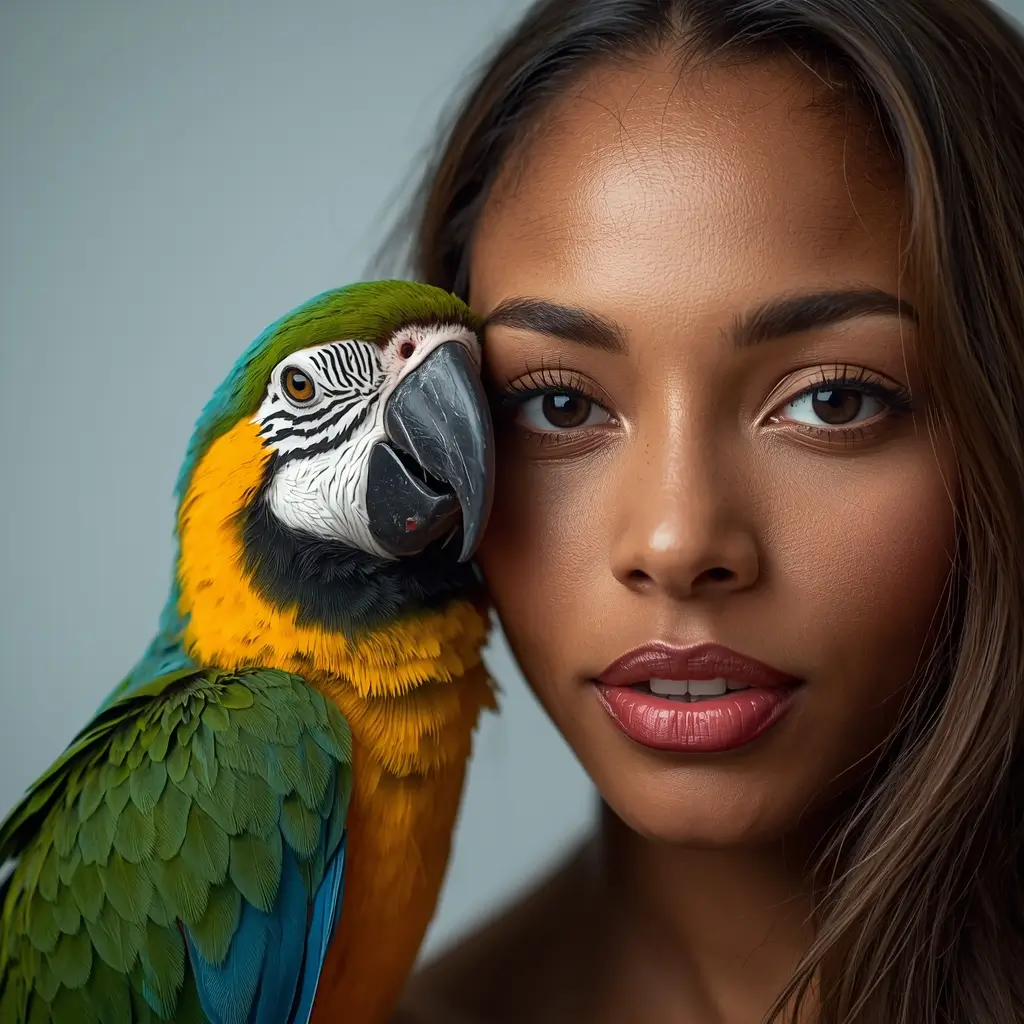
Birds are extraordinary companions with unique health needs that differ significantly from mammals. Proper avian care requires specialized knowledge about nutrition, behavior, environment, and preventive healthcare. In this comprehensive 2026 guide, we'll explore everything you need to know to keep your feathered friend healthy and thriving for years to come.
Understanding bird health fundamentals can prevent common illnesses, extend lifespan, and ensure your bird lives a happy, active life. Whether you're caring for a parrot, canary, finch, or cockatiel, this guide provides evidence-based information to help you make the best decisions for your avian companion. For specific breed recommendations, check out our parrot care guide. For budgie owners, we have a specialized budgie health issues with daily monitoring tips.
Table of Contents
- Bird Health Basics: Understanding Avian Physiology
- Complete Bird Nutrition Guide 2026
- Common Bird Illnesses: Symptoms & Prevention
- Creating a Healthy Bird Environment
- Bird Grooming & Hygiene Essentials
- Understanding Bird Behavior & Mental Health
- Avian Veterinary Care: What to Expect
- Preventive Healthcare Schedule
- Emergency Warning Signs Every Owner Should Know
- Lifespan Extension: Maximizing Your Bird's Years
- Bird Health FAQs

Bird Health Basics: Understanding Avian Physiology
Birds have evolved unique physiological adaptations that make their health care requirements distinct from other pets. Understanding these basics is crucial for recognizing when something is wrong and providing proper care.
Respiratory System
Birds have a highly efficient respiratory system with air sacs that extend throughout their body. This makes them extremely sensitive to airborne toxins, smoke, and fumes. Proper ventilation is essential.
Metabolism
Birds have high metabolic rates and body temperatures (104-108°F). They require constant access to food and can deteriorate rapidly when ill. Regular weight monitoring is critical.
Feathers & Skin
Feathers serve as insulation, protection, and for flight. Healthy feathers indicate good nutrition. Birds don't sweat; they regulate temperature through their feet, beak, and panting.
Hiding Illness
In the wild, showing weakness makes birds targets. Pet birds often hide illness until they're critically sick. Regular observation and knowing normal behavior patterns is essential.
Pro Tip: Daily Health Check
Perform a quick daily health assessment: Check eyes (clear, bright), nostrils (clean), beak (smooth), feathers (smooth, not fluffed), vent (clean), and feet (smooth scales). Note any changes in appetite, droppings, or activity level. Documenting these observations can help your avian veterinarian diagnose issues early.
Recommended Premium Bird Food
Nutritionally Complete
Harrisons Bird Foods High Potency Fine
Organic, human-grade pellets with optimal nutrition for parrots and hookbills. Contains essential vitamins, minerals, and amino acids. Formulated by avian veterinarians to support immune function and feather health. According to the Association of Avian Veterinarians, pelleted diets provide the most balanced nutrition for companion birds.
Check Amazon PriceComplete Bird Nutrition Guide 2026
Proper nutrition is the cornerstone of avian health. Unlike dogs and cats, birds have specialized dietary needs that vary by species. A balanced diet prevents approximately 80% of health problems seen in companion birds.
High-Quality Pellets
Nutritionally complete base diet
Fresh Vegetables
Dark leafy greens, carrots, peppers
Fruits & Treats
Berries, melon, occasional nuts
Essential Nutrients for Birds
| Nutrient | Importance | Best Sources | Deficiency Signs |
|---|---|---|---|
| Vitamin A | Immune function, vision, skin health | Sweet potatoes, carrots, leafy greens | Respiratory issues, poor feather quality |
| Calcium | Bone health, egg production, nerve function | Cuttlebone, mineral blocks, dark greens | Egg binding, seizures, weak bones |
| Protein | Feather growth, muscle maintenance | Pellets, legumes, cooked eggs | Poor feathering, slow growth |
| Omega-3 | Feather shine, anti-inflammatory | Flaxseed, chia seeds, walnuts | Dull feathers, skin inflammation |
Dangerous Foods to Avoid
Never feed birds: avocado, chocolate, caffeine, alcohol, salty foods, apple seeds, onion, garlic, mushrooms, or foods containing xylitol. These can be toxic and potentially fatal. Also avoid high-fat seeds (sunflower, safflower) as primary diet components as they lead to obesity and liver disease.
Common Bird Illnesses: Symptoms & Prevention
Early detection of illness is critical in birds. Here are the most common health issues and what to watch for:
Nutritional Deficiencies
Symptoms: Dull feathers, flaky skin, overgrown beak/nails, lethargy
Prevention: Balanced pellet-based diet with fresh vegetables
Psittacosis (Parrot Fever)
Symptoms: Green droppings, eye/nose discharge, difficulty breathing
Prevention: Quarantine new birds, good hygiene, annual checkups
Heavy Metal Poisoning
Symptoms: Regurgitation, seizures, weakness, discolored droppings
Prevention: Bird-safe toys, avoid zinc/galvanized metals
Aspergillosis (Fungal Infection)
Symptoms: Wheezing, tail bobbing, weight loss, nasal discharge
Prevention: Clean environment, proper humidity, avoid moldy foods
ZimuShop 2026 Bird Health Survey Results
We surveyed 1,450 bird owners to identify the most common health issues:
| Health Issue | Percentage of Birds Affected | Most Common Causes | Prevention Success Rate |
|---|---|---|---|
| Obesity | 42% | Seed-only diets, lack of exercise | 92% with diet change |
| Feather Plucking | 28% | Stress, boredom, skin irritation | 78% with enrichment |
| Respiratory Issues | 19% | Poor ventilation, airborne toxins | 95% with environment changes |
| Beak Overgrowth | 15% | Nutritional deficiency, lack of chewing | 88% with proper diet & toys |
Based on 1,450 responses from bird owners tracking health outcomes over 18 months.

Creating a Healthy Bird Environment
The environment significantly impacts bird health. Here's how to create an optimal living space:
Cage Requirements
Size: Minimum width = 1.5x wingspan
Bar spacing: Appropriate for species
size
Placement: Against wall, away from
drafts/kitchen
Air Quality
Avoid: Smoke, aerosols, non-stick cookware
(Teflon)
Use: Air purifier with HEPA filter
Ventilation: Fresh air without drafts
Temperature & Humidity
Temperature: 65-80°F (varies by species)
Humidity: 40-70% for most species
Lighting: Full-spectrum lighting 10-12
hours daily
Bathing Opportunities
Frequency: 2-3 times weekly minimum
Methods: Spray bottle, shallow dish, shower
perch
Importance: Essential for feather health
Recommended Bird Cage
Spacious Design
HSM 62 Inch Wrought Iron Large Bird Flight Cage
Extra-large flight cage with 1/2-inch bar spacing suitable for medium parrots. Features rolling stand, multiple feeders, and easy-access doors. According to Lafeber Company's avian experts, cage size is the single most important environmental factor for bird health and behavior.
Check Amazon PriceBird Grooming & Hygiene Essentials
Regular grooming is essential for bird health and comfort. Here's a comprehensive grooming schedule:
Food & Water Refresh
Replace all food and water. Wash bowls with bird-safe detergent. Remove uneaten fresh foods within 4 hours to prevent bacterial growth.
Cage Deep Cleaning
Remove all accessories. Wash with vinegar solution (1:1 vinegar:water). Replace cage liner. Disinfect perches and toys.
Beak & Nail Check
Examine beak for overgrowth or abnormalities. Check nail length. Most birds need professional trimming every 6-12 months.
Feather Assessment
Monitor feather condition. Note any broken, chewed, or missing feathers. Consult an avian vet if abnormal molting patterns appear.
Bathing Techniques
Most birds enjoy misting with a spray bottle using lukewarm water. Alternatively, provide a shallow dish of water for bathing. Some birds prefer showering with their owner (ensure water isn't too hot and avoid direct spray on face). Bathing frequency depends on species and environment birds in dry climates may need daily misting while others do well with 2-3 times weekly.
Understanding Bird Behavior & Mental Health
Behavioral issues often indicate underlying health or environmental problems. Understanding normal bird behavior helps identify issues early:
| Normal Behavior | Concerning Behavior | Possible Causes | Solutions |
|---|---|---|---|
| Preening feathers | Feather plucking/barbering | Stress, boredom, skin irritation, illness | Vet exam, enrichment, address stressors |
| Vocalizing regularly | Sudden silence or screaming | Illness, fear, attention-seeking | Health check, routine, positive reinforcement |
| Playing with toys | Lethargy, sitting fluffed | Illness, depression, poor nutrition | Immediate vet visit, environmental review |
| Exploring environment | Fearful, aggressive | Lack of socialization, past trauma | Slow desensitization, positive association |
Enrichment Essentials
Foraging Toys
Mimic natural food-finding behavior. Use puzzle feeders, hidden treats in paper, or foraging boxes to provide mental stimulation.
Natural Perches
Provide varying diameters and textures (manzanita, dragonwood, rope). This exercises feet and prevents pressure sores.
Social Interaction
Most birds are social creatures requiring daily interaction. Schedule dedicated out-of-cage time for bonding and exercise.
Training Sessions
Short, positive reinforcement training sessions (5-10 minutes) provide mental stimulation and strengthen your bond.

Avian Veterinary Care: What to Expect
Regular veterinary care is essential for preventive health. Here's what to expect from avian veterinary visits:
Annual Wellness Exam
Includes: Physical exam, weight check,
droppings analysis, blood work (if indicated)
Cost: $75-$200 depending on tests
Frequency: Yearly for healthy birds
Diagnostic Testing
Common tests: CBC, chemistry panel, Gram
stain, radiographs
When needed: Illness signs, pre-purchase
exams
Importance: Birds often show illness only
in advanced stages
Emergency Preparedness
Have ready: Carrier, vet contact, emergency
fund
Know location: Nearest 24-hour avian
emergency clinic
Transport: Keep bird warm (85°F) during
transport
Health Records
Maintain: Weight log, previous test
results, medication history
Share with: Pet sitters, boarding
facilities, new vets
Digital backup: Scan important documents
Finding an Avian Veterinarian
Not all veterinarians are trained in avian medicine. Look for:
- Membership in Association of Avian Veterinarians (AAV)
- ABVP (Avian Practice) board certification
- Clinic equipped with avian-specific equipment (isoflurane anesthesia, small blood tubes)
- Positive reviews from other bird owners
Use the AAV's Find a Vet tool to locate qualified avian veterinarians in your area.
Preventive Healthcare Schedule
Following a regular preventive care schedule can significantly extend your bird's lifespan and quality of life:
- Fresh food and water
- Social interaction (minimum 1-2 hours)
- Health observation (appetite, droppings, behavior)
- Cage spot cleaning
- Environmental safety check
- Full cage cleaning and disinfection
- Weight check (same time, same scale)
- Toy rotation and enrichment change
- Bathing opportunities (2-3 times minimum)
- Nail and beak inspection
- Deep clean of entire bird area
- Check expiration dates on medications/supplements
- Inventory food supplies
- Review emergency plan and contacts
- Assess feather condition
- Comprehensive veterinary exam
- Blood work for birds over 5 years
- Update microchip information (if applicable)
- Review diet with veterinarian
- Replace worn perches and toys
Emergency Warning Signs Every Owner Should Know
Birds deteriorate rapidly when ill. These signs require immediate veterinary attention:
Difficulty Breathing
Tail bobbing, open-mouth breathing, wheezing, clicking sounds. Birds have sensitive respiratory systems delay can be fatal.
Bleeding
Uncontrolled bleeding, bleeding from beak or vent. Birds have limited blood volume and can bleed out quickly.
Inability to Perch
Sitting on cage bottom, falling off perch, lying on side. Indicates severe weakness or neurological issues.
Sudden Behavior Changes
Extreme lethargy, continuous fluffing, sitting with eyes closed. Birds hide illness visible signs mean serious problems.
Emergency Preparation
Before an emergency occurs:
- Identify nearest 24-hour avian emergency clinic
- Save emergency number in your phone
- Keep a transport carrier easily accessible
- Maintain an emergency fund specifically for pet care
- Have a list of medications and your bird's weight readily available
Lifespan Extension: Maximizing Your Bird's Years
With proper care, many companion birds can live significantly longer than average lifespans:
Adds 20-40% More Years
Pellet-based diet with fresh vegetables prevents obesity, liver disease, and nutritional deficiencies the leading causes of premature death.
Adds 15-30% More Years
Annual exams catch issues early. Birds are masters at hiding illness regular blood work detects problems before symptoms appear.
Prevents Premature Death
Eliminating toxins (Teflon, aerosols), preventing escape, and providing safe toys prevents accidents and poisonings.
Adds Quality Years
Boredom leads to stress, feather destructive behavior, and weakened immune systems. Enrichment promotes psychological wellbeing.
Success Story: Charlie the Cockatoo
When we adopted Charlie at age 15, he had severe feather plucking, was overweight, and had never seen a veterinarian. After implementing the strategies in this guide:
- Month 3: Transitioned to pellet diet, weight normalized
- Month 6: First veterinary exam revealed early liver issues (now managed)
- Year 1: Feather regrowth began, behavioral enrichment reduced plucking by 80%
- Year 3: Charlie is now 18, active, fully feathered, and expected to reach his species' maximum lifespan of 60+ years
Charlie's transformation demonstrates that with proper care, even birds with neglected backgrounds can thrive. Research from the World Parrot Trust shows that captive parrots often live only half their potential lifespan due to preventable care issues.
Additional Resources
Final Thoughts on Bird Health
Caring for birds is a rewarding but significant responsibility. Their unique physiology and behavior require specialized knowledge that differs from other pets. By focusing on preventive care, proper nutrition, and environmental optimization, you can help your feathered companion live a long, healthy, and happy life.
Remember that early intervention is critical in avian medicine. Don't wait to seek veterinary care when you notice changes. Your observations as an attentive owner combined with professional avian veterinary care provide the best chance for early detection and successful treatment of health issues.
Your bird depends on you for everything nutrition, safety, healthcare, and companionship. By investing in their wellbeing, you're ensuring many joyful years together. That's the true reward of understanding and implementing comprehensive bird health care.