Proper aquarium care is the foundation of a thriving aquatic ecosystem. Whether you're a beginner setting up your first tank or an experienced aquarist looking to optimize your aquarium maintenance routine, this comprehensive 2026 guide covers everything you need to know about aquarium care for healthy fish and vibrant tanks.
Maintaining an aquarium involves more than just feeding fish. It requires understanding water chemistry, filtration systems, lighting requirements, and biological balance. In this guide, we'll explore the essential aspects of aquarium care that can mean the difference between a struggling tank and a spectacular underwater world. For specific equipment recommendations, check out our complete filter selection guide. For beginners, see our step-by-step first aquarium setup guide.
Table of Contents
- Water Quality: The Foundation of Aquarium Care
- Aquarium Filtration System Essentials
- Weekly & Monthly Maintenance Schedule
- Fish Health: Signs of a Healthy Aquarium
- Essential Aquarium Equipment Guide
- Aquarium Plant Care and Maintenance
- Common Aquarium Problems and Solutions
- Seasonal Aquarium Care Adjustments
- 2026 Aquarium Care Trends and Innovations
- Frequently Asked Questions

Water Quality: The Foundation of Aquarium Care
Water quality is the single most important factor in aquarium care. Fish live, breathe, eat, and excrete in the same water, making water parameters critical to their health and longevity. Understanding and maintaining proper water chemistry is essential for successful aquarium keeping.
The key water parameters to monitor regularly include:
| Parameter | Freshwater Optimal Range | Saltwater Optimal Range | Testing Frequency | Importance |
|---|---|---|---|---|
| pH Level | 6.5-7.5 | 8.0-8.4 | Weekly | Affects fish metabolism and biological processes |
| Ammonia (NH₃) | 0 ppm | 0 ppm | Weekly | Toxic to fish even at low levels; indicates cycling issues |
| Nitrite (NO₂) | 0 ppm | 0 ppm | Weekly | Interferes with oxygen transport in blood |
| Nitrate (NO₃) | < 40 ppm | < 20 ppm | Weekly | High levels cause stress and algae growth |
| General Hardness (GH) | 4-8 dGH | 8-12 dGH | Monthly | Affects osmotic regulation and mineral availability |
| Carbonate Hardness (KH) | 4-8 dKH | 8-12 dKH | Monthly | Buffering capacity that stabilizes pH |
| Temperature | 72-78°F (22-26°C) | 75-80°F (24-27°C) | Daily | Affects metabolism, oxygen levels, and disease resistance |
Water Testing Tip
Always test aquarium water at the same time of day and under similar conditions for consistent results. Keep a log of your test results to identify trends and catch problems early. For advanced water testing, consider our complete water testing protocol which includes parameters like phosphate, iron, and copper.
The Nitrogen Cycle Explained
Understanding the nitrogen cycle is crucial for proper aquarium care. This biological process converts toxic fish waste into less harmful substances:
Ammonia Production
Fish waste, uneaten food, and decaying plant matter produce ammonia (NH₃), which is highly toxic to fish even at low concentrations (0.25 ppm).
Nitrite Conversion
Beneficial Nitrosomonas bacteria convert ammonia to nitrite (NO₂), which is also toxic and interferes with fish's ability to transport oxygen.
Nitrate Conversion
Nitrobacter bacteria convert nitrite to nitrate (NO₃), which is less toxic and can be managed through water changes and plant uptake.
Nitrate Removal
Regular water changes (10-25% weekly), live plants, and specialized filter media remove nitrates, completing the cycle.
Essential Aquarium Testing Kit
Best Seller
API Freshwater Master Test Kit
Comprehensive testing kit for freshwater aquariums. Tests for pH, ammonia, nitrite, nitrate, and high range pH. Includes color chart and instruction booklet. Saltwater aquariums require different testing parameters. See our marine aquarium testing guide for proper reef tank maintenance.
Check Amazon PriceAquarium Filtration System Essentials
A proper filtration system is the heart of effective aquarium care. Modern aquarium filters perform three essential functions: mechanical, chemical, and biological filtration. Understanding these components will help you choose and maintain the right filter for your aquarium.
Mechanical Filtration
Removes physical debris from the water. This includes fish waste, uneaten food, and plant debris. Materials include filter floss, sponges, and pads. Requires regular cleaning (rinse in tank water, not tap water) to prevent clogging.
Chemical Filtration
Removes dissolved impurities through chemical processes. Activated carbon is most common, removing medications, tannins, and odors. Other options include phosphate removers, ion exchange resins, and specialized chemical media.
Biological Filtration
Houses beneficial bacteria that process nitrogenous waste. Bio-media like ceramic rings, bio-balls, and porous stones provide surface area for bacteria colonization. Never replace all biological media at once to preserve bacteria colonies.
Filter Types Comparison
| Filter Type | Best For | Pros | Cons | Maintenance Level |
|---|---|---|---|---|
| Hang-on-Back (HOB) | Beginner to intermediate freshwater | Easy maintenance, good flow, affordable | Limited media capacity, can be noisy | Low to Medium |
| Canister Filter | Advanced freshwater & planted tanks | High capacity, customizable media, quiet | Expensive, complex maintenance | Medium to High |
| Sponge Filter | Breeding tanks, hospital tanks | Excellent biological filtration, gentle flow | Poor mechanical filtration, visible in tank | Low |
| Sump System | Large aquariums, reef tanks | Massive filtration capacity, hides equipment | Complex setup, requires additional space | High |
| Internal Filter | Small tanks, quarantine setups | Simple, affordable, easy to install | Takes up tank space, limited capacity | Low |
Advanced Canister Filter
Editor's Choice
Fluval FX6 High Performance Canister Filter
High-performance filter for aquariums up to 400 gallons. Features self-priming, smart pump technology, and multi-stage filtration. Includes mechanical, chemical, and biological media. According to the Aquarium Co-op, proper filtration is the most important investment for aquarium health.
Check Amazon PriceWeekly & Monthly Maintenance Schedule
Consistent maintenance is key to successful aquarium care. Following a regular schedule prevents problems before they start and reduces stress on both fish and aquarist. Here's our recommended maintenance schedule based on 2026 best practices:
Comprehensive Aquarium Maintenance Schedule
| Task | Frequency | Details | Time Required |
|---|---|---|---|
| Water Testing | Weekly | Test pH, ammonia, nitrite, nitrate, temperature | 15 minutes |
| Partial Water Change | Weekly (10-25%) | Use water conditioner, match temperature | 30-60 minutes |
| Filter Maintenance | Every 2-4 weeks | Rinse media in tank water, replace chemical media monthly | 20 minutes |
| Gravel Vacuuming | Weekly during water changes | Remove debris from substrate, focus on high-waste areas | 20-30 minutes |
| Glass Cleaning | Weekly | Clean inside glass with algae scraper or magnet cleaner | 10 minutes |
| Equipment Check | Weekly | Verify heater, filter, lights, air pumps are functioning | 5 minutes |
| Plant Maintenance | Weekly/Bi-weekly | Trim dead leaves, fertilize, prune overgrowth | 15-30 minutes |
| Filter Media Replacement | Monthly/As needed | Replace chemical media, rinse biological media | 15 minutes |
| Full System Check | Monthly | Inspect seals, check for leaks, clean equipment | 30 minutes |
| Light Bulb Replacement | Every 6-12 months | LEDs last longer, replace when intensity decreases | 10 minutes |
Maintenance Pro Tip
Create a maintenance log to track your aquarium care activities. Note water parameters, maintenance tasks performed, and any observations about fish behavior or appearance. This historical data is invaluable for troubleshooting problems and understanding your aquarium's unique patterns. Download our free printable maintenance log template.

Fish Health: Signs of a Healthy Aquarium
Healthy fish are the ultimate indicator of proper aquarium care. By learning to recognize signs of health and distress, you can quickly address issues before they become serious problems.
Signs of Healthy Fish
Clear eyes, intact fins, vibrant colors, active swimming, good appetite, normal breathing rate, social behavior, and regular waste production.
Early Warning Signs
Clamped fins, loss of color, rapid gill movement, hiding excessively, loss of appetite, scratching on surfaces, and unusual swimming patterns.
Common Diseases
Ich (white spots), fin rot, velvet, dropsy, swim bladder issues, fungal infections, and parasitic infestations. Early treatment is crucial.
Prevention Strategies
Quarantine new fish, maintain stable water parameters, provide proper nutrition, avoid overcrowding, and perform regular maintenance.
Case Study: Community Tank Health Recovery
When a 55-gallon community tank experienced repeated disease outbreaks despite regular water changes, a comprehensive approach solved the issues:
- Week 1: Established quarantine protocol for all new fish (4-week minimum)
- Week 2: Implemented UV sterilizer to reduce pathogens in water column
- Week 3: Added supplemental filtration with additional biological media
- Month 1: Disease outbreaks reduced by 90%, fish coloration improved
- Month 3: No disease outbreaks, fish breeding observed naturally
This case demonstrates that sometimes aquarium care requires addressing underlying systemic issues rather than just treating symptoms. Recent research from the Fish Laboratory shows that UV sterilization can reduce disease transmission by up to 95%.
Quarantine Protocol Warning
Never skip quarantine for new fish, plants, or decor. A proper quarantine tank should be:
- Separate system: Completely independent from main tank
- Medicated: Treat with broad-spectrum medication as preventive measure
- Minimum 4 weeks: Many diseases have incubation periods of 2-3 weeks
- Fully cycled: Maintain biological filtration to handle waste
- Observed daily: Watch for any signs of illness or stress
This simple step prevents 90% of disease introductions to established aquariums.
Fish Health Supplement
Immune Support
Seachem StressGuard Water Conditioner
Detoxifies ammonia, nitrite, and nitrate while reducing fish stress. Contains slime coat promoters and wound healing agents. Essential for quarantine tanks, after transport, and during treatment. Research from the Seachem Laboratories shows that stress reduction improves disease resistance by 60%.
Check Amazon PriceEssential Aquarium Equipment Guide
Proper equipment is essential for effective aquarium care. While needs vary by tank type and size, certain equipment is fundamental to all aquarium setups. Here's what you need for a successful aquarium:
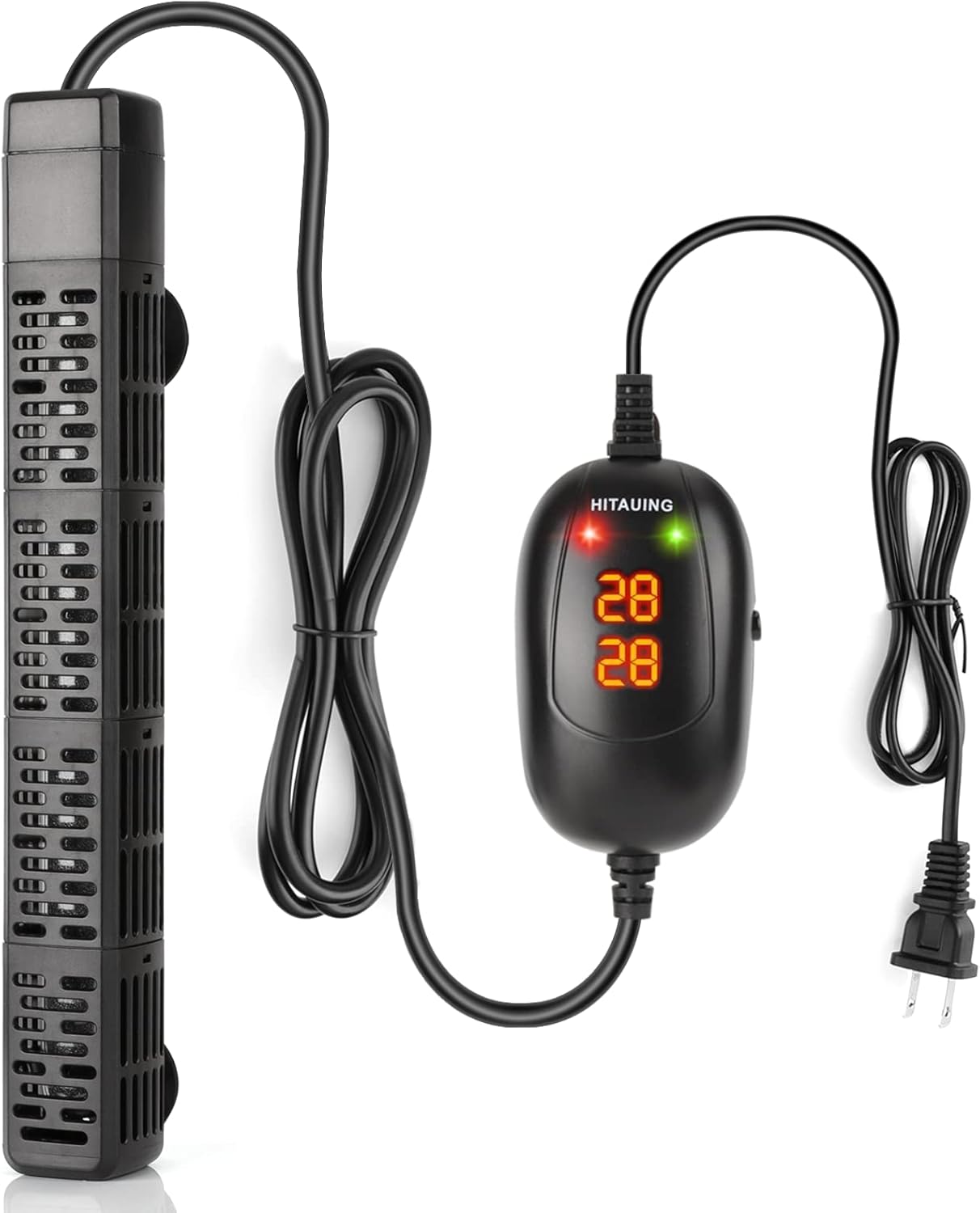
Heater & Thermometer
Maintains stable temperature. Choose a heater with wattage appropriate for your tank size (3-5 watts per gallon). Always use an external thermometer to verify temperature, as heater thermostats can fail or be inaccurate.
Lighting System
Provides illumination and supports plant growth. LED lights are energy-efficient and long-lasting. For planted tanks, choose full-spectrum lights with appropriate intensity (PAR values). Use a timer for consistent photoperiod (6-10 hours daily).
Air Pump & Airstone
Increases oxygen exchange and surface agitation. Essential for tanks with high bioload or warm water (warm water holds less oxygen). Also creates water movement in areas with poor circulation.
Protein Skimmer (Marine)
Removes organic compounds before they break down. Essential for reef tanks and heavily stocked marine systems. Reduces nitrate/phosphate accumulation and improves water clarity.
Wave Maker/Flow Pump
Creates natural water movement. Important for reef tanks (corals need flow), planted tanks (prevents dead spots), and tanks with certain fish species that prefer current.
Auto Dosers & Controllers
Automates supplement dosing and parameter monitoring. Advanced equipment for precise control of calcium, alkalinity, trace elements, and monitoring of pH, temperature, and ORP.
30-Day Aquarium Setup Success Plan
- Choose appropriate tank location
- Purchase all essential equipment
- Rinse substrate and decor (no soap)
- Set up stand and place tank
- Begin water conditioning
- Install substrate and hardscape
- Add conditioned water
- Start filter and heater
- Begin fishless cycling process
- Test water parameters daily
- Add live plants (if using)
- Continue monitoring cycle progress
- Adjust lighting schedule
- Fine-tune equipment settings
- Perform first partial water change
- Confirm cycle completion (0 ammonia, 0 nitrite)
- Add first hardy fish (small group)
- Use proper acclimation procedure
- Monitor fish behavior closely
- Begin regular maintenance schedule

Aquarium Plant Care and Maintenance
Live plants transform aquariums from simple fish containers into complete ecosystems. Proper plant care enhances water quality, provides natural filtration, and creates a beautiful, natural environment for fish.
Lighting for Plants
Full-spectrum LED lights with appropriate intensity (PAR values). Low-light plants need 10-20 PAR, medium plants 20-40 PAR, high-light plants 40+ PAR. Consistent photoperiod of 6-8 hours daily using a timer.
Nutrient Supplementation
Macronutrients (NPK) and micronutrients (iron, manganese, etc.). Root tabs for rooted plants, liquid fertilizers for water column feeders. CO₂ injection dramatically improves growth for demanding plants.
Regular Pruning
Trim fast-growing plants weekly, slower growers monthly. Remove dead or yellowing leaves immediately. Propagate healthy cuttings to fill in spaces. Pruning encourages bushier growth and prevents shading.
CO₂ Systems
Injected CO₂ significantly improves plant growth. Essential for high-tech planted tanks. Options include pressurized systems (best), DIY yeast systems, and liquid carbon alternatives (less effective but easier).
Plant Care Tip: The Balance Equation
Successful planted aquariums follow the balance equation: Light + Nutrients + CO₂ = Plant Growth. Increasing one factor requires increasing the others to maintain balance and prevent algae outbreaks. For example, adding more light without adding nutrients or CO₂ will lead to algae problems rather than increased plant growth.
2026 Aquarium Care Trends and Innovations
The aquarium hobby continues to evolve with new technologies and approaches. Here are the trends shaping aquarium care in 2026:
Smart Aquarium Systems
Wi-Fi enabled controllers that monitor parameters, automate dosing, control lighting, and send alerts to your phone. Systems like Neptune Systems Apex and GHL ProfiLux dominate the high-end market.
Advanced LED Lighting
Programmable spectrums that mimic natural sunlight cycles, including sunrise, midday, sunset, and moonlight phases. Tunable color temperatures and intensity for different plant and coral needs.
Sustainable Practices
Increased focus on captive-bred fish and corals, sustainable collection practices, and energy-efficient equipment. Reef-safe sunscreens and environmentally friendly products gain popularity.
Specialized Microbiomes
Targeted probiotic supplements that establish specific beneficial bacteria colonies for different tank types (planted, reef, cichlid, etc.), improving nutrient processing and disease resistance.
Final Thoughts on Aquarium Care
Successful aquarium care combines science, art, and patience. The most beautiful, healthy aquariums result from consistent maintenance, observation, and gradual improvements. Remember that every aquarium is unique what works perfectly for one tank may need adjustment for another.
The key to long-term success is developing a sustainable maintenance routine that fits your schedule and enjoying the process. Whether you keep a simple betta tank or a complex reef system, the principles of good aquarium care remain the same: stable parameters, proper filtration, regular maintenance, and attentive observation.
Your aquarium is a living ecosystem that will continually teach you about balance, patience, and the beauty of the natural world. Embrace the learning process, and don't be discouraged by setbacks they're opportunities to improve your skills and understanding.